




Introduction
Last quarter, a logistics client of ours reached out in frustration: their newly purchased polyurethane rollers for conveyor systems were failing after just 8 weeks, causing unplanned downtime and $12,000 in replacement and repair costs. Upon investigation, we found the root cause was a simple yet costly mistake.They’d chosen rollers with a hardness of Shore A 90 for conveying fragile electronic components, leading to excessive wear and product damage. Unfortunately, this isn’t an isolated case. A 2024 industrial materials survey revealed that 60% of enterprises make critical errors when selecting polyurethane rollers, resulting in average annual losses of $25,000 per facility.
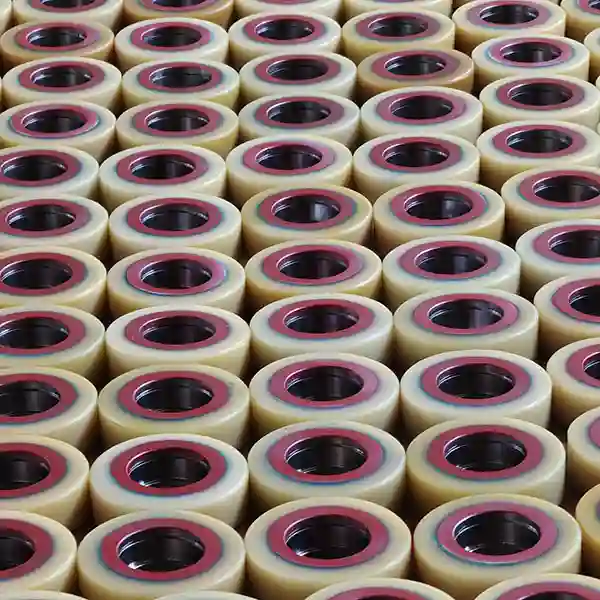
Polyurethane rollers are the workhorses of industrial operations, powering conveyors, AGVs, and mining equipment across logistics, manufacturing, and resource sectors. Their versatility, wear resistance, and customizability make them a top choice. In this guide, we’ll break down 7 of the most common mistakes buyers and engineers make when selecting polyurethane rollers, paired with actionable solutions to help you avoid costly missteps, extend roller service life by up to 3x, and optimize your operational efficiency. Whether you’re sourcing for a warehouse conveyor or a high-load mining application, these insights will ensure you get the most out of your custom cast polyurethane rollers.
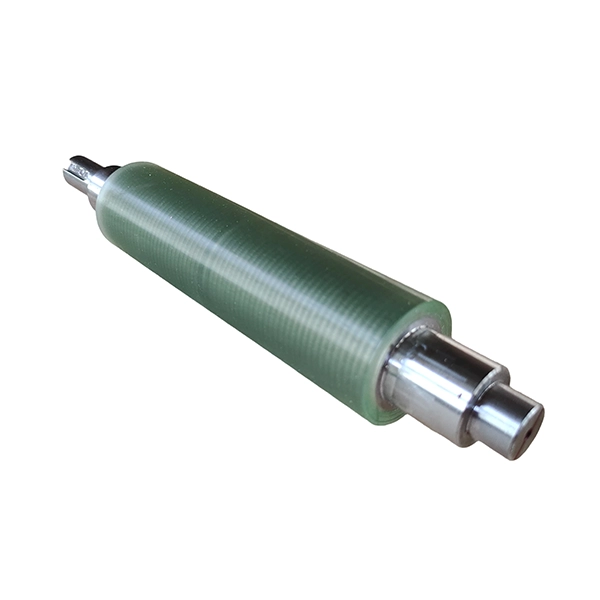
1. Mistake 1: Ignoring Hardness Matching (The #1 Cause of Premature Wear)
The key is to align roller hardness with your load, material being conveyed, and operational speed. Use this industry-proven guide to make the right choice:
- Shore A 60–70: Ideal for fragile goods (e.g., electronics, glass, food packaging) or applications requiring gentle handling. These rollers reduce product damage while maintaining sufficient grip.
- Shore A 75–85: The sweet spot for most general industrial conveyors, AGVs, and material handling equipment. Balances wear resistance and flexibility for medium loads (up to 5 tons).
- Shore A 85–95: Designed for heavy-duty applications like mining, construction, and high-load conveyor systems. These rollers withstand abrasion from rough materials (e.g., coal, gravel) and high pressure.
After switching to Shore A 65 custom cast polyurethane rollers, the food packaging client eliminated scratch defects entirely and extended roller service life from 3 months to 14 months.
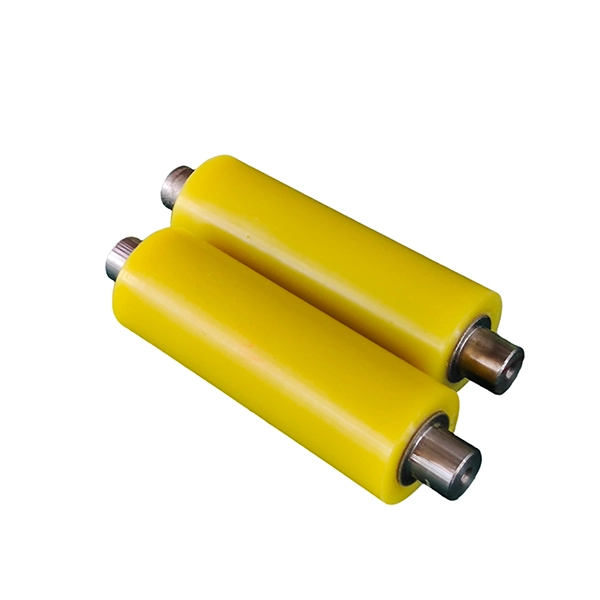
2. Mistake 2: Neglecting Environmental Adaptability (UV, Chemicals, and Temperature)
Another common error is selecting standard polyurethane rollers without accounting for the environment they’ll operate in. Outdoor or harsh industrial settings—such as mining sites, marine ports, or oil & gas facilities—expose rollers to UV radiation, saltwater, chemicals, and extreme temperatures. A mining client in Australia learned this the hard way: they installed non-UV-resistant polyurethane rollers on their outdoor conveyor lines, and within 3 months, the rollers began cracking, fading, and losing elasticity, leading to frequent jams and unplanned maintenance.
Solution: Choose Environmentally Tailored Formulations
Don’t settle for generic rollers—opt for custom cast polyurethane formulations engineered to withstand your specific environmental stressors:
- UV-Resistant Rollers: For outdoor applications (e.g., port conveyors, open-air warehouses), select rollers with UV stabilizers. These formulations retain 80% of their elasticity after 2,000 hours of direct sunlight exposure, compared to just 30% for standard rollers.
- Chemical-Resistant Rollers: For oil & gas, chemical processing, or food manufacturing (where cleaning agents are used), choose oil-resistant or chemical-resistant polyurethane. These rollers resist swelling, degradation, and discoloration when exposed to oils, solvents, or detergents.
- High/Low-Temperature Rollers: For extreme environments (e.g., freezers or foundries), select formulations that perform between -40°C to 120°C. Standard polyurethane becomes brittle in cold temperatures or softens in heat, but custom formulations maintain rigidity and grip.
The Australian mining client switched to our UV-resistant, Shore A 90 polyurethane rollers and saw their roller service life jump from 3 months to 2.5 years, cutting maintenance costs by 70%.
3. Mistake 3: Overlooking Size & Installation Compatibility
Many buyers focus solely on material properties and forget to verify that the rollers fit their existing equipment. A mismatch in shaft diameter, roller length, or mounting type can lead to loose fit, excessive vibration, or even equipment damage. For instance, a warehouse in the U.S. ordered polyurethane rollers with a 25mm shaft diameter, only to discover their conveyor system required 30mm shafts. This forced them to delay installation by 2 weeks while waiting for custom replacements, costing them $8,000 in lost productivity.
Solution: Follow a Custom Size Checklist Before Ordering
Before finalizing your order, confirm these critical dimensions with your equipment manual or maintenance team:
- Shaft Diameter: Measure the diameter of the roller shaft to ensure a tight, secure fit. Even a 2mm difference can cause wobbling.
- Roller Length & Diameter: Match the roller length to your conveyor belt width (add 50mm on each side for optimal alignment) and diameter to your operational speed (larger diameters reduce rotational speed for gentler handling).
- Mounting Type: Determine if you need surface-mounted, in-ground, or flange-mounted rollers. For AGVs or mobile equipment, lightweight, flange-mounted rollers are ideal for stability.
Working with a custom cast polyurethane roller manufacturer allows you to tailor these dimensions to your exact needs. We provide free size consultation to ensure compatibility, and our low MOQ (50 units) means you can order small batches to test fit before committing to bulk.
4. Mistake 4: Prioritizing Price Over Quality (The Hidden Cost of “Cheap” Rollers)
It’s tempting to opt for the lowest-priced polyurethane rollers to save upfront costs, but this often backfires. Low-cost rollers are typically made with low-grade polyurethane, subpar additives, and poor manufacturing processes—leading to premature wear, frequent replacements, and higher total cost of ownership (TCO). A construction company we advised initially chose budget polyurethane rollers for their concrete conveyor lines, which cost $15 per unit compared to our $22 per unit custom cast rollers. However, the budget rollers needed replacement every 2 months, while our rollers lasted 8 months.
Solution: Calculate TCO, Not Just Upfront Price
When evaluating costs, focus on total cost of ownership (TCO) rather than upfront price. TCO includes:
- Upfront purchase cost
- Replacement frequency
- Maintenance labor costs
- Downtime costs (the biggest hidden expense)
Using the construction company example:
- Budget Rollers: $15/unit × 6 replacements/year = $90/year + $500 downtime cost/year = $590/year
- Our Custom Cast Polyurethane Rollers: $22/unit × 1.5 replacements/year = $33/year + $100 downtime cost/year = $133/year
By investing in higher-quality custom cast polyurethane rollers, the company reduced their annual roller-related costs by 77%. Remember: the cheapest option rarely is the most cost-effective in the long run.
5. Mistake 5: Disregarding Formulation Customization (One Size Does Not Fit All)
Standard polyurethane rollers work for basic applications, but specialized scenarios require custom formulations. For example, an electronics manufacturer was using standard polyurethane rollers on their static-sensitive conveyor lines, leading to static buildup that damaged circuit boards. This resulted in a 10% defect rate and $10,000 in lost inventory.
Solution: Customize Formulations for Specialized Needs
Work with a manufacturer that offers custom polyurethane formulations to address your unique challenges:
- Anti-Static Rollers: For electronics, cleanrooms, or explosive environments, add carbon black or conductive additives to dissipate static electricity (surface resistance: 10⁶–10⁹ Ω).
- Flame-Retardant Rollers: For high-temperature or industrial settings with fire risks (e.g., foundries, chemical plants), choose UL 94 V-0 certified flame-retardant polyurethane.
- High-Grip Rollers: For inclined conveyors or slippery materials (e.g., wet cardboard), opt for textured surfaces or high-friction formulations to prevent load slippage.
After switching to our anti-static custom cast polyurethane rollers, the electronics manufacturer eliminated static-related defects entirely and improved production efficiency by 12%.
6. Mistake 6: Skipping Pre-Purchase Sample Testing
Ordering bulk polyurethane rollers without testing samples first is a risky move. Even if the specifications look correct on paper, real-world performance can vary based on your exact operational conditions. A logistics company in Europe made this mistake when ordering 500 standard polyurethane rollers for their AGV fleet, only to find that the rollers didn’t provide enough grip on their warehouse’s smooth concrete floors. This led to AGV slippage, delayed orders, and the need to reorder custom rollers, costing them $12,000 in wasted inventory and downtime.
Solution: Always Test Samples Before Bulk Ordering
Reputable custom cast polyurethane roller manufacturers will offer free or low-cost samples to test in your actual operational environment. Use these samples to verify:
- Grip and traction (especially critical for AGVs or inclined conveyors)
- Wear resistance (run samples for 1–2 weeks to check for signs of degradation)
- Compatibility with your equipment and materials
- Hardness and flexibility (ensure it meets your handling needs)
We provide 1–3 free custom samples for all potential clients, with the option to conduct accelerated wear testing to simulate 6 months of use in just 1 week. This ensures you’re 100% confident in your purchase before placing a bulk order.
7. Mistake 7: Ignoring After-Sales Support & Maintenance Guidance
Even the best polyurethane rollers will underperform without proper maintenance. Many buyers overlook after-sales support, assuming they can handle maintenance in-house—but without expert guidance, they may use incorrect cleaning agents, lubricants, or storage methods that shorten roller life. A manufacturing client in Canada was using harsh chemical cleaners on their polyurethane rollers, which caused the surface to degrade and crack prematurely. They didn’t realize the issue until they contacted our after-sales team for help.
Solution: Choose a Supplier With Comprehensive After-Sales Support
When selecting a polyurethane roller manufacturer, prioritize those that offer:
- Detailed maintenance guides (e.g., cleaning methods, lubrication schedules, storage best practices)
- Technical support (24/7 for urgent issues)
- Warranty coverage (we offer a 12-month warranty on all custom cast polyurethane rollers)
- Replacement parts and fast shipping (to minimize downtime)
After following our maintenance recommendations including using mild soap and water for cleaning and storing rollers in a cool, dry environment. The Canadian client extended their roller service life by 40%.
How to Avoid These Mistakes: A Step-by-Step Checklist
To ensure you select the right polyurethane rollers for your needs, follow this simple 4-step process:
- Clarify Your Requirements: Document your application (e.g., conveyor, AGV, mining), load weight, material being conveyed, environment (indoor/outdoor, temperature, chemicals), and equipment dimensions.
- Consult an Expert: Work with a custom cast polyurethane roller manufacturer to discuss your needs. They’ll help you select the right hardness, formulation, and size.
- Test Samples: Request free samples and test them in your actual operational environment. Verify performance, fit, and compatibility before placing a bulk order.
- Secure After-Sales Support: Sign a detailed contract that includes warranty terms, maintenance guidance, and technical support. This ensures you have help if issues arise.
Conclusion
Choosing the right polyurethane rollers isn’t just about picking a product—it’s about aligning your selection with your unique application, environment, and operational needs. By avoiding these 7 common mistakes, you can extend roller service life, reduce maintenance costs, and avoid costly downtime. Remember: the best polyurethane roller is not the cheapest or the hardest. It’s the one that’s custom-tailored to your business.
At PEPSEN, we specialize in custom cast polyurethane rollers for industrial applications. Our team of experts will work with you to understand your needs, provide free samples for testing, and deliver high-quality rollers that meet your exact specifications. We offer a 12-month warranty, 24/7 technical support, and low MOQ to make your sourcing process seamless. Contact us today to request your free sample and get a custom quote. Let’s help you avoid costly mistakes and optimize your operations.
FAQ
Do you offer agent opportunities for your polyurethane rollers?Yes! We welcome global agent partnerships with competitive margins, marketing support, and exclusive regional distribution rights. Contact our sales team for more details.
What is the ideal hardness for polyurethane rollers used in conveyor systems?It depends on your load and material: Shore A 60–70 for fragile goods, 75–85 for general use, and 85–95 for heavy loads. We can help you test the right hardness for your application.
Can you customize polyurethane rollers for high-temperature environments?Yes. Our high-temperature custom cast polyurethane rollers withstand up to 120°C, making them ideal for foundries, bakeries, and other high-heat applications.
How long does it take to receive custom polyurethane roller samples?Standard samples ship in 3–5 business days; fully custom samples (e.g., specific hardness, size, or formulation) take 7–10 days.
What after-sales support do you provide for bulk orders?We offer a 12-month warranty, detailed maintenance guides, 24/7 technical support, and fast replacement parts. For global clients, we have local agents to assist with installation.
What is the minimum order quantity (MOQ) for custom polyurethane rollers?Our MOQ is 50 units, which is ideal for small-batch testing or maintenance needs. We offer bulk discounts for orders over 500 units.