





News & Blog
-
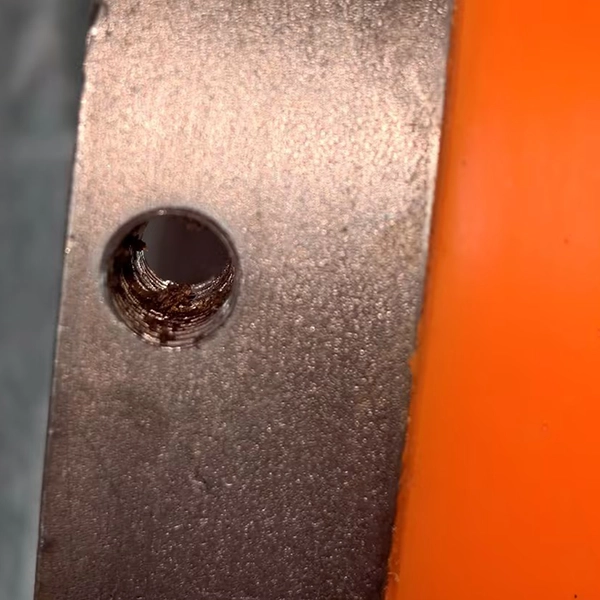
After-Sales Service for Custom Polyurethane Parts, Rollers and Wheels
Custom polyurethane products are made to meet specific requirements. A polyurethane roller may need to maintain its diameter and running surface. A wheel may need to fit an existing hub and perform under a particular load. A molded ...
Learn more2026-1022 -
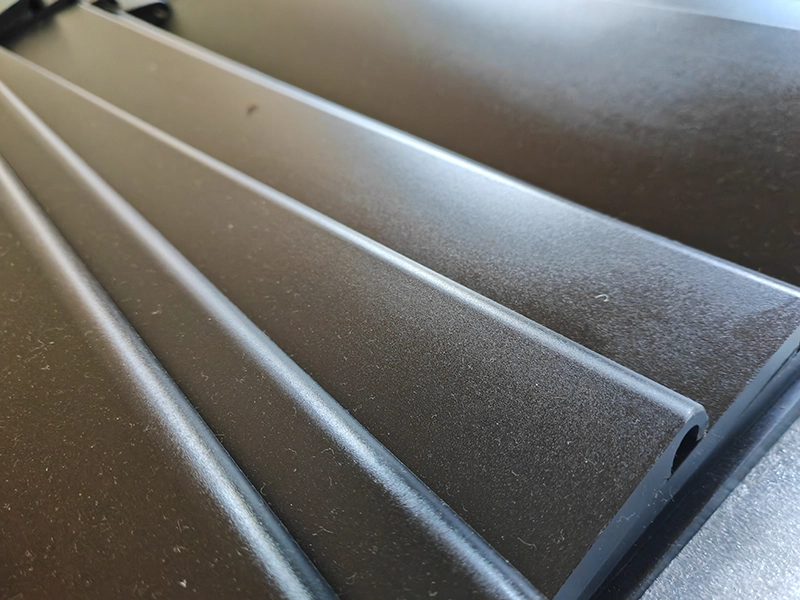
Custom Polyurethane Parts for Bus & Light Rail Articulation Systems: Solving Capacity, Anti-Slip Texture, and Mold Maintenance
A customer supplying articulation systems for new energy electric buses and light rail vehicles came to us with a custom molded polyurethane parts and strips project. The part itself was not particularly complicated in geometry....
Learn more2026-0916 -
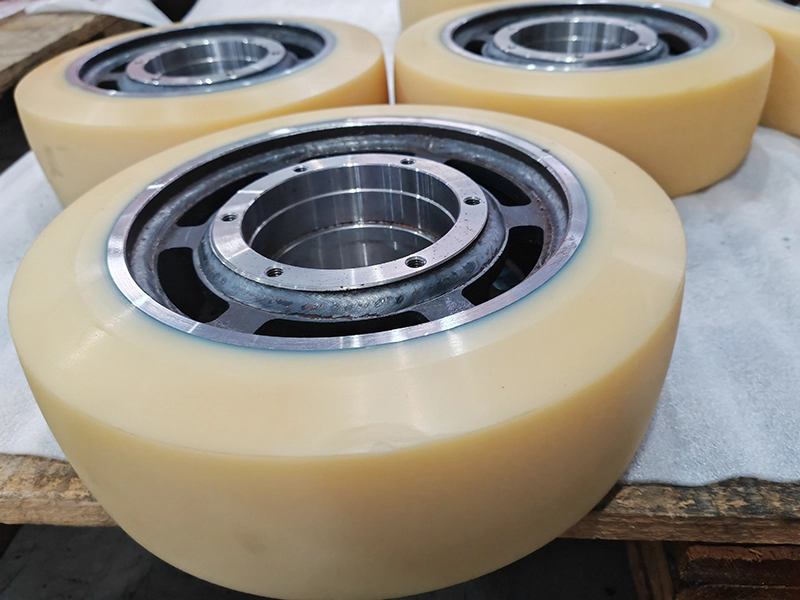
Baulé® Polyurethane Casting Machine for NDI & High-Performance Elastomer Production
High-performance cast polyurethane components are widely used in applications where wear resistance, dynamic load capability and long service life are critical. However, achieving stable performance requires more than selecting a suitab...
Learn more2026-0820 -
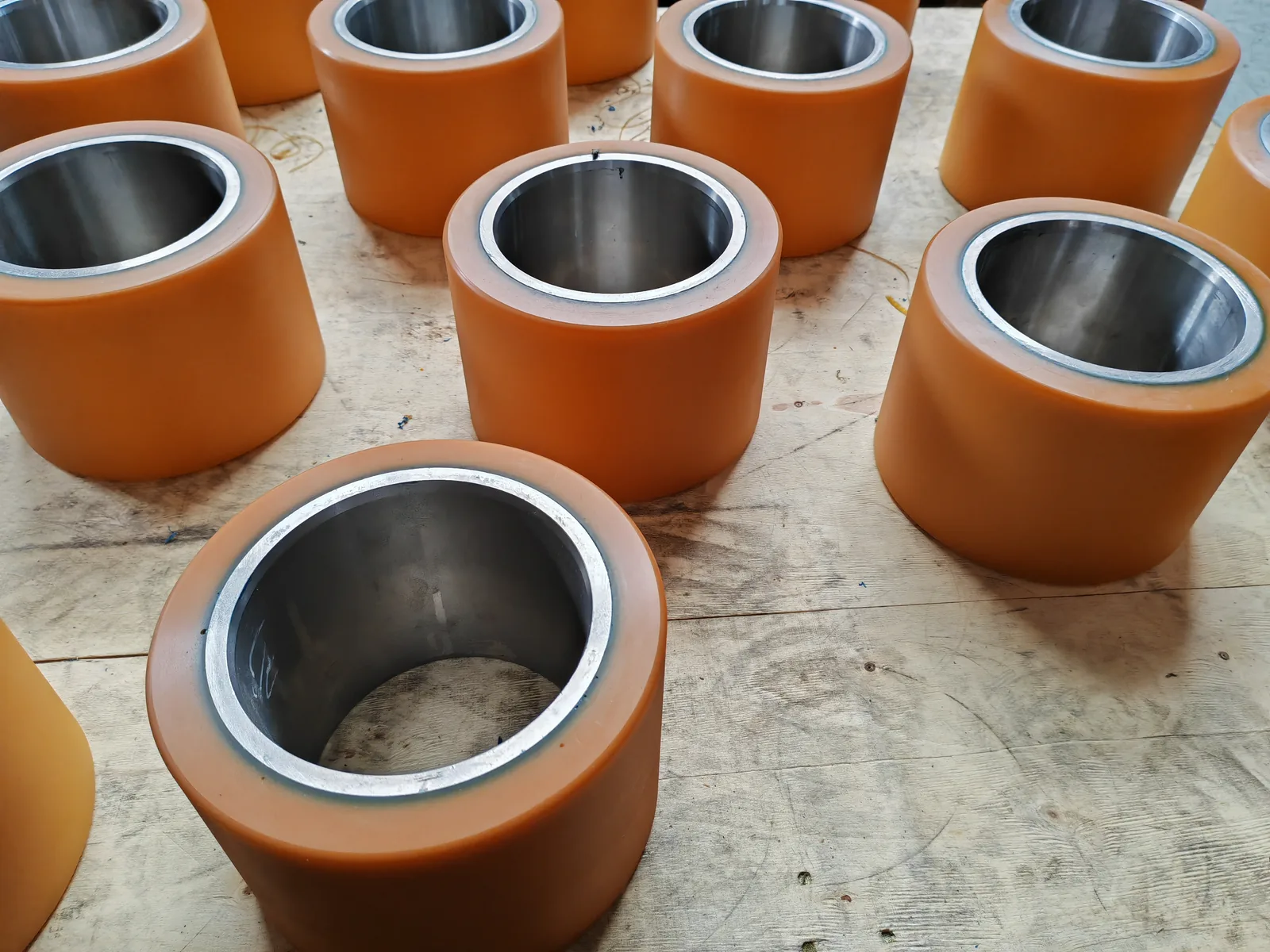
NDI Polyurethane Wheel Replacement for Heavy-Duty Port Equipment: A Field Validation Case
Heavy-duty port equipment places unusually high demands on load wheels. Quay cranes, rail-mounted gantry cranes and container AGVs operate under repeated high loads, frequent starts and stops, continuous rolling contact and demanding ...
Learn more2026-0807 -
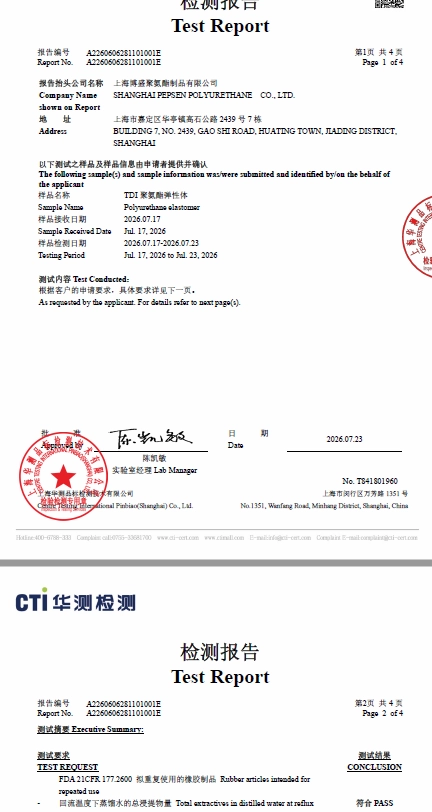
How TDI, MDI and NDI Polyurethane Formulations Affect FDA Compliant Cast Parts Performance?
When engineers select polyurethane components for food processing equipment, FDA compliance is only one part of the material decision. A successful FDA compliant polyurethane component must also maintain stable mechanical per...
Learn more2026-0804 -
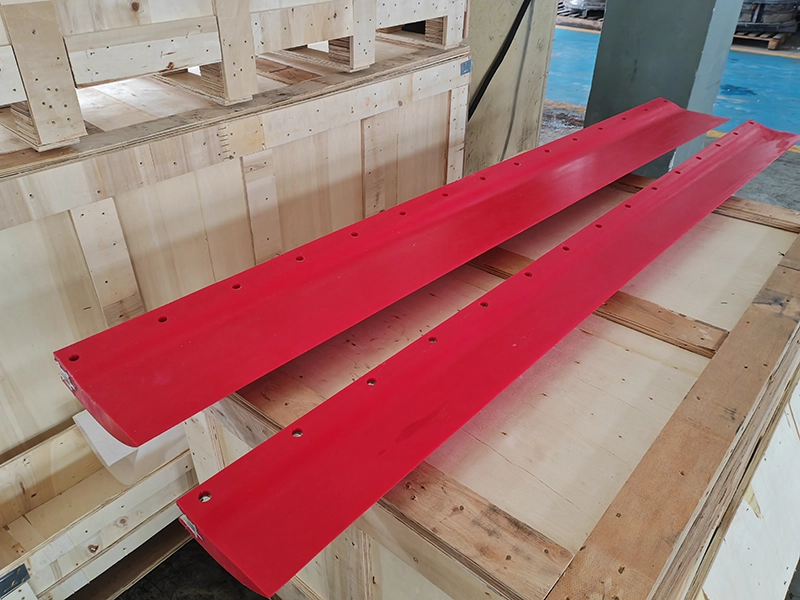
How We Developed a 2191.6 mm Polyurethane Conveyor Scraper
Replacing an established conveyor scraper blade requires more than matching dimensions or offering a lower unit price. This coal-conveyor project was treated as an engineering replacement program covering geometry, formulation, scale-up...
Learn more2026-0706