





News & Blog
-
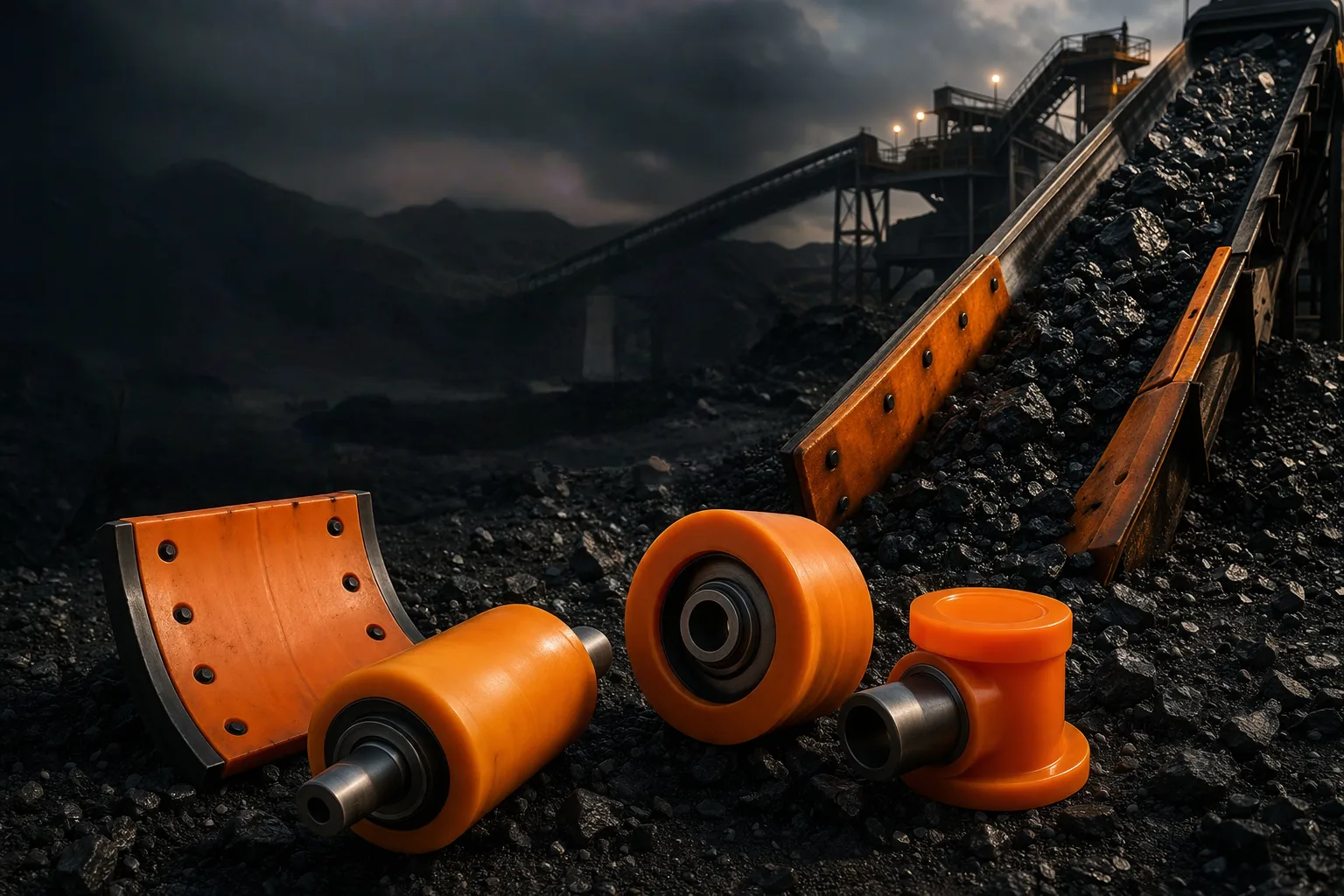
How to Choose Polyurethane for High Abrasion Mining Applications
Mining equipment works in one of the most punishing operating environments in industry. Sharp ore, sliding abrasion, slurry erosion, heavy impact loads, moisture, chemicals, and continuous duty can destroy poorly selected wear parts lon...
Learn more2026-0330 -
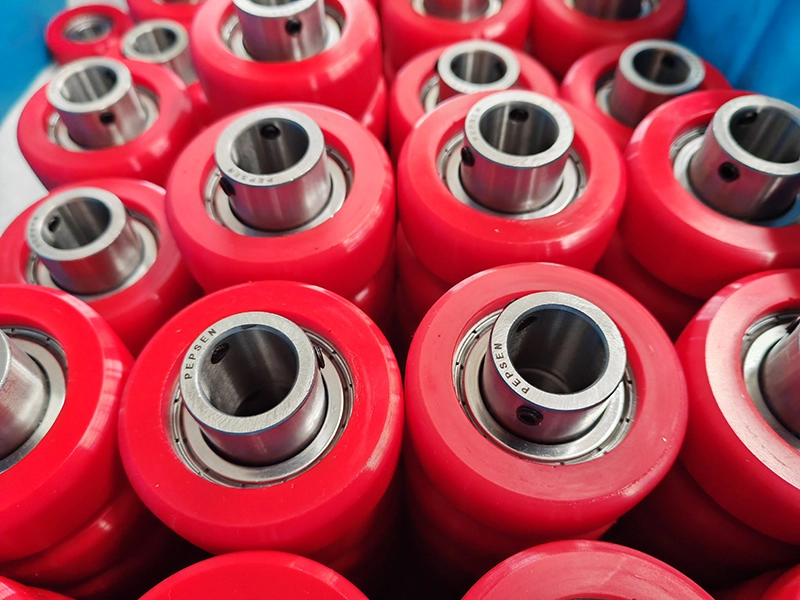
Cast Polyurethane vs. Injection-Molded TPU: Selection Guide
A failed polyurethane-covered conveyor roller does not prove that one molding process is universally unsuitable. Delamination, wear or seizure can involve material grade, core preparation, bonding, geometry, load, heat, contaminatio...
Learn more2026-0319 -
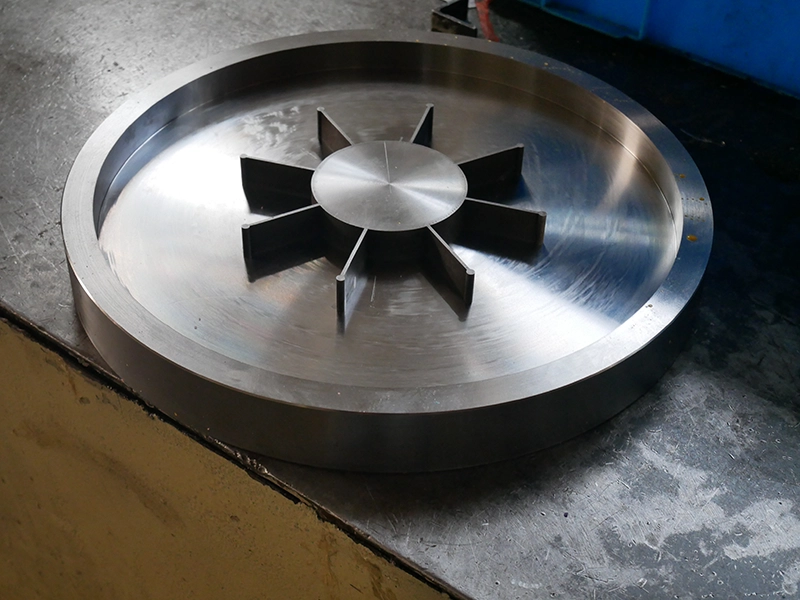
Polyurethane Molding Materials: Shore Hardness, Grades and Selection Guide
When engineers and procurement teams in mining, construction, and pipeline industries look for durable, long-lasting components, polyurethane molding materials often become the first choice. But with so many hardness grades, material ty...
Learn more2026-0312 -
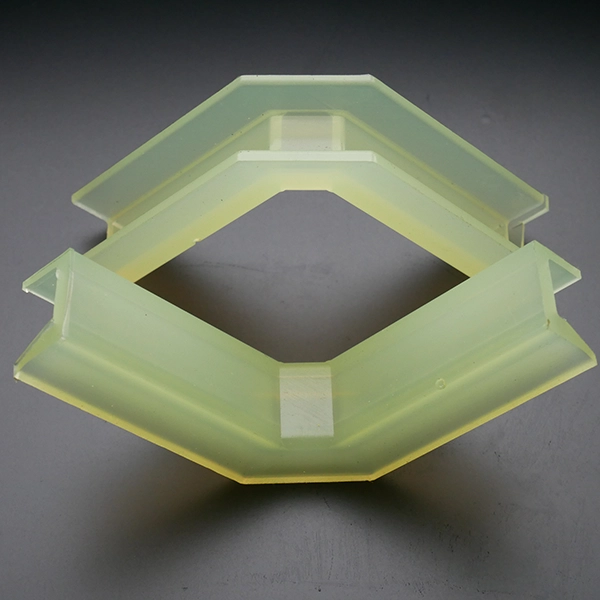
Polyurethane Molding 101: A Complete Guide for Designers and Engineers
If you work in engineering, product design, manufacturing, or procurement, you’ve almost certainly come across components made from polyurethane. From small vibration dampers and heavy-duty conveyor rollers to custom suspension part...
Learn more2026-0304 -
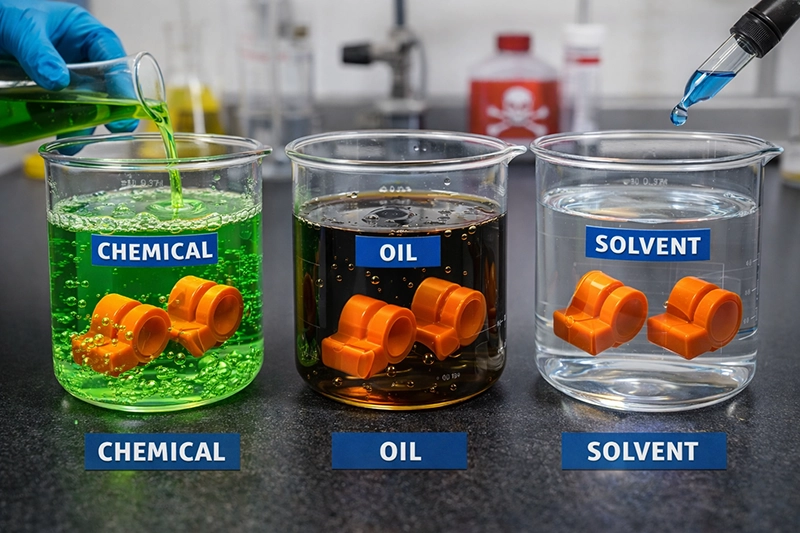
Cast Polyurethane Chemical, Oil, And Solvent Resistance Guide
When engineers and purchasing specialists evaluate materials for tough industrial environments, cast polyurethane often stands out for its unique combination of mechanical durability and resistance to chemicals, oils, and so...
Learn more2026-0203 -
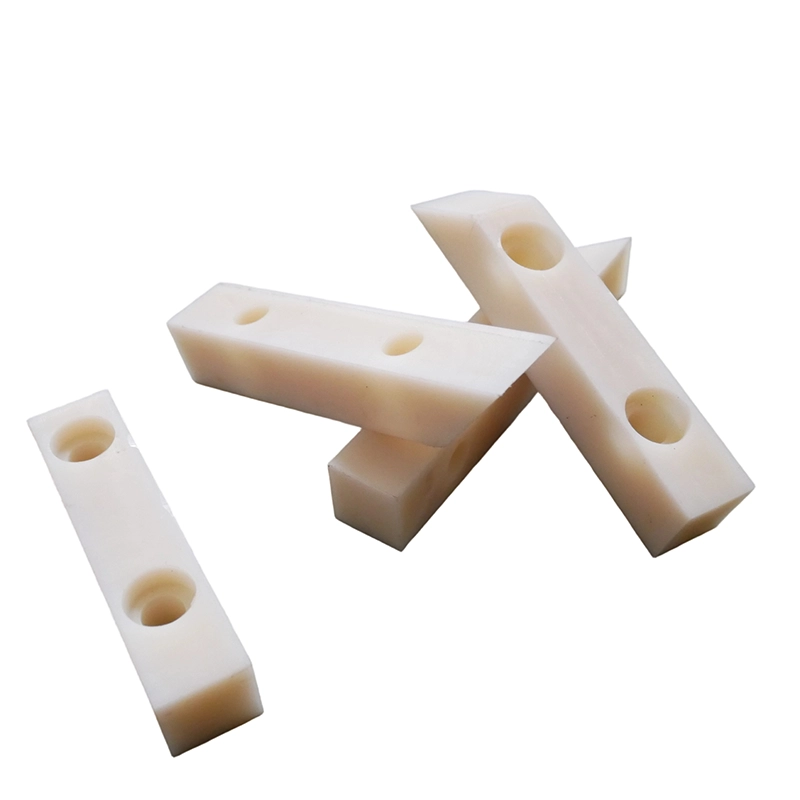
Extremely Abrasion-Resistant Polyurethane Rubber Formulas: Custom Cast Solutions for Mining & Logistics Applications
What Are Extremely Abrasion-Resistant Polyurethane Rubber Formulas? Extremely abrasion-resistant polyurethane rubber refers to custom cast polyurethane formulations engineered for extreme wear applications such as mining, qua...
Learn more2026-0122