

News & Blog
-
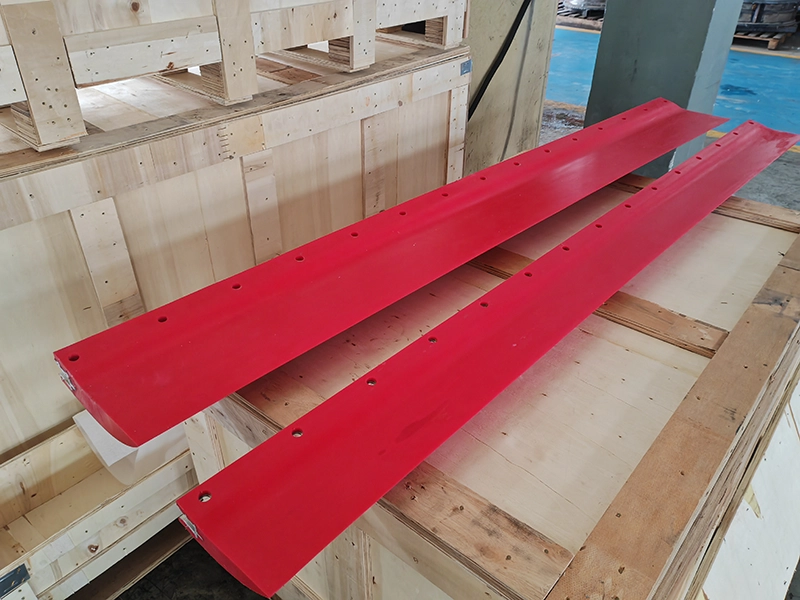
How We Developed a 2191.6 mm Polyurethane Conveyor Scraper
Replacing an established conveyor scraper blade requires more than matching dimensions or offering a lower unit price. This coal-conveyor project was treated as an engineering replacement program covering geometry, formulation, scale-up...
Learn more2026-0706 -

How We Control Quality in Custom Cast Molded Polyurethane Products Manufacturing?
When sourcing custom cast polyurethane products, most buyers focus on material hardness, tensile strength, or pricing. However, experienced engineers know that the real challenge is consistency. Two polyurethane parts may look...
Learn more2026-0603 -
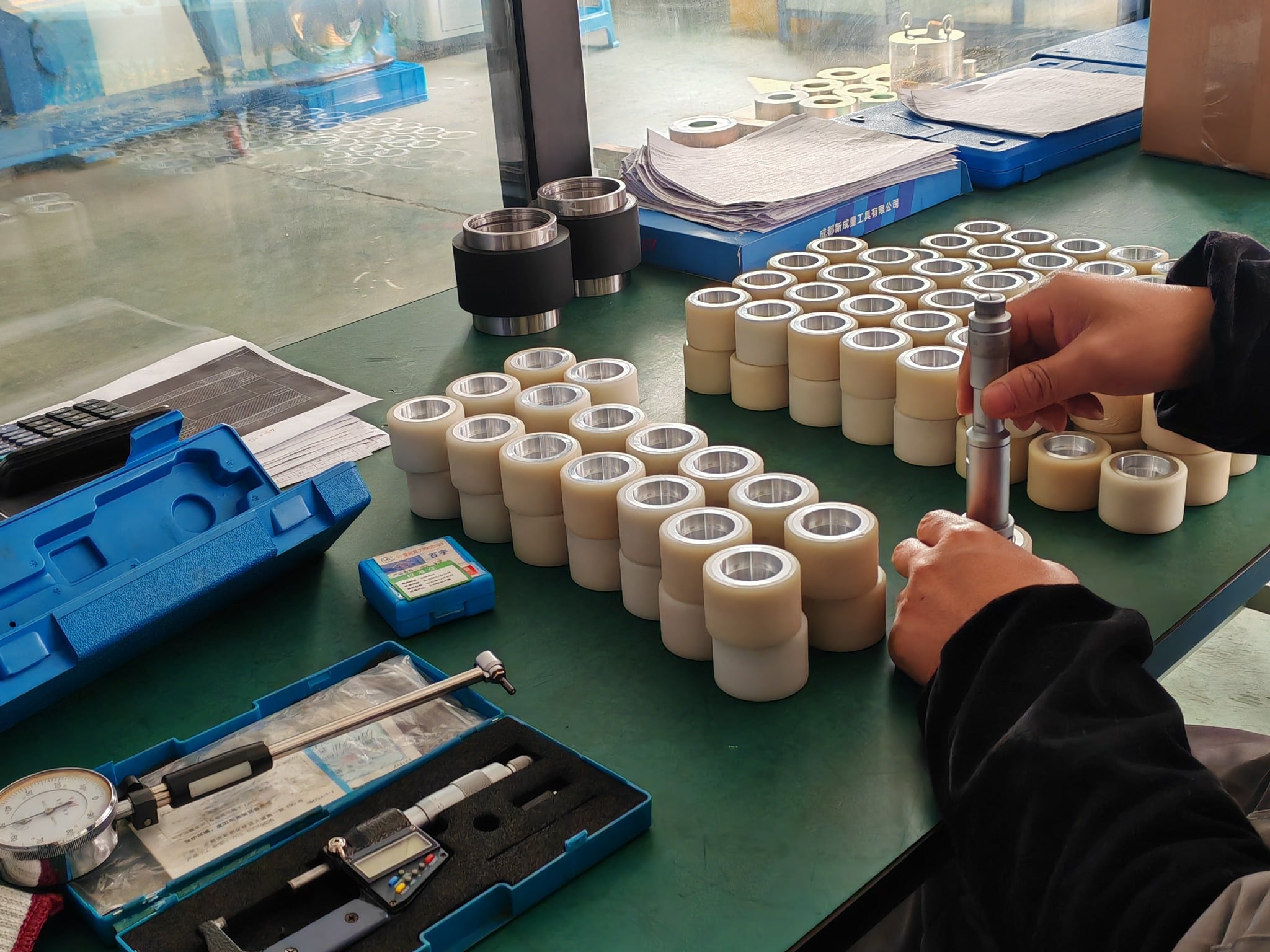
Custom PU Roller Wheels for a Vietnam Equipment Customer: Solving Tolerance, Traction and Bonding Challenges
In custom polyurethane wheel production, the visible PU surface is only one part of the job. For industrial equipment users, a PU roller wheel must also match the drawing tolerance, maintain stable traction, and keep a reliable bond bet...
Learn more2026-0528 -
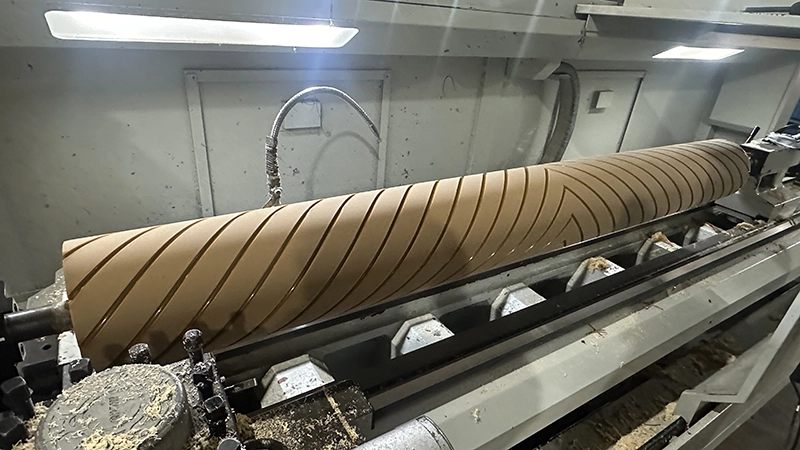
Polyurethane Roller Delamination: Causes, Fixes and Validation
In material handling systems, roller failures rarely happen at a convenient time. In high-speed logistics operations running around the clock, one failed component can create a chain reaction across an entire line. Repeated polyureth...
Learn more2026-0521 -
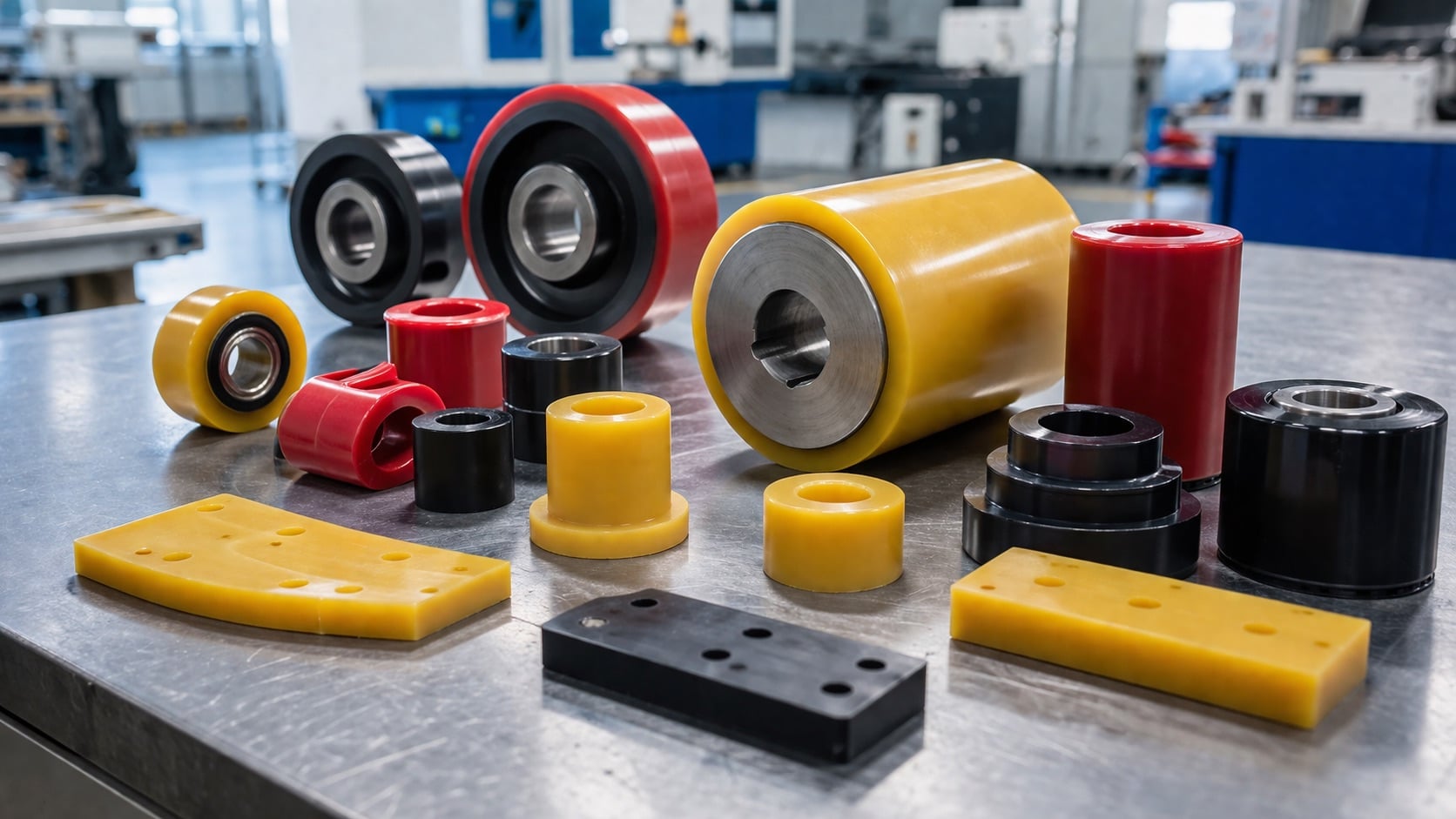
What Information Is Needed to Quote Custom Polyurethane Parts?
Quoting custom polyurethane parts is not the same as quoting standard off-the-shelf components. A polyurethane wheel, roller, bushing, liner, sheet, rod, tube, molded part or urethane-to-metal bonded component may look simple from the o...
Learn more2026-0506 -
How to Choose Between Polyether and Polyester Polyurethane for Custom Industrial Parts
When buyers choose polyurethane for custom industrial parts, the real risk is usually not the drawing. It is the material system. A part can match the required size and hardness and still fail too early if the polyurethane type does ...
Learn more2026-0417