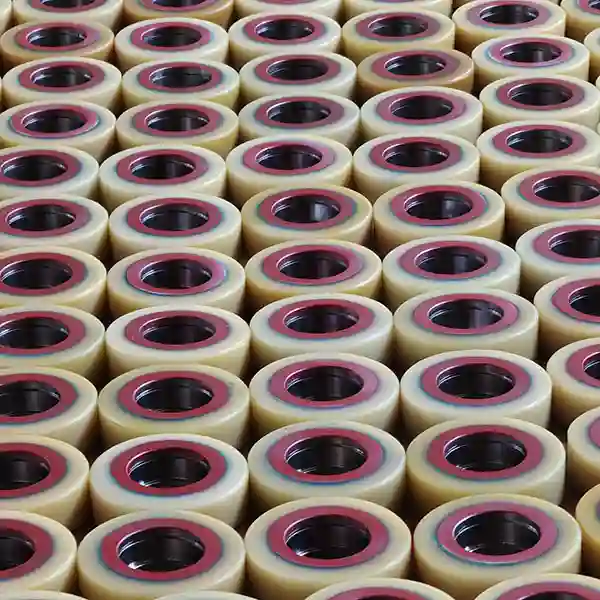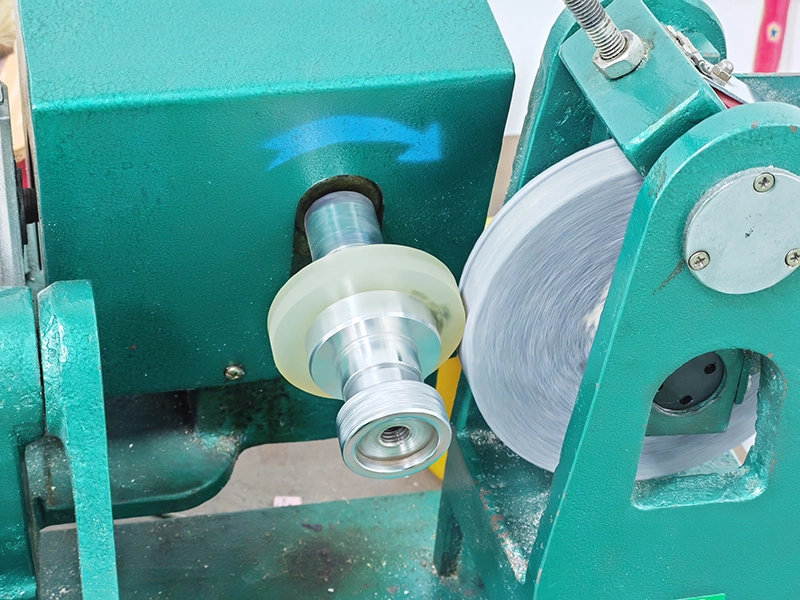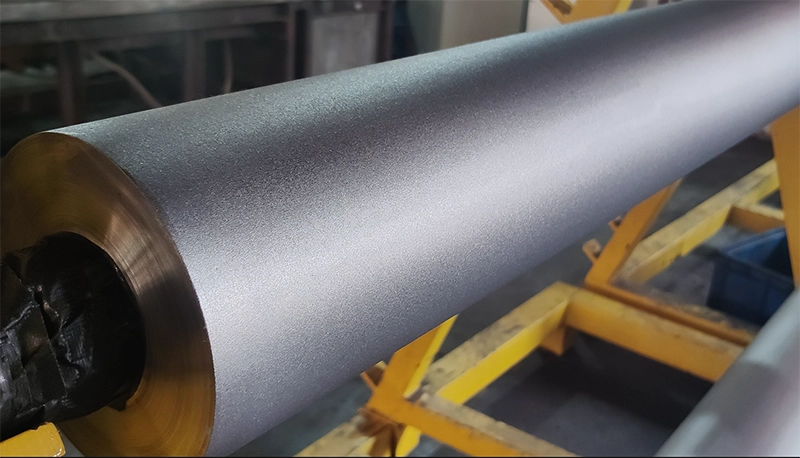





Quoting custom polyurethane parts is not the same as quoting standard off-the-shelf components. A polyurethane wheel, roller, bushing, liner, sheet, rod, tube, molded part or urethane-to-metal bonded component may look simple from the outside, but its performance depends on many working conditions: load, hardness, abrasion, temperature, chemical exposure, bonding structure, tolerance and installation method.
For industrial buyers, engineers and maintenance teams, a clear quotation request can save several rounds of back-and-forth communication. It also helps the manufacturer recommend a more suitable polyurethane material, production method and structure before the part goes into use.
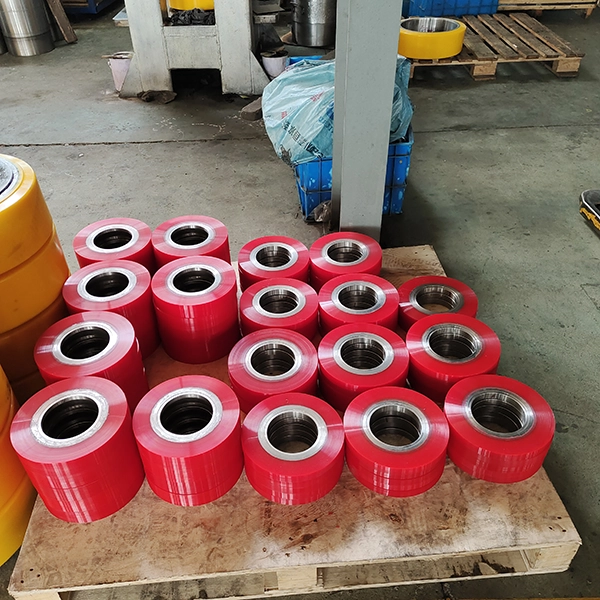
PepsenPU manufactures OEM/ODM custom polyurethane parts in China, including polyurethane wheels, rollers, bushings, liners, sheets, rods, tubes, molded urethane parts, cast urethane components and urethane-to-metal bonded parts for industrial equipment applications. The company supports production based on drawings, samples and application requirements.
The following information can help you prepare a more complete RFQ and receive a more accurate quotation
1. Drawing, Sample or Clear Dimensional Information
The most important starting point is the part geometry. If the part is already designed, a technical drawing is usually the best reference. A 2D drawing can show the basic dimensions, tolerances, holes, grooves and installation positions. A 3D file can help the manufacturer better understand complex structures, curved surfaces or molded features.
If no drawing is available, a physical sample can also be useful. For replacement parts, many buyers send photos, used samples or broken parts for reference. In this case, it is better to include several photos from different angles and mark the critical dimensions clearly.
For standard polyurethane shapes such as sheets, rods, tubes or bars, the required size is normally enough for an initial quotation. For custom molded polyurethane parts, wheels, rollers, bushings or bonded components, the quotation will be more accurate when the drawing includes dimensions, tolerance requirements and assembly details.
Suggested information to provide:
- 2D drawing or 3D file
- Physical sample photos
- Outer diameter, inner diameter, length, width and thickness
- Hole size, groove shape and mounting position
- Tolerance requirements
- Whether the part is used alone or assembled with other components
For applications involving wheels and rollers, you can also refer to Custom Polyurethane Wheels and Polyurethane Rollers when preparing the required dimensions.
2. Product Type and Application
A custom polyurethane part should be quoted according to how it will be used. The same material may perform differently when used as a wheel, roller, bushing, liner, pad, scraper, sheet or metal-bonded component.
For example, polyurethane wheels usually need load capacity, rebound, rolling resistance and bonding strength. Polyurethane rollers may need surface finish, concentricity, shaft structure and wear resistance. Polyurethane bushings often need flexibility, compression resistance and correct fit. Polyurethane liners are usually selected for abrasion protection in mining, aggregate, slurry handling or other heavy-wear environments.
Before requesting a quote, it is useful to describe the actual function of the part.
Examples:
- Conveyor wheel
- AGV or material handling wheel
- Drive roller or guide roller
- Pipe roller
- Suspension bushing
- Wear liner
- Scraper blade
- Cast urethane pad
- Urethane-to-metal bonded part
- Sheet, rod or tube for machining
This application information helps the manufacturer understand whether the part mainly needs abrasion resistance, load support, impact absorption, chemical resistance, flexibility, bonding strength or dimensional precision.
3. Material Requirement or Existing Material Reference
Some buyers already know the polyurethane material they want. Others only know the operating problem they need to solve. Both situations are acceptable, but the quotation should clearly state whether the material is already specified or needs recommendation.
If you have an existing specification, provide it directly. This may include cast polyurethane, polyether urethane, polyester urethane, NDI-based polyurethane, Vulkollan-equivalent material or another technical requirement.
If you are not sure which material is suitable, describe the working conditions. For example, parts exposed to water, humidity or hydrolysis risk may require a different formulation from parts used mainly in dry abrasion. Components used in oils, chemicals or outdoor environments may also need material review before quotation.
Useful information includes:
- Existing material name or grade
- Whether the material must be polyether-based or polyester-based
- Whether the part is used outdoors
- Whether it contacts oil, grease, water, acid, alkali or solvents
- Whether the application requires abrasion resistance, tear resistance or rebound
- Whether the material is replacing rubber, nylon, metal or another polymer
For buyers still comparing material options, Cast Urethane Parts and Custom Molded Polyurethane are suitable internal links to guide users toward more specific product pages.
4. Hardness Requirement
Polyurethane hardness has a direct effect on wear resistance, load capacity, grip, rebound, compression and installation performance. For many custom polyurethane parts, hardness is one of the first parameters the manufacturer needs to confirm.
Hardness is usually expressed in Shore A or Shore D. Softer polyurethane can provide more grip, cushioning and flexibility. Harder polyurethane can provide better load support, dimensional stability and cutting resistance in certain applications. However, choosing the hardest material is not always the best solution. If the hardness is too high, the part may lose elasticity or create stress in the assembly. If the hardness is too low, it may deform too quickly under load.
For quotation, you can provide:
- Required Shore hardness
- Existing part hardness, if known
- Whether the part needs to be flexible or rigid
- Whether the part works under compression
- Whether the surface needs grip or low rolling resistance
- Whether the current part is too soft, too hard or wearing too quickly
If hardness is uncertain, send the application conditions and current failure problem. The manufacturer can recommend a practical range based on load, speed, abrasion and installation requirements.
5. Load, Speed and Mechanical Stress
For wheels, rollers, bushings, pads, springs and other industrial polyurethane components, mechanical load is a key quotation factor. Without load information, it is difficult to judge whether the selected hardness, structure and bonding method are suitable.
For polyurethane wheels, load can include static load, dynamic load and impact load. A wheel used under continuous movement may face a different stress level from a wheel used under intermittent load. For rollers, speed, pressure and contact surface are also important. For bushings, repeated vibration and compression may affect the final material recommendation.
Provide the following details when possible:
- Load per part
- Total equipment load
- Static load and moving load
- Running speed
- Impact or shock load
- Contact surface material
- Working cycle per day
- Whether the part is used continuously or intermittently
For maintenance replacement, also describe the current failure mode. Common problems include cracking, flat spotting, debonding, swelling, excessive wear, deformation or noise. This information is often more useful than only sending dimensions.
6. Working Temperature and Environment
Temperature affects polyurethane performance. A part used in a normal indoor workshop does not face the same conditions as a part used near heat, outdoors, in cold storage, around oil, under sunlight or in wet conditions.
When requesting a quote, provide the actual working temperature range rather than only saying “normal temperature” or “high temperature.” If the part has short-term exposure to heat, mention both the continuous temperature and peak temperature.
Useful details include:
- Normal working temperature
- Maximum temperature
- Minimum temperature
- Whether exposure is continuous or occasional
- Outdoor or indoor use
- UV exposure
- Water or humidity exposure
- Oil, grease or chemical contact
- Dust, sand, slurry or abrasive particles
This information is especially important for polyurethane liners, pipe rollers, mining parts, outdoor wheels and components used in process equipment.
7. Quantity and Production Plan
Quantity affects quotation, mold cost, unit price and production planning. A one-piece sample order is different from a batch production order. Small-batch custom parts may require a different production arrangement from regular OEM supply.
When sending an RFQ, state whether the order is for:
- Prototype testing
- Replacement parts
- Small-batch maintenance use
- Regular production
- Annual purchasing plan
- Emergency repair
It is also helpful to provide estimated quantity by stage. For example, you may need 5 pieces for sample testing first, then 200 pieces after approval. This helps the supplier quote both sample cost and batch production cost more clearly.
For custom molded polyurethane parts, mold cost may be involved. For some simple cast urethane parts, the tooling cost may be limited. For more complex structures, the mold design should be reviewed before confirming the quotation.
8. Metal Core, Insert or Bonding Requirement
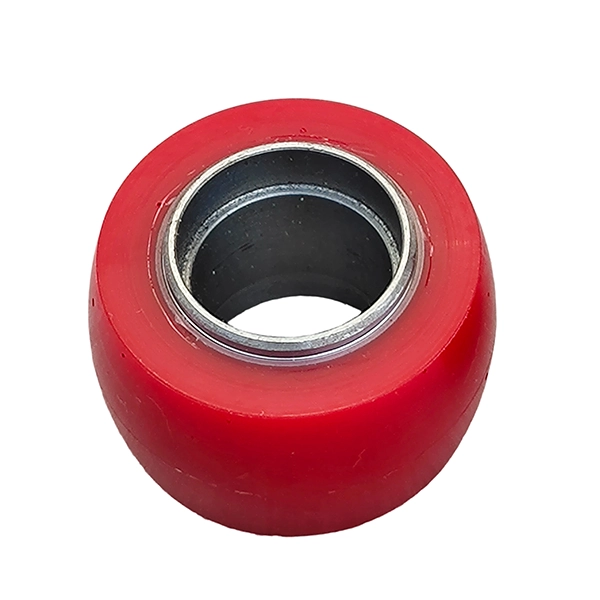
Many polyurethane parts are not made from polyurethane alone. Wheels, rollers, bearings, pads, bushings and machine components may require polyurethane to be bonded to steel, aluminum, bearings, hubs or other metal inserts.
For urethane-to-metal bonded parts, the quotation should include clear information about the metal component. The manufacturer needs to know whether the buyer will provide the metal insert or expects the supplier to produce the full assembly.
Important details include:
- Metal material
- Core size and drawing
- Surface treatment requirement
- Bearing or shaft structure
- Whether the metal insert is supplied by the buyer
- Bonding area and bonding strength requirement
- Whether the current part has debonding problems
PepsenPU manufactures polyurethane bonded to steel, aluminum, bearings, hubs and other inserts for custom wheels, rollers, pads and industrial machine parts.
9. Color, Surface Finish and Identification Requirements
Color is not only a visual requirement. In some factories, different colors are used to identify hardness, production batches, equipment lines or application areas. If the color matters, include it in the RFQ.
Surface finish may also affect the function of the part. A roller may need a smooth surface, textured surface or specific grip. A sheet or pad may need a certain thickness tolerance. A molded part may require clean edges or machining after casting.
Possible requirements include:
- Color
- Smooth or textured surface
- Machined surface
- Grooves, slots or profiles
- Chamfered edges
- Part marking
- Packaging labels
- Batch identification
If the part is used in visible equipment or exported assembly, appearance and packaging requirements should be stated before production.
10. Tolerance, Machining and Assembly Conditions
For many custom polyurethane parts, the final performance depends not only on the material but also on dimensional control. A roller that is not concentric enough may cause vibration. A bushing with incorrect inner diameter may be difficult to install. A wheel with poor hub fit may affect equipment safety.
When tolerance matters, include it in the drawing. If you are not sure which tolerance is realistic for polyurethane, explain the installation method and functional requirement. Polyurethane is an elastomer, so its dimensional behavior is different from metal or rigid plastic.
Useful assembly details include:
- Press-fit or loose-fit installation
- Shaft diameter
- Bearing size
- Contact surface
- Required concentricity
- Machining after casting
- Assembly clearance
- Whether the part must match existing equipment
This helps avoid a quotation that looks correct on price but fails during installation.
11. Packaging, Shipping and Documentation Needs
For international orders, packaging and documentation should also be considered. Heavy polyurethane wheels, rollers, liners or large cast parts may require stronger cartons, wooden cases or pallet packing. Small precision parts may need separated packing to avoid deformation or surface damage.
If the goods are used for OEM production, the buyer may also need product labels, batch numbers or specific packaging format.
Possible requirements include:
- Export carton or wooden case
- Pallet packing
- Individual packing
- Labeling requirement
- Batch traceability
- Delivery schedule
- Shipping method
- Required documents
These details are not always needed for the first technical discussion, but they help the supplier prepare a more complete commercial quotation.
12. Current Problem or Reason for Replacement
One of the most useful pieces of information is the reason why the buyer needs a custom polyurethane part. If the current part is failing, describe the failure clearly.
Common failure problems include:
- Fast wear
- Cracking
- Tearing
- Debonding from metal
- Permanent deformation
- Poor load capacity
- Noise
- Chemical swelling
- Heat damage
- Incorrect hardness
- Short service life
A clear description of the existing problem helps the manufacturer avoid simply copying a part that already fails in service. In many cases, the drawing shows the shape, but the failure information shows what needs to be improved.
What Buyers Should Prepare Before Requesting a Quote
A complete RFQ does not need to be complicated. The most practical approach is to prepare the essential information first, then discuss technical details with the manufacturer.
Before contacting PepsenPU, buyers can prepare:
- Drawing, 3D file, sample or photos
- Dimensions and tolerances
- Product type and application
- Required hardness
- Load and speed
- Working temperature
- Chemical, water, oil or UV exposure
- Quantity and production plan
- Metal core or bonding requirement
- Color and surface finish
- Packaging or documentation requirements
- Current failure problem, if any
With this information, the manufacturer can review whether the part is more suitable for cast urethane, molded polyurethane, machined polyurethane shape, polyurethane-to-metal bonding or another production method.
FAQ: Quoting Custom Polyurethane Parts
1. Can I request a quote without a technical drawing?
Yes. A technical drawing is helpful, but it is not always required for the first discussion. You can send photos, a physical sample, basic dimensions and application details. For accurate production, a drawing may still be needed later, especially for custom molded parts, wheels, rollers, bushings and bonded components.
2. What file format is suitable for custom polyurethane parts?
Common formats include PDF drawings, STEP files, IGES files, DWG files or other 2D and 3D technical files. If only a sample is available, clear photos with marked dimensions can help start the quotation review.
3. How do I choose the right polyurethane hardness?
Hardness should be selected according to load, abrasion, flexibility, impact, installation method and operating environment. If you do not know the exact Shore hardness, provide the working conditions and current part problem. The manufacturer can suggest a practical hardness range.
4. Can polyurethane parts be made according to samples?
Yes. Samples are useful for replacement parts or maintenance projects. However, it is better to also provide application details, because copying the existing sample may not solve the original failure problem if the current material or structure is not suitable.
5. What information is needed for polyurethane wheels?
For custom polyurethane wheels, provide the outer diameter, width, hub or bearing size, load per wheel, running speed, floor condition, hardness requirement, metal core details and whether the wheel is used for drive, guide, load support or material handling.
6. What information is needed for polyurethane rollers?
For polyurethane rollers, provide the roller diameter, face length, shaft or core drawing, coating thickness, hardness, surface finish, speed, load, contact material and whether the roller is used for conveying, feeding, guiding, pressing or pipe support.
7. Can PepsenPU make urethane-to-metal bonded parts?
Yes. PepsenPU can manufacture polyurethane bonded to metal inserts such as steel, aluminum, bearings, hubs and other cores for wheels, rollers, pads and industrial components. The RFQ should include the metal drawing, bonding area, material requirement and whether the insert is supplied by the buyer.
8. Why is application information important for quotation?
Application information helps the manufacturer choose the correct material, hardness, bonding method, structure and production process. Two parts with the same dimensions may require different polyurethane formulations if one is used in dry indoor conveying and the other is used in mining slurry, outdoor equipment or high-load machinery.
Request a Custom Polyurethane Parts Quote
A clear quotation request helps reduce uncertainty before production. Whether you need polyurethane wheels, rollers, bushings, linings, sheets, rods, tubes, cast urethane parts, molded polyurethane components or urethane-to-metal bonded parts, the most useful information is the same: drawing or sample, dimensions, hardness, load, working temperature, quantity and application details.
Send your drawing, sample, dimensions, hardness requirement, load data, working temperature, quantity and application conditions to PepsenPU. The team can review your requirements and recommend a suitable custom polyurethane solution for your equipment or replacement project.