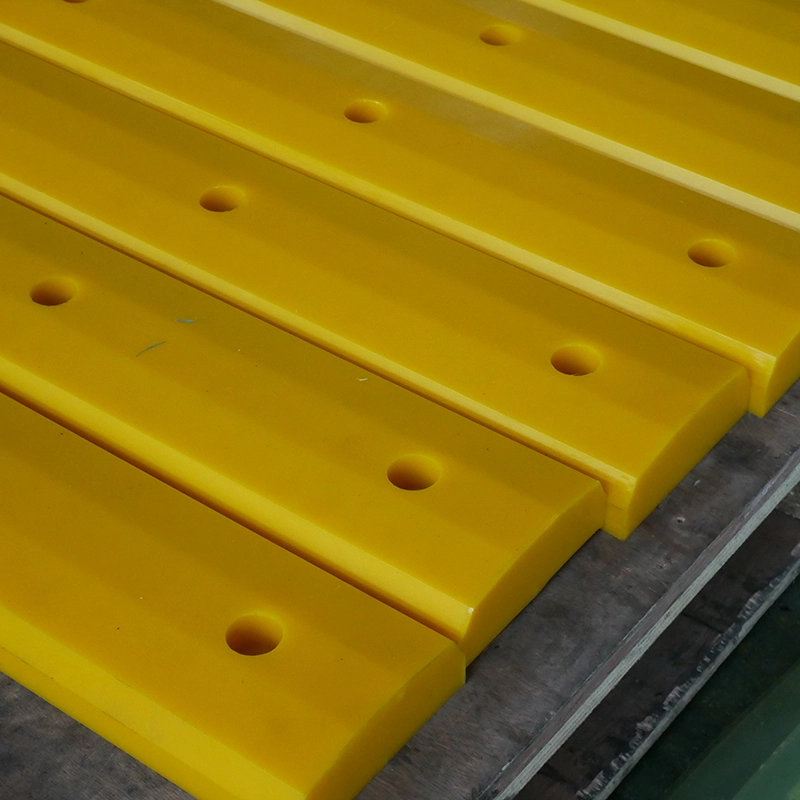
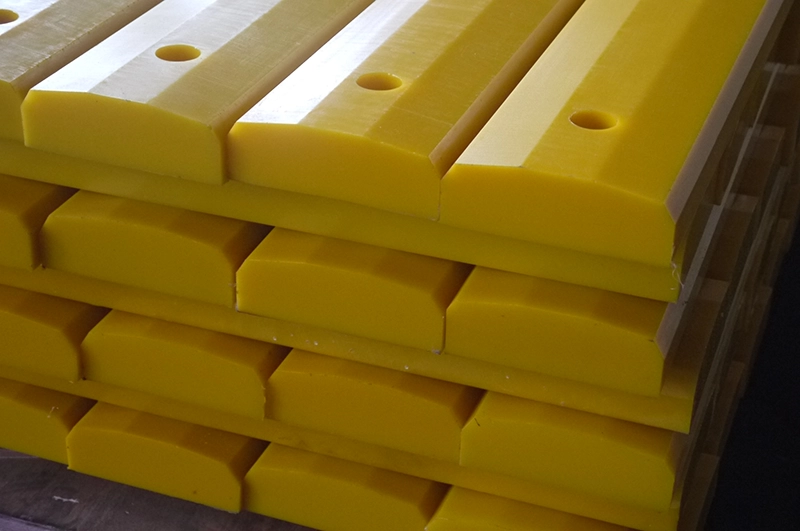
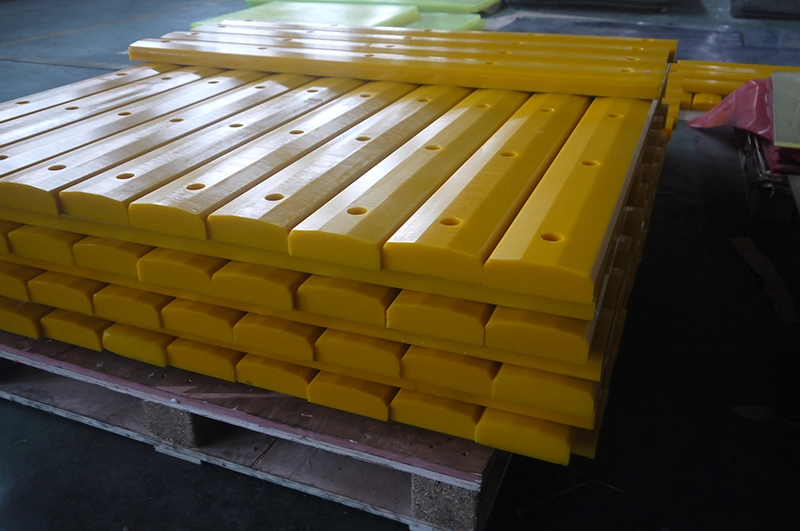
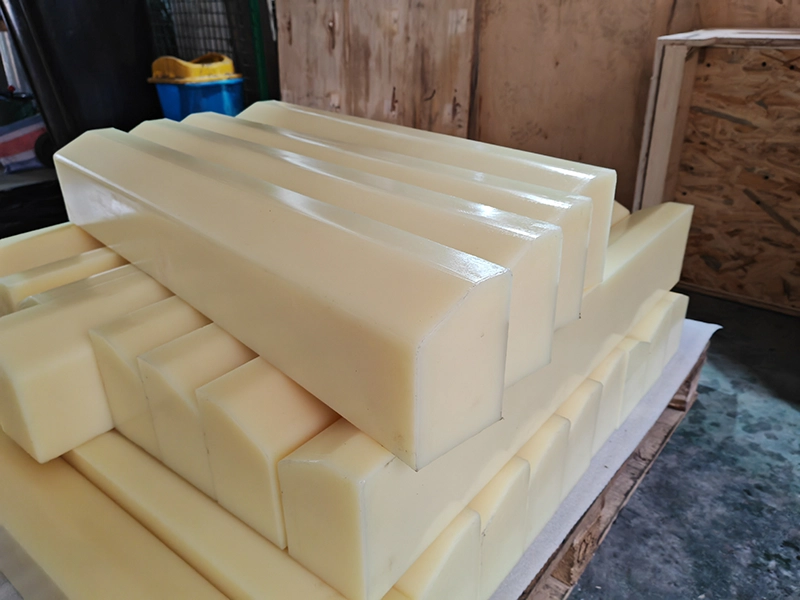
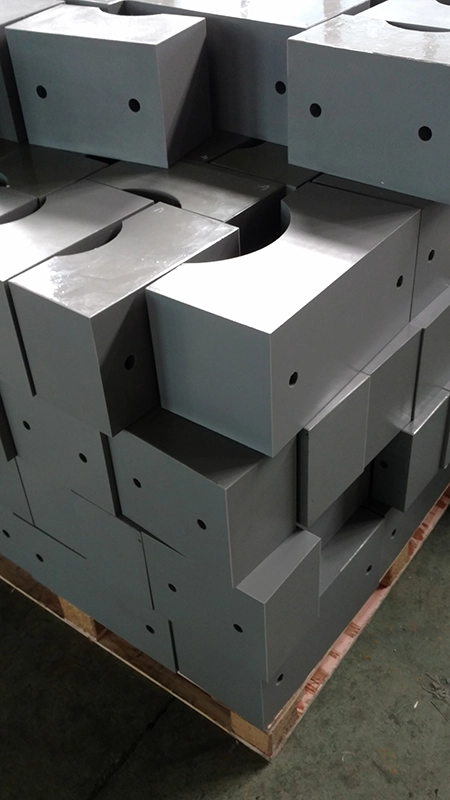
Machine movement, pad deformation, and floor abrasion can create alignment, maintenance, and safety problems in CNC workshops, mineral processing plants, and logistics facilities. Pad selection should account for static load, dynamic forces, floor finish, contaminants, and inspection intervals.
カスタム 鋳造ポリウレタン floor pads can be formulated and molded to balance compression behavior, grip, vibration damping, and floor protection. Performance depends on the selected grade, pad geometry, contact pressure, floor surface, and exposure to oils, water, dust, or cleaning chemicals.
Custom Polyurethane Floor Protection Pads for Different Equipment and Industrial Applications
Every industrial machine generates different load paths, vibration frequencies, and contact pressures. Selecting hardness, geometry, and reinforcement together delivers better long-term performance than choosing material hardness alone.
Where Are Polyurethane Floor Protection and Anti-Skid Pads Used in Heavy Industry?
Cast PU pads can be specified for concrete, epoxy, and stone flooring after the surface condition and marking risk are reviewed. Typical applications prioritize load stability, slip control, and surface protection for fixed or semi-mobile equipment.
- CNC machining centres, grinding equipment and automated production cells
- Mineral processing machinery, underground mining auxiliary mobile equipment
- Hydraulic presses, compressors and stationary power generation units
- Logistics lifting equipment outriggers and heavy rack support bases
- Stone processing CNC polishing machinery and workshop transport dollies
Technical Considerations for Cast Polyurethane, Rubber, and TPU Anti-Slip Pads
Cast polyurethane, rubber, and TPU are available in many grades. Compare compression set, hydrolysis resistance, friction, chemical compatibility, manufacturing method, and cost using representative samples and the actual service conditions.
- Confirm compression-set data for the selected formulation, test temperature, deflection, and recovery period.
- Consider polyether-based PU for wet service, while separately checking compatibility with coolants and hydraulic fluids.
- Specify the required temperature range and verify texture, hardness, and compression behavior after cycling.
- Request a non-marking formulation and test it on the actual epoxy, concrete, or coated floor.
- Compare abrasion results from the selected PU and alternative materials under the same test method and conditions.
Application Example: Heavy Machinery Polyurethane Anti-Skid Floor Pad Evaluation
This application example shows how a stone-processing equipment operator can evaluate cast PU support pads when existing machine feet deform, drift, or mark the floor.
- 用途: Stone-processing CNC equipment
- Original issue: Existing machine-base pads deformed during service, allowing movement and visible floor wear.
- Evaluation approach: Review load per pad, floor finish, fluid exposure, allowable movement, pad thickness, hardness, and surface texture.
- Validation: Install trial pads, record machine position and pad thickness, inspect the floor and pad surface, and set the replacement interval from observed condition.
Selection Guide: How To Specify Polyurethane Floor Protection Anti Skid Pads
Confirm equipment static load, ambient temperature range, floor surface condition and slip risk first. Hardness, thickness and surface tread are then matched to avoid premature creep or insufficient friction performance.
– Step 1: Calculate Static & Dynamic Unit Pressure
Calculate the maximum load per pad, contact area, load distribution, and dynamic factors. Select hardness, thickness, pad area, and any reinforcement together, then confirm deformation and stability with a representative trial.
– Step 2: Evaluate Environmental & Chemical Exposure
Identify every expected fluid and cleaning process. Polyether-based PU may be considered for wet or humid service, while ポリエステルポリウレタン may suit some abrasion or oil-exposure conditions; verify the specific formulation with compatibility testing.
– Step 3: Select Surface Texture Based on Floor Condition
Match the pad surface profile to the floor texture and contamination level. Compare candidate tread patterns on the actual smooth, rough, dusty, wet, or oily surface because texture alone does not guarantee slip performance.
Failure Mode Analysis for Polyurethane Floor Protection Pads
Reviewing failure mechanisms such as compression set, hydrolytic degradation, abrasion, chemical swelling, and shear delamination helps define the formulation, hardness, geometry, and inspection plan.
– Permanent compression: Check pressure distribution, thickness, hardness, temperature, and compression-set data for the candidate material.
– Tread wear and smoothing: Inspect texture loss and contamination because friction can change throughout the service interval.
– Swelling or softening: Test the selected elastomer in the actual oils, coolants, cleaners, and contact duration before approval.
– Floor discoloration: Request a non-marking formulation and complete a dwell test on the actual floor coating under expected load and temperature.
How should cast polyurethane, NBR, and TPU be compared for floor pads?
Compare specific grades using compression set, abrasion, tear behavior, chemical compatibility, friction, temperature, manufacturing method, and cost. No material is universally best, so test representative samples under the actual load, floor, and contamination conditions.
How is the coefficient of friction of a polyurethane pad determined?
Coefficient of friction depends on polyurethane grade, hardness, surface texture, floor finish, contact pressure, speed, and water, oil, or dust. Specify the test method and measure candidate pads on a representative surface instead of relying on a universal value.
How is load capacity determined for a polyurethane floor pad?
Calculate load per pad, contact area, load distribution, dynamic factors, allowable deflection, temperature, and duty cycle. Select hardness, thickness, geometry, and any reinforcement together, then confirm deformation and stability with engineering review and a representative trial.
How are tooling cost and lead time quoted for custom anti-skid pads?
Tooling method, part size, geometry, tolerance, quantity, inserts, material, inspection, and shipping all affect price and schedule. Provide drawings, required quantity, service conditions, and delivery location for a project-specific quotation.
What quality and compliance documentation is available for polyurethane pads?
Available documents depend on the selected material, production route, supplier records, and order requirements. State the required management-system certificate, restricted-substance declaration, test report, inspection record, or material traceability document before ordering.
How can marking risk be evaluated on light epoxy floors?
Request a non-marking formulation, then complete a dwell and movement test on the actual floor coating under representative load, temperature, cleaning agents, and contamination. No elastomer should be described as completely non-marking without this application check.
How do PU anti-skid pads perform in high humidity, water washdown, or outdoor UV environments?
For wet or humid service, consider a compatible polyether-based polyurethane and verify it against the actual water, cleaners, and temperature. Outdoor use also requires a UV-stabilized formulation and acceptance criteria for color and surface change; validate representative samples before approval.
How are MOQ and export packaging specified for custom pads?
MOQ and packing depend on part size, tooling, material, inserts, order quantity, and shipping method. Confirm pallet, carton, moisture, surface-protection, labeling, and sea- or air-freight requirements as part of the quotation.
Why do my current anti-skid pads fail prematurely, and how can we prevent it?
Premature failure may result from overload, uneven pressure, compression set, incompatible fluids, temperature, abrasion, poor support, or bond design. Inspect the failed pad and operating data before changing material; then validate the revised formulation, geometry, surface, and installation in service.
How much do polyurethane floor protection pads cost?
Pricing depends on size, hardness, formulation, quantity, tooling, tolerance, surface texture, metal inserts, inspection, packaging, and shipping. Compare quotations against the required service conditions and validation plan, not unit price alone.