




If you work in engineering, product design, manufacturing, or procurement, you’ve almost certainly come across components made from polyurethane. From small vibration dampers and heavy-duty conveyor rollers to custom suspension parts and industrial wear pads, polyurethane molded parts show up everywhere. But many designers and buyers still don’t fully understand what polyurethane molding is, how it compares to rubber or plastic, which industries benefit most from it, and how to specify the right parts for their applications.
This guide is built for engineers, design teams, and procurement professionals who need clear, practical, and industry-focused information about polyurethane molding. We’ll cover everything from basic definitions and material properties to real-world applications, process comparisons, molding types, and the questions we hear most often from clients. By the end, you’ll be able to make better material choices, improve part performance, reduce downtime, and communicate more effectively with manufacturers.
What Is Polyurethane Molding?
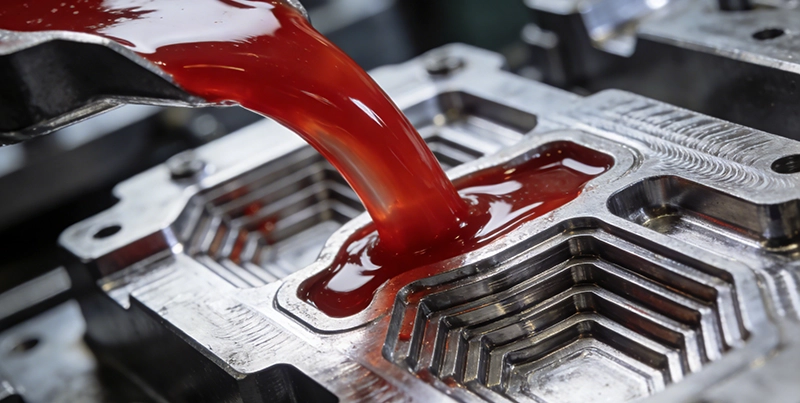
At its simplest, polyurethane molding is a manufacturing process that transforms liquid polyurethane resin into solid, custom-shaped components using molds. These components are often called elastomers—materials that act like rubber but offer far greater durability, load capacity, and chemical resistance.
Unlike mass-produced plastic or rubber parts, polyurethane molding excels in customization. Manufacturers can adjust hardness, flexibility, color, texture, density, and performance to match exact application requirements. For industrial users, this means parts that fit better, last longer, and solve problems that off-the-shelf components cannot.
The term “polyurethane molding” often includes several methods, but for high-performance industrial parts, cast polyurethane molding is the most widely used. This process produces cast polyurethane elastomers known for exceptional toughness, tear resistance, and longevity in harsh working conditions.
If you’ve ever wondered why so many companies replace rubber, plastic, or even metal parts with polyurethane, this guide will show you exactly why.
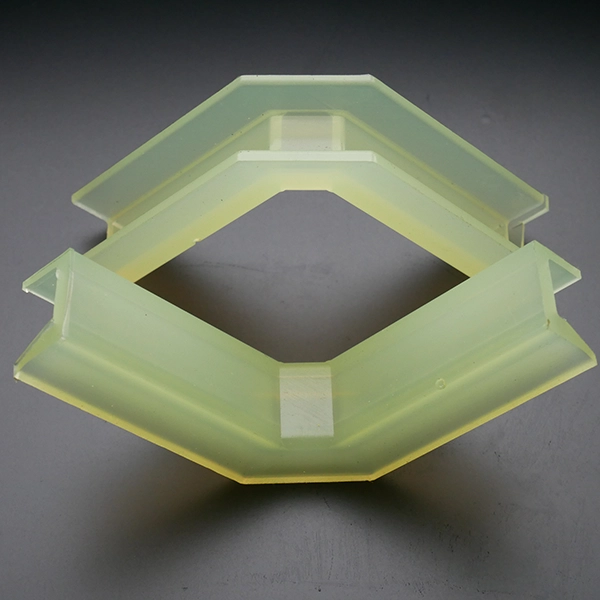
Key Properties and Advantages of Polyurethane Molding
Polyurethane is popular not for a single benefit, but because it combines performance traits that no other single material can match. Below are the properties that matter most to engineers and buyers.
Extreme Abrasion and Tear Resistance
In high-wear environments like mining, construction, material handling, and agriculture, polyurethane outperforms standard rubber by 3x to 10x. It resists cracking, splitting, fraying, and early breakdown under heavy friction and impact. For parts like rollers, scraper blades, bumpers, and liners, this directly reduces replacement frequency and maintenance costs.
Wide, Customizable Hardness Range
One of the biggest advantages of polyurethane molding is its ability to range from very soft to extremely rigid.
- Shore A 20–60: Soft, flexible, ideal for seals, gaskets, and vibration dampers
- Shore A 70–95: Tough, elastic, used for rollers, mounts, wheels, and wear pads
- Shore D 45–80: Rigid, load-bearing, capable of replacing some plastic and light metal parts
This versatility makes polyurethane suitable for almost any industrial function.
Excellent Elasticity and Shape Memory
Polyurethane parts flex under pressure, absorb impact, and return to their original shape without permanent deformation. This is critical for components like trans mount inserts, suspension bushings, engine mounts, and shock absorbers.
Strong Oil, Chemical, and Weather Resistance
Polyurethane holds up well against oils, greases, fuels, and mild chemicals. It also resists ozone, UV damage, and weathering better than natural rubber, making it ideal for both indoor and outdoor heavy-duty use.
Low-Cost Tooling and Fast Lead Times
Unlike plastic injection molding, which requires expensive steel molds, cast polyurethane molding uses affordable tooling. This makes it perfect for prototypes, small-batch production, custom parts, and OEM projects—without the high upfront costs.heat.
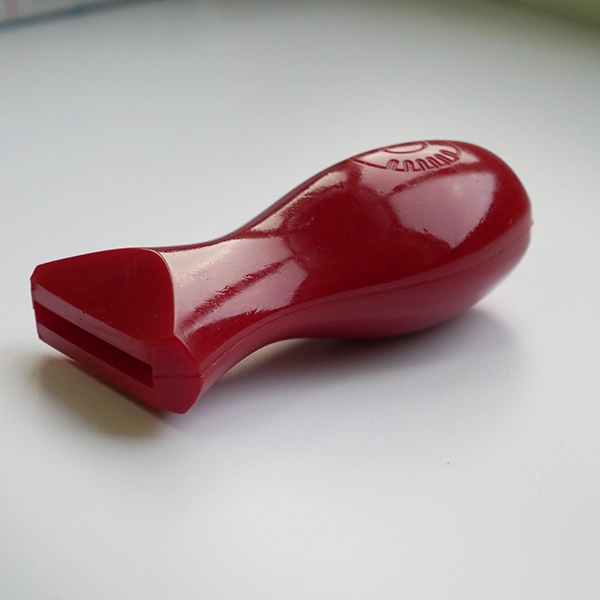
Common Types of Polyurethane Molding Processes
While polyurethane molding is a broad term, there are four primary processes used in industrial manufacturing—each with distinct advantages, ideal use cases, and limitations. As a custom cast polyurethane elastomer manufacturer, we focus on the process that delivers the best balance of customization, performance, and cost for industrial parts: cast polyurethane molding. Below is a breakdown of each type to help you choose the right one for your project.
1. Cast Polyurethane Molding (Our Core Process)
This is the most common and versatile process for custom industrial elastomer parts. It involves mixing liquid polyurethane resin with a curing agent, pouring the mixture into a custom mold (usually aluminum or silicone), and allowing it to cure at room temperature or with mild heat.
Ideal for: Custom parts, prototypes, small to medium production runs, and parts requiring high performance (abrasion resistance, elasticity, load capacity).
Advantages: Low tooling costs (far more affordable than steel molds for injection molding), fast turnaround for prototypes, full customization of hardness and properties, and excellent material performance.
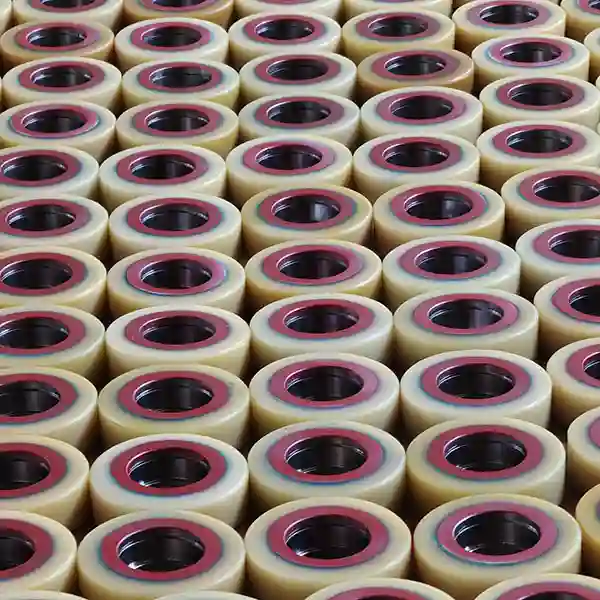
Use cases: Industrial rollers, wear pads, suspension bushings, wheels, linings, sheet, springs, and heavy-duty impact components.
2. Polyurethane Injection Molding
Injection molding uses high pressure to inject molten polyurethane resin into a precision steel mold. It’s similar to plastic injection molding but optimized for polyurethane’s unique properties.
Ideal for: High-volume production of small, uniform parts.
Advantages: Fast production speeds, consistent dimensions across large batches, and tight tolerances.
Limitations: High upfront tooling costs (steel molds are expensive), less flexibility for custom shapes or low-volume orders.
Use cases: Small seals, gaskets, and lightweight automotive components.
3. Compression Molding (Our Core Process)
Compression molding involves placing a pre-measured amount of polyurethane material (often a solid pellet or sheet) into a heated mold, then applying pressure to compress the material into the desired shape as it cures.
Ideal for: Thin, small, precision and complicated parts.
Advantages: Produces parts with excellent load-bearing capacity, heat resistance, and dimensional stability.
Limitations: Slower production speeds, higher material waste.
Use cases: Urethane engine mounts, urethane start roller, urethane O-ring.
4. Reaction Injection Molding (RIM)
RIM is a low-pressure process that mixes two liquid components (polyol and isocyanate) in a mixing head, then injects the mixture into a mold where it reacts and cures. It produces low-density, lightweight parts.
Ideal for: Large, lightweight structural parts.
Advantages: Low pressure requires less expensive molds, produces parts with good impact resistance and insulation properties.
Limitations: Lower density and wear resistance compared to cast polyurethane.
Use cases: Automotive interiors, protective enclosures, and lightweight industrial components.
Which Process Is Right for You?
For most engineers, designers, and procurement professionals searching for custom, high-performance industrial parts, cast polyurethane molding is the best choice. It offers the perfect balance of customization, cost, and performance—especially for prototypes, small batches, and parts that need to withstand harsh conditions.
To dive deeper into each process, compare their costs, and find the perfect fit for your project, read our full guide:
Types of Polyurethane Molding Processes: Which Is Best for Your Project?
Polyurethane Molding Applications by Industry
Polyurethane molded components are used across nearly every heavy industry. Below are the most common sectors and real-world parts you’ll find.
1. Industrial Machinery and Material Handling
This is one of the largest industries for polyurethane molding. Parts include:
- Conveyor rollers and wheels
- Wear pads, impact buffers, and scraper blades
- Custom gears, pulleys, and elastomer components
- Heavy-duty bumpers for production lines
- Non-slip and non-marking components
These parts improve efficiency, reduce noise, and extend equipment life.
2. Automotive and Transportation
Polyurethane is widely used in both original equipment and aftermarket parts:
- Transmission mount inserts
- Suspension bushings
- Shock absorber components
- Door seals and gaskets
- Vibration dampers for engines and chassis
- Noise-reduction and comfort components
Polyurethane’s durability and stability make it ideal for both light vehicles and heavy-duty trucks.
3. Construction and Heavy Equipment
Construction machinery operates in extreme conditions, and polyurethane performs reliably:
- Hydraulic system seals and gaskets
- Wear pads for excavators, crushers, and mixers
- Anti-vibration mounts for heavy machinery
- Impact-resistant and waterproof components
These parts reduce downtime on job sites around the world.
4. Mining and Oil & Gas
Mining environments are some of the harshest for any material:
- Abrasion-resistant chute liners and screen panels
- Pump parts and oil-resistant seals
- High-wear components for conveyor systems
- Parts that withstand mud, sand, and continuous friction
Polyurethane’s long service life makes it a cost-effective solution here.
5. Marine and Offshore
Saltwater, moisture, and corrosion demand high-performance materials:
- Waterproof seals and gaskets
- Corrosion-resistant bumpers
- Non-slip and non-marking components
- Saltwater-stable elastomer parts
6. Electronics and Medical
For precision and quiet operation:
- Low-compression and non-toxic components
- Shock-absorbent and noise-dampening parts
- Precision seals and enclosure components
- Clean, stable materials for sensitive equipment
If you work in any of these industries, custom cast polyurethane molding can likely improve your existing parts or replace underperforming components.
Polyurethane vs Rubber vs Plastic vs Metal: Full Comparison
Nearly every engineer or buyer asks the same question:
Is polyurethane better than rubber, plastic, or metal?
The answer depends on your application, but here is a straightforward, industry-based comparison.
Polyurethane vs Rubber
- Better abrasion and tear resistance
- Higher load-bearing capacity
- Better oil, ozone, and weather resistance
- Longer service life
- More customizable hardness and performance
- Lower long-term cost due to less frequent replacement
Polyurethane vs Plastic
- Better impact resistance
- Greater flexibility and elasticity
- Less brittle in low temperatures
- Superior vibration damping
- Lower tooling cost for custom and low-volume parts
Polyurethane vs Metal
- Lighter weight
- No rust or corrosion
- Quieter operation
- Excellent shock and vibration absorption
- Lower cost for complex or custom shapes
The bottom line:
Polyurethane molding delivers the elasticity of rubber, the durability of plastic, and the stability of metal—all in one material. For many industrial applications, it is simply the best overall choice.
Materials, Hardness, and Selection Guide
Choosing the right polyurethane grade is critical for performance. The main factor is hardness, measured by Shore A and Shore D scales.
- Soft (Shore A 20–60): Vibration dampers, seals, gaskets
- Medium (Shore A 70–95): Rollers, wheels, mounts, wear pads
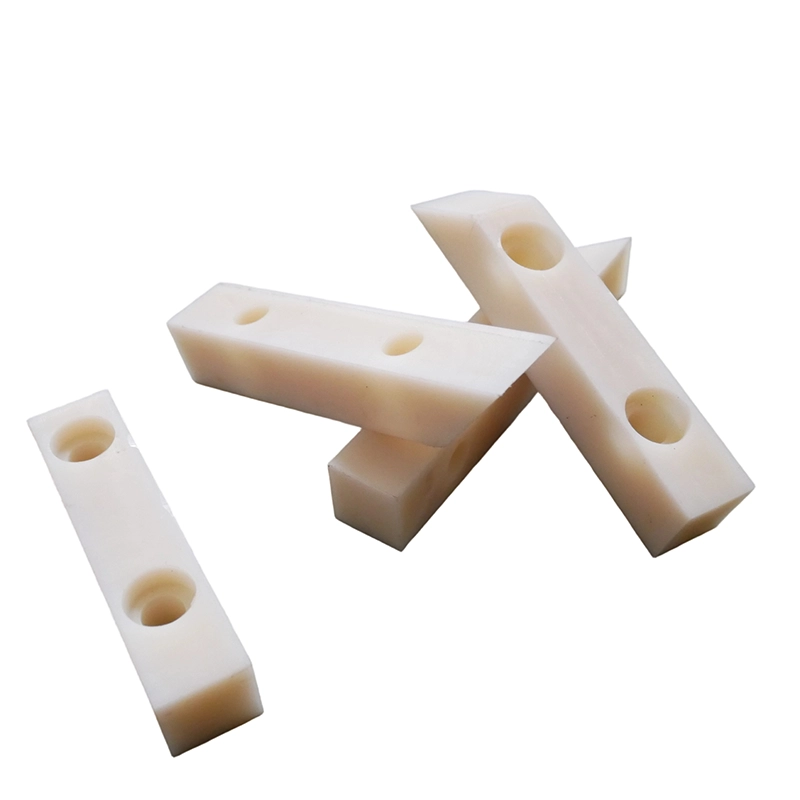
- Rigid (Shore D 45–80): Structural parts, high-load components, impact blocks
Other factors include temperature range, oil resistance, UV resistance, and load requirements.
For a complete breakdown of materials and grades, refer to:
Polyurethane Molding Materials: Shore Hardness, Grades and Selection Guide
Frequently Asked Questions (FAQs)
1. What is the typical lead time for custom molded polyurethane parts?
Prototypes and small batches usually take 7–15 days. Production orders generally take 15–25 days, depending on size and complexity.
2. What hardness range can you manufacture?
We produce parts from Shore A 20 (soft) up to Shore D 80 (rigid).
3. Can you mold metal inserts into polyurethane parts?
Yes. Threaded inserts, steel plates, pins, and bushings are regularly integrated into molded components.
4. How long does polyurethane last compared to rubber?
In high-wear applications, polyurethane typically lasts 3 to 10 times longer than natural rubber.
5. What is your minimum order quantity (MOQ)?
We support low MOQs for testing, prototypes, and small-batch production.
6. Can you reverse-engineer and replace worn parts?
Absolutely. Many clients send old rubber or plastic parts, and we create upgraded, longer-lasting polyurethane replacements.
7. Do you offer OEM and ODM services?
Yes. We provide full custom design, tooling, manufacturing, and packaging for global OEM partners.
8. How is cost determined for custom polyurethane parts?
Price depends on size, material grade, hardness, quantity, mold cost, and custom requirements.
9. Can polyurethane parts be used outdoors?
Yes. We offer UV-stable and weather-resistant grades for outdoor and heavy-duty environments.
10. Why do engineers choose cast polyurethane elastomers?
Because they deliver consistent performance, customization, durability, and cost savings that other materials cannot match.
11. What’s the difference between cast polyurethane molding and injection molding?
Cast polyurethane uses low-cost molds, is ideal for custom/low-volume parts, and delivers better wear resistance. Injection molding is for high-volume small parts but has higher upfront tooling costs.
If you’re looking for a trusted custom polyurethane molding manufacturer that specializes in cast elastomer parts for industrial, automotive, construction, and material handling applications, we can help you select the right material, optimize your design, reduce costs, and improve component lifespan.
For custom solutions, samples, OEM support, or pricing details, feel free to reach out to our team.