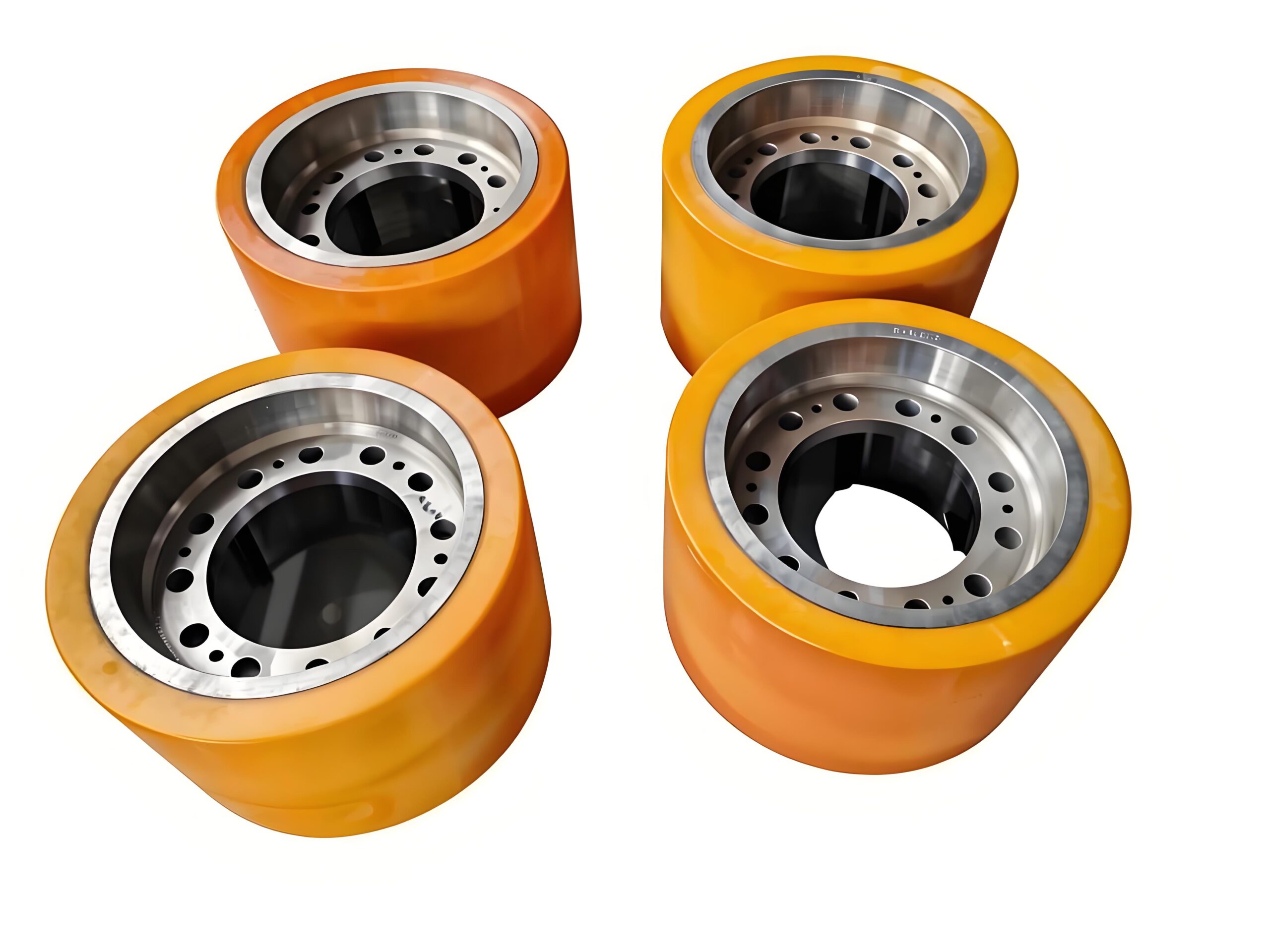
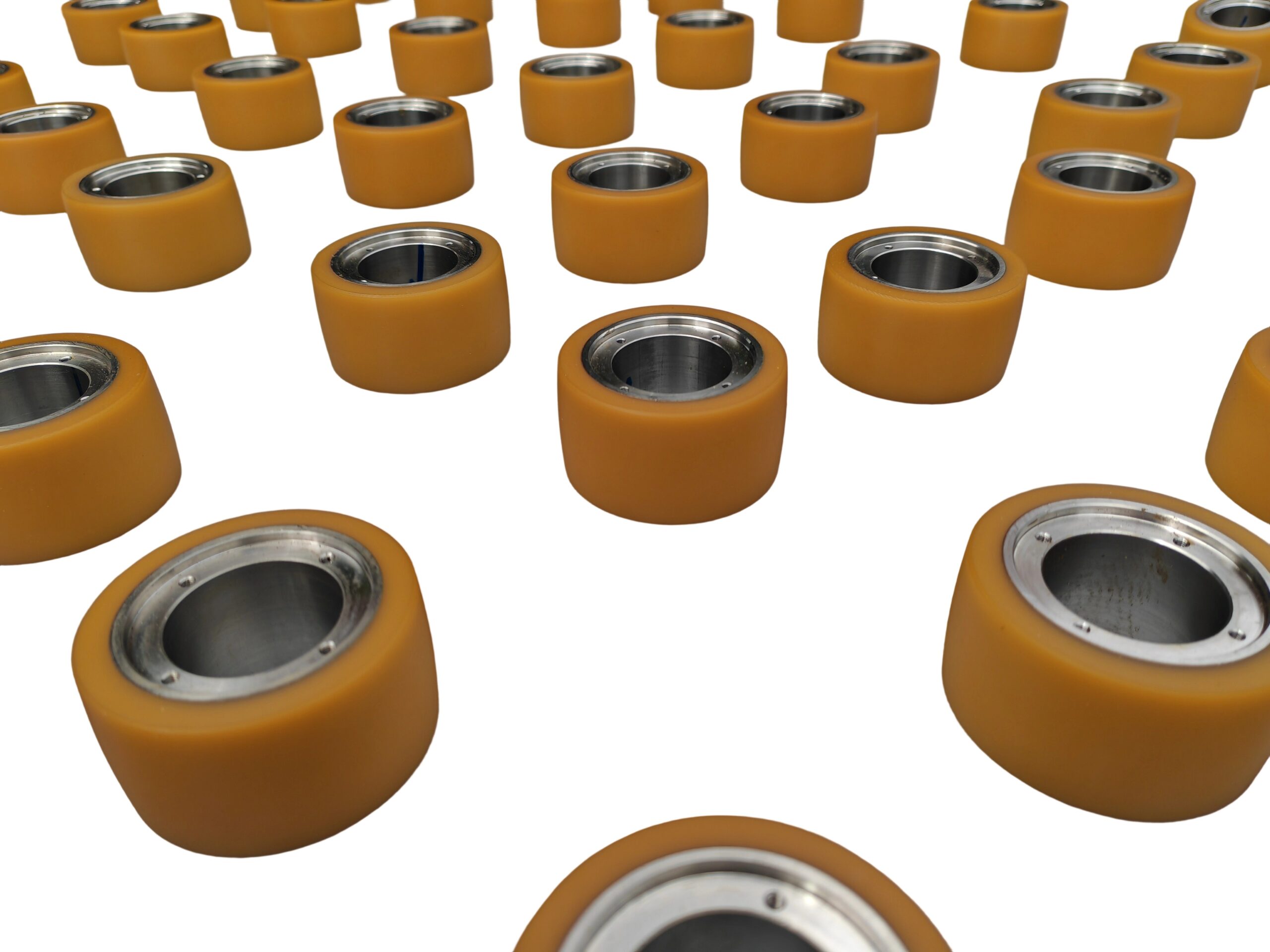
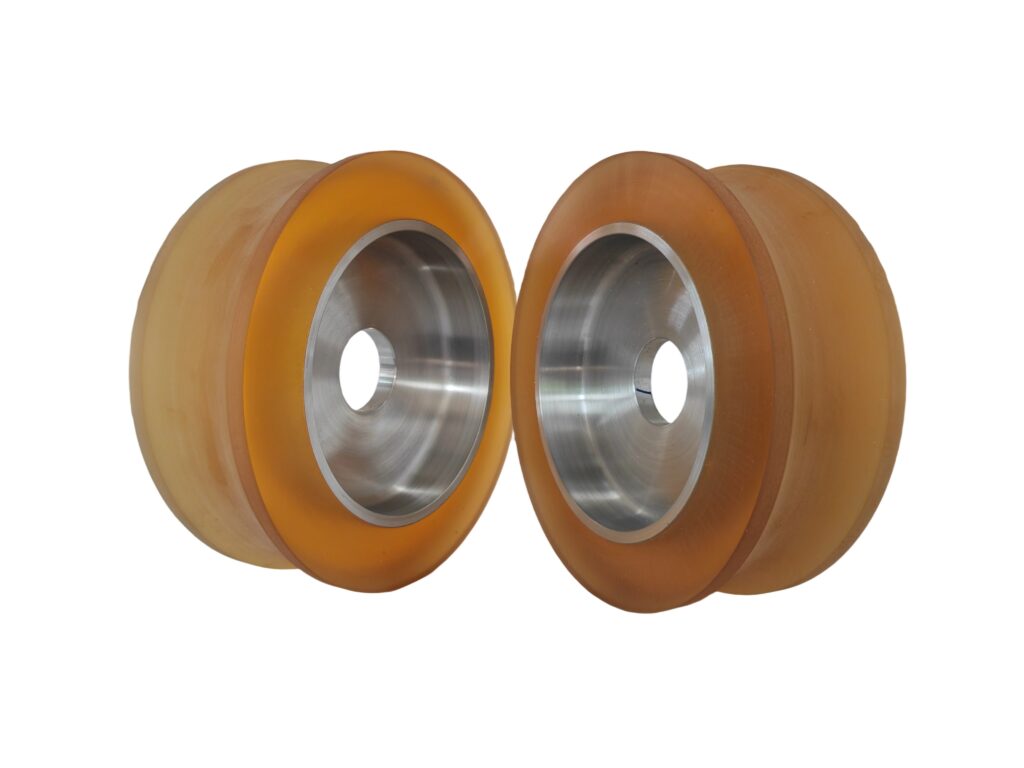
We provide NDI-based polyurethane wheels for various applications, such as forklifts, mining machines, driverless transport systems, conveyor systems, harbor/port machinery, construction equipment, automated systems, and other heavy-duty or high speed scenarios.
Our NDI-based polyurethane drive wheels, load wheels, and press-on tyres are supplied to an extremely outstanding standard. They provide best abrasion resistance, excellent dynamic properties, low-noise, and ensure smooth, reliable operation in tough conditions, outperforming other standard polyurethane or rubber options.
Customization Options:
Parameter
Information
Application
Hardness
Normally 90-95A , can be customized from Shore 20A-98A-80D
Suitable for ball pitching wheels to most industrial handling needs
Load – bearing Range
Up to 3,000 kgs per wheel
Meets medium and heavy – duty load requirements, harbor/port machinery
Speed range
Up to 16 km/h
AGVs,conveyor systems and driverless transport systems. Food Processing
Applicable Floors
Cement floors, tile floors, asphalt floors
Universal for indoor and outdoor use
Temperature Adaptation
-40℃ ~ 160℃
Copes with temperature differences in most industrial environments
Application: Where Our Vulkollan Equivalent Wheels are Used?
– Wheels for harbor/port machinery
– Skid conveyor roller wheel For Electric Automobile Assembly Line
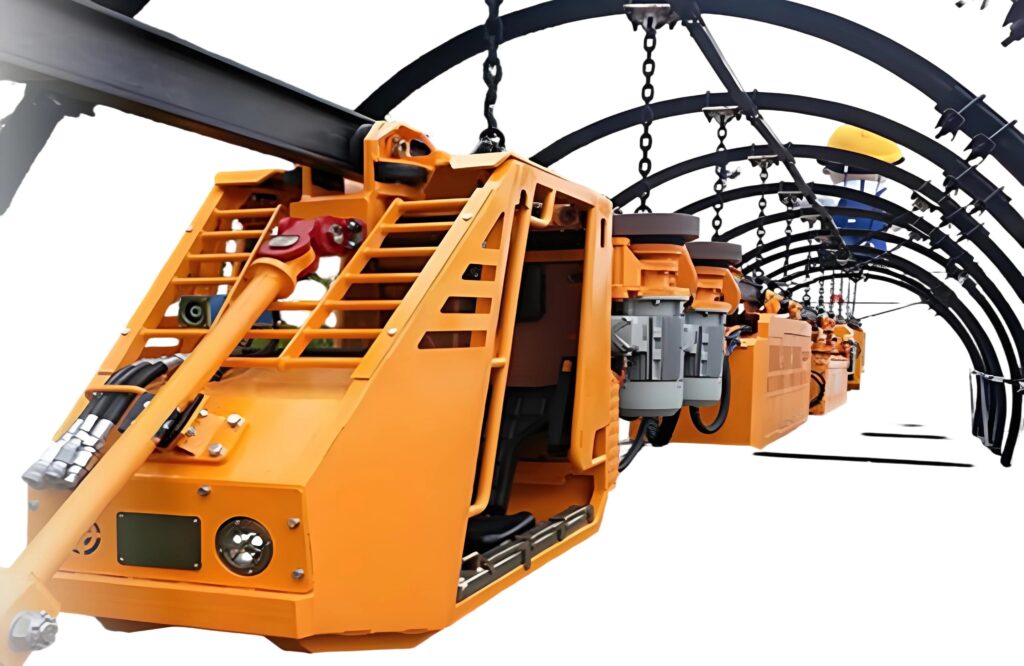
– Mining equipment: polyurethane friction drive wheel for monorail transport systems
– Spinning wheels for ball throwing/ pitching machine
– NDI-based polyurethane wheels for automated storage and sorting systems, automated guided vehicles (AGVs),forklifts.
– Construction machinery, and earthmoving equipment.
– Many ovens ensuring enough curing time (24 hours)
Guarantees:
-100% quality checks before delivery
– 24hr inquiry response, and fast delivery for common sizes.
Why Choose Our Vulkollan EquivalentWheels ?
– Strict Quality Checks: Raw material inspection + casting process control; First article + final inspection; Wheel life-span testing.
– Technical Design Support : Offer design suggestion based on load ,speed and size; Refurbishment service available.
– Sandblasting and cleaning; quality bonding agent from North America and silicon-free release agent.
– Customizable hardness and formulations except standard Shore 93A.
Why do my heavy-duty wheels experience de-bonding (polyurethane separating from the core)?
De-bonding usually occurs due to poor chemical preparation of the metal core (cast iron or steel). We utilize cleaning process and high-performance bonding agents to ensure a peel strength exceeding 70 N/mm. This ensures the tread remains intact even under high torque, frequent start-stops, and heavy lateral loads.
Should I choose Polyester or Polyether Polyurethane for my application?
Polyether: Highly resistant to hydrolysis (moisture), making it ideal for humid environments, cold storage, or outdoor use. It also offers lower heat build-up. Polyester: Provides superior oil and solvent resistance and higher tear strength, best suited for chemical plants or indoor industrial floors. If you are unsure, provide us with your floor conditions, and we will match the chemistry to your environment.
Will 95A durometer wheels leave marks or damage epoxy-coated floors?
No. Our high-grade non-marking polyurethane formulas are designed to protect expensive industrial flooring. Unlike nylon wheels, PU provides a degree of
How is
Our dynamic ratings are calculated based on a speed of 4 km/h. For instance, a wheel rated for $1,000 kg is tested for continuous movement at that weight, not just its static
Why do my wheels deform or melt during high-speed AGV operations?
This is caused by Hysteresis (Internal Heat Build-up). In high-duty cycle applications, standard PU dissipates energy as heat, leading to material failure. We recommend our High-Resilience (NDI/Vulkollan equivalent) formulas, which feature ultra-low rolling resistance and minimal heat accumulation to prevent thermal breakdown.
Do you offer FDA-compliant or cleanroom-certified wheels?
Yes. We manufacture wheels using FDA-compliant polyurethane (CFR 21) for food processing. For pharmaceutical cleanrooms, we combine these treads with 304 Grade Stainless Steel cores and precision sealed bearings to withstand rigorous chemical washdowns and prevent corrosion.
What bearing configuration is best for heavy side-loads?
While sealed precision ball bearings are standard for low rolling resistance, we recommend Tapered Roller Bearings for applications involving heavy side-loading or high-speed towing. These bearings are designed to absorb axial thrust, ensuring the wheel rotates smoothly during sharp turns under load.
How do you guarantee durometer consistency across different batches?
We use automated metering and mixing systems rather than manual pouring. This ensures the prepolymer-to-curative ratio is accurate to within 0.1%. Every batch undergoes random Shore A/D hardness testing, and we provide a Material Test Report (MTR) with every shipment.
How do I justify the higher cost of high-performance PU wheels to my procurement team?