




Warum Polyurethan im Bergbau einsetzen?
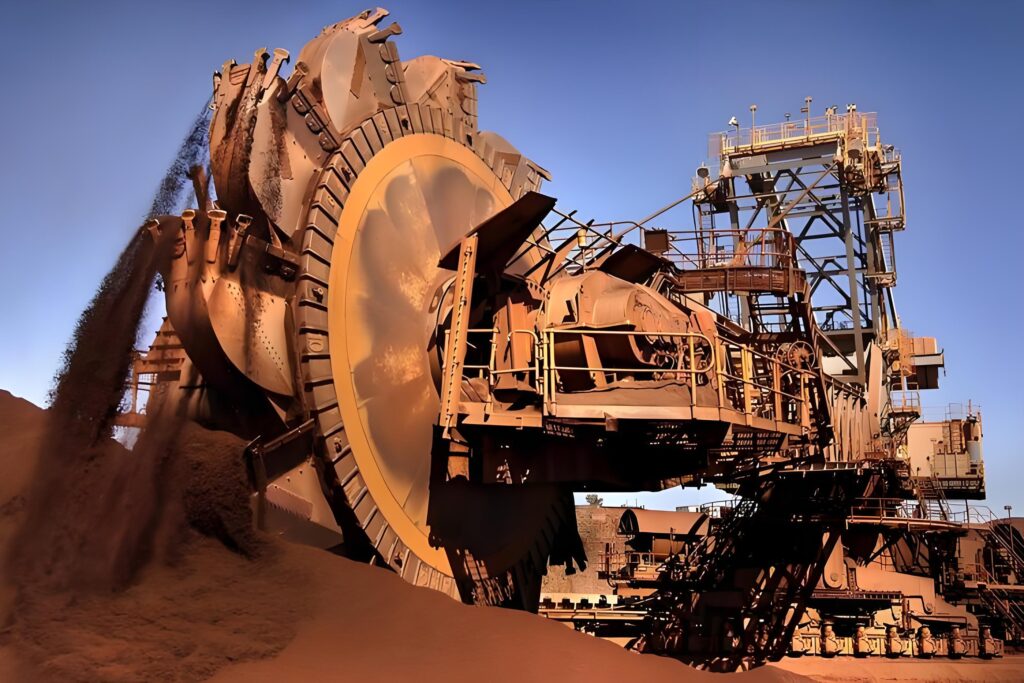
Anlagen zur Bergbau- und Mineralaufbereitung sind abrasivem Erz, Schlammerosion, Stößen, Vibrationen und Prozesschemikalien ausgesetzt. Gegossenes Polyurethan eignet sich für Auskleidungen, Siebplatten, Hydrozyklonkomponenten, Abstreifer, Walzen und Transporträder. Bei der Materialauswahl sind Erzgröße und -härte, Feststoffgehalt des Schlamms, Geschwindigkeit, Aufprallwinkel, Temperatur, Chemikalien und Installationsbedingungen zu berücksichtigen.
Vorteile von Polyurethan-Bergbaukomponenten
- Verschleiß- und Erosionsbeständigkeit: Geeignete Polyurethansorten können abrasivem Gleiten und Schlammerosion widerstehen. Die vergleichende Nutzungsdauer muss unter Berücksichtigung der tatsächlichen Erz-, Geschwindigkeits-, Aufprall- und Wartungsbedingungen ermittelt werden.
- Stoßdämpfung und chemische Beständigkeit: Elastisches Polyurethan kann wiederholte Stöße absorbieren, während die Zusammensetzung die Beständigkeit gegenüber Wasser, Ölen, Flotationsmitteln, Säuren und Laugen bestimmt. Überprüfen Sie die genaue Flüssigkeit, Konzentration, Temperatur und Einwirkzeit.
- Masse der unteren Komponente: Viele Polyurethanteile sind leichter als vergleichbare Metallkonstruktionen, was die Handhabung und den Austausch vereinfacht. Das Gewicht im eingebauten Zustand hängt von der Dicke, der Verstärkung und einem eventuell vorhandenen Metallkern ab.
- Individuelle Geometrie und Verklebung: Gegossenes Polyurethan kann um Metalleinsätze herum geformt und in anwendungsspezifischen Härten, Profilen und Montageausführungen für Auskleidungen, Abstreifer, Walzen und Räder hergestellt werden.
- Antistatisches Polyurethan und flammhemmendes Polyurethan erhältlich
Wichtige Anwendungen
Zerkleinerungsausrüstung
- Pufferteller für Backenbrecher, Rührwerkskomponenten
– Aufprallplattenauskleidungen und Pufferpads: Partikelgröße, Aufprallenergie, Dicke, Härte und Montageart für die jeweilige Anwendung festlegen.
– Dichtungsringe für Kegelbrecher: Vor der Auswahl der Polyurethansorte müssen Öl- und Staubbelastung, Temperatur, Bewegung, Toleranzen und Passflächen definiert werden.
Bergbau und Mineralverarbeitung
- Hydrozyklon-AuskleidungenWirbelfinder, Auslässe, Ein-/Auslasskegel, Abdeckplatten, Sprühdüsen, Zufuhrkammern
- Sichterschuhe und verschleißfeste Einlagen aus Polyurethan
Fördertechnik
- Förderbandabstreiferklingen: Bitte geben Sie Bandmaterial, Geschwindigkeit, Position des Reinigers, Feuchtigkeit, Feinanteile, Kantenprofil und die erforderlichen antistatischen oder flammhemmenden Dokumentationen an.
- Tragrollen für Bandförderer
- Schachtauskleidungen, Polyurethan-Rohrauskleidung, Armaturen und Schutzhüllen
Ausrüstung für die Siebung
– Vibrationssiebplatten: Maschenweite, offene Fläche, Plattendicke, Befestigungssystem und Polyurethan-Qualität werden in Abhängigkeit von der Aufgabegröße, der Feuchtigkeit, der Stoßfestigkeit und dem Verstopfungsrisiko ausgewählt.
– Klassierstreifen und Verschleißeinsätze zur Erosion von Schlämmen; Verschleißmuster und Betriebsdaten prüfen, um Material-, Dicken- und Austauschkriterien festzulegen.
- Puffer für Entwässerungssiebe, Schuhe für Spiralklassierer, Auskleidungsplatten
Sicherheits- und Transportausrüstung
– Antirutschmatten für den Untergrund: Oberflächenstruktur und Materialzusammensetzung werden hinsichtlich Feuchtigkeit, Verunreinigungen und Belastung ausgewählt. Reibung und Baustellensicherheit müssen für die Installation geprüft werden.
– Minentransporträder und Polyurethanräder für Monorail-Systeme: Schienenzustand, Radlast, Geschwindigkeit, Traktion, Temperatur und Betriebszyklus angeben.
| Gegossenes Polyurethan-Produkt | Antragsverfahren für den Bergbau | Angewandte Ausrüstung | Kernfunktionen | Wichtige Leistungsvorteile | Typische Erz-/Arbeitsbedingungen |
|---|---|---|---|---|---|
| Polyurethan-Hydrozyklonauskleidungen | Mineralklassifizierung, Entschlammung und Entwässerung | Kundenspezifische Hydrozyklongrößen und austauschbare Verschleißteile | Wände vor Schlammerosion schützen; Trenngenauigkeit verbessern | Gefälle und Geometrie wurden hinsichtlich Schlammerosion, pH-Wert, Feststoffgehalt und Fließgeschwindigkeit ausgewählt. | Eisen-, Kupfer-, Gold- und andere Mineralaufschlämmungen; liefern Feststoffe und chemische Lösungen |
| Urethan-Vibrationssiebplatten | Sieben, Klassifizieren, Entwässern | Lineare Siebe und Entwässerungssiebe | Hocheffiziente Sortierung; verstopfungsfrei | Individuell anpassbare Öffnungen, Plattenstärken und offene Flächen; eine robuste Konstruktion kann Metall-auf-Metall-Schallgeräusche reduzieren | Kohle, Eisenerz, Kalkstein |
| Gegossene Polyurethan-Kugelmühlenauskleidungen | Schleifschutz | Gitter- und Überlaufmühlen | Verschleiß und Energieverbrauch reduzieren | Geringes Gewicht, Stoßdämpfung und Verschleißschutz; Kompatibilität mit Mühlenbetrieb und Mahlkörpern prüfen. | Schleifen von Eisen- und Nichteisenmetallen |
| PU-Förderbandabstreifer | Bandreinigung während des Erztransports | Primäre/sekundäre Bandreiniger | Entfernen Sie klebrige Erzrückstände. | Kundenspezifische Kantengeometrie und -zusammensetzung; Temperatur, Bandmaterial und Reinigungsleistung angeben | Kohle, Eisenerzpulver |
| Urethan-Hebevorrichtung-Reibungskissen | Lastübertragung & Heben | Bergwerksaufzüge | Stabile Reibung gewährleisten und Metall schützen | Spezielle Reibungsfläche und metallgebundene Konstruktion; Hebelast und Sicherheitsanforderungen prüfen | Vertikaler Schachtbau |
| Gegossene Urethan-Flotationszellenauskleidungen | Schlammmischung und Blasenbildung | Mechanische Flotationszellen | Verbesserung der Reagenzieninteraktion und Blasenuniformität | Die Formulierung wurde für die Belastung durch Reagenzien, Suspensionen und Abrieb ausgewählt; die Kompatibilität sollte vor der Produktion bestätigt werden. | Kupfer-, Nickel-, Molybdän-Erze |
| Magnetische Trommelauskleidungen aus Polyurethan | Schutz während der magnetischen Trennung | Nasse Magnetabscheider | Schutz tragen, ohne das Magnetfeld zu beeinträchtigen | Nicht magnetisch; hohe Schlagfestigkeit | Magnetit, Hämatit |
| PU-Monorail-Antriebsräder | Unterirdischer Verkehr | Bergbau-Einschienenbahnsysteme | Traktion und Tragfähigkeit gewährleisten | Temperatur, Traktion und Tragfähigkeit sind auf die spezifische Einschienenbahn und den jeweiligen Betriebszyklus ausgelegt. | Untertagebau in Kohle- und Metallbergwerken |
| Gegossene Polyurethan-Schütteltischauskleidungen | Schwerkrafttrennung | Rütteltische | Verbesserung der Mineralschichtung | Benutzerdefinierte Texturen; leicht; nicht magnetisch | Wolfram-, Zinn- und Golderze |
| Urethan-Trichter-/Rutschenauskleidungen | Erzförderung & Verstopfungsschutz | Futtertrichter und -rutschen | Reibungslosen Erzfluss sicherstellen | Oberflächenoptionen mit geringer Reibung oder hoher Griffigkeit; Dicke und Zusammensetzung je nach Aufprall, Erz und Feuchtigkeit wählbar. | Eisenerz, Kohle, Kalkstein |
Beispiele für die Überprüfung von Anträgen
- Bildschirm-Panel-Test: Bitte geben Sie Öffnungsweite, Panelabmessungen, Förderrate, Erzkorngrößenverteilung, Feuchtigkeit und das aktuelle Verschleiß- oder Verstopfungsmuster an, um Material- und Paneldesignempfehlungen abgeben zu können.
- Testbericht zum Linerwechsel: Bitte stellen Sie Zeichnungen oder abgenutzte Muster, Aufprallzonen, Erzeigenschaften und Wartungshistorie zur Verfügung, um gegossenes Polyurethan mit dem vorhandenen Auskleidungsmaterial zu vergleichen.
Warum mit Pepsen zusammenarbeiten?
- Anwendungsprüfung anhand von Betriebsdaten, Zeichnungen und Verschleißmustern
- Empfehlungen zu kundenspezifischer Rezeptur, Härte, Geometrie und Metallbindung
- Werkzeug- und Prototypenplanung nach Design- und Machbarkeitsprüfung bestätigt.
- Prüfpunkte und erforderliche Qualitätsdokumentation gemäß Angebot vereinbart
- Kundenspezifische Fertigung von Auskleidungen, Sieben, Abstreifern, Walzen, Rädern und Verbundteilen
- Technischer Support von der Mustervalidierung bis zur Serienproduktion
FAQ: Polyurethan-Lösungen für den Bergbau
Frage 1: Wie vergleiche ich Polyurethan, Gummi und Manganstahl für Auskleidungen im Bergbau?
A: Polyurethan ist möglicherweise die bessere Wahl, wenn es auf Nassabrieb, Schlammerosion, Stoßdämpfung, geringe Masse oder komplexe Formgeometrien ankommt. Gummi oder Stahl können in anderen Anwendungsbereichen besser geeignet sein. Vergleichen Sie Verschleißmechanismen, Erz-, Stoß-, Temperatur- und Chemikalienbeständigkeit sowie Installations- und Prüfergebnisse, bevor Sie das Material wechseln.
Frage 2: Wie wird die Lebensdauer von Polyurethan-Siebplatten abgeschätzt?
A: Die Lebensdauer lässt sich ohne Betriebsdaten nicht zuverlässig angeben. Sie hängt von der Korngröße und Härte des Erzes, der Förderleistung, der Stoßbelastung, dem Feuchtigkeitsgehalt, der Sieböffnung, der Siebplattendicke sowie den Befestigungs- und Reinigungsverfahren ab. Ein kontrollierter Versuch mit regelmäßigen Dicken- und Sieböffnungsprüfungen ermöglicht den besten Vergleich mit dem aktuellen Sieb.
Frage 3: Wie gebe ich Temperatur und Chemikalienexposition an?
A: Polyurethanformulierungen weisen unterschiedliche Temperatur- und Chemikaliengrenzwerte auf. Bitte geben Sie die minimale und maximale Temperatur, die Dauer der Einwirkung (kontinuierlich oder intermittierend), die Bezeichnung der Flüssigkeit, die Konzentration, den pH-Wert, den Feststoffgehalt und die Reinigungsbedingungen an. Anschließend können die Kompatibilität und die erforderlichen Prüfungen für die gewünschte Qualität geprüft werden.
Frage 4: Kann Pepsen kundenspezifische Formteile für bestimmte Bergbaugeräte herstellen?
A: Ja. Pepsen prüft Zeichnungen, Verschleißmuster und Betriebsinformationen für Hydrozyklonkomponenten, Rutschenauskleidungen, Abstreifer, Walzen, Räder und andere Formteile. Werkzeuge, Toleranzen, Prüfpunkte und der Zeitplan für den Prototypenbau werden nach der Anforderungsprüfung bestätigt.
Frage 5: Kann Polyurethan den Lärm reduzieren und die Sicherheit der Bediener verbessern?
A: Elastisches Polyurethan kann Metall-auf-Metall-Aufprall und übertragene Vibrationen in bestimmten Auskleidungen, Sieben und Kontaktteilen reduzieren. Die tatsächliche Geräuschreduzierung ist anlagenspezifisch. Rutschfeste Pads und Sicherheitskomponenten müssen hinsichtlich ihrer Leistungsfähigkeit geprüft und gemäß den geltenden Sicherheitsbestimmungen des Bergwerks zugelassen werden.
Frage 6: Sind FRAS-Polyurethanoptionen für den Untertage-Kohlebergbau verfügbar?
A: Flammhemmende und antistatische Polyurethan-Typen können auf Anfrage bewertet werden. Die Zulassung hängt von den jeweiligen Rechtsordnungen, Prüfnormen und der Beanspruchung des Bauteils ab. Bitte stellen Sie vor Angebotserstellung die erforderlichen Nachweise zur Flammprüfung, zu den Grenzwerten für den elektrischen Widerstand und die entsprechenden Dokumente bereit.