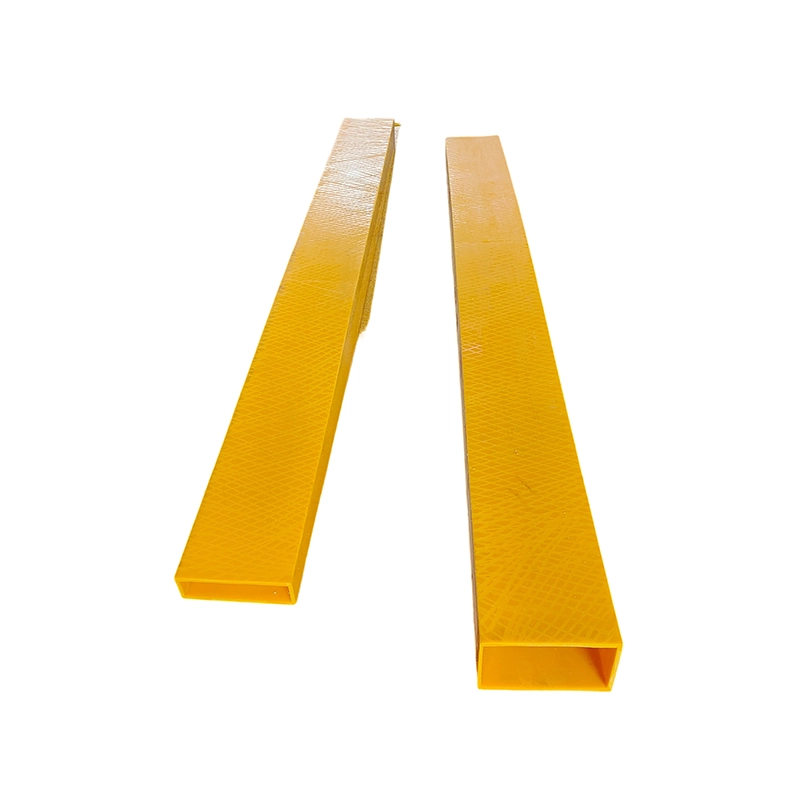
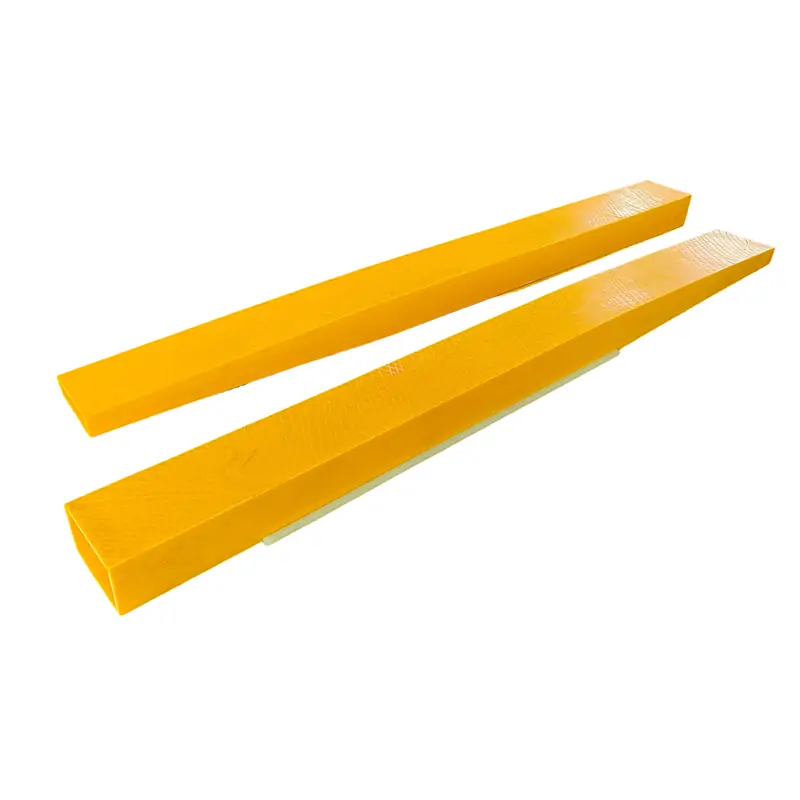
ホーム製品鋳造ウレタン部品ポリウレタン製フォークブレード保護スリーブ
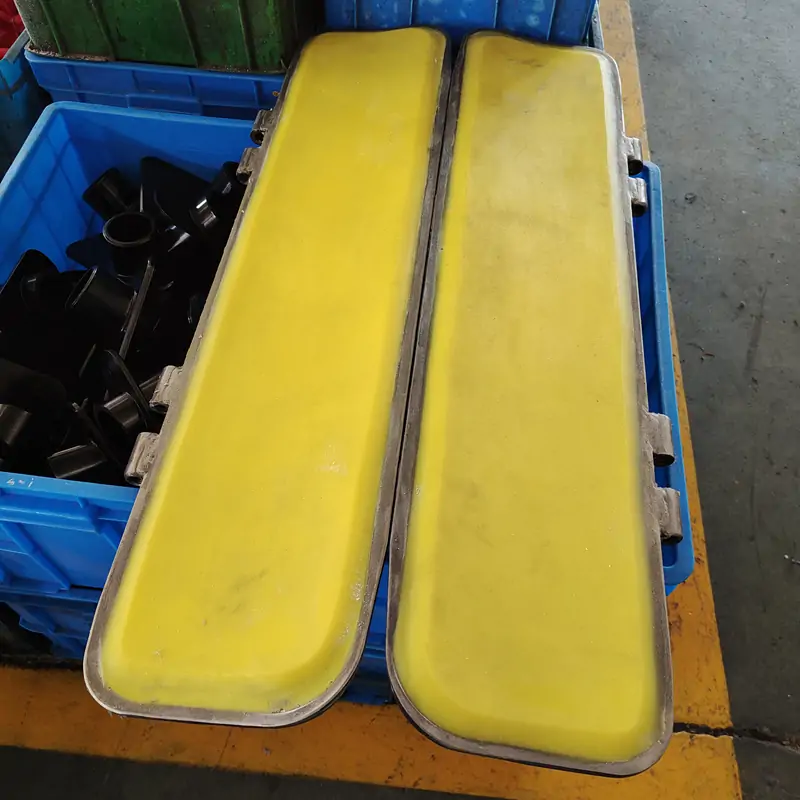
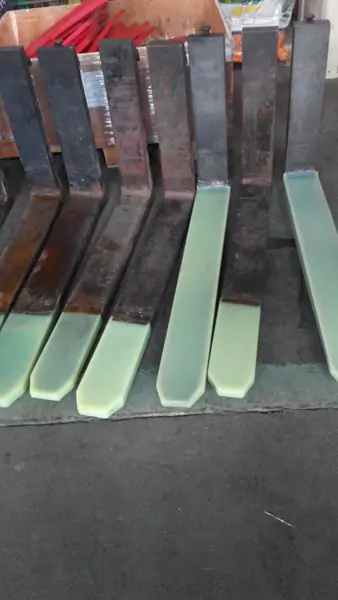
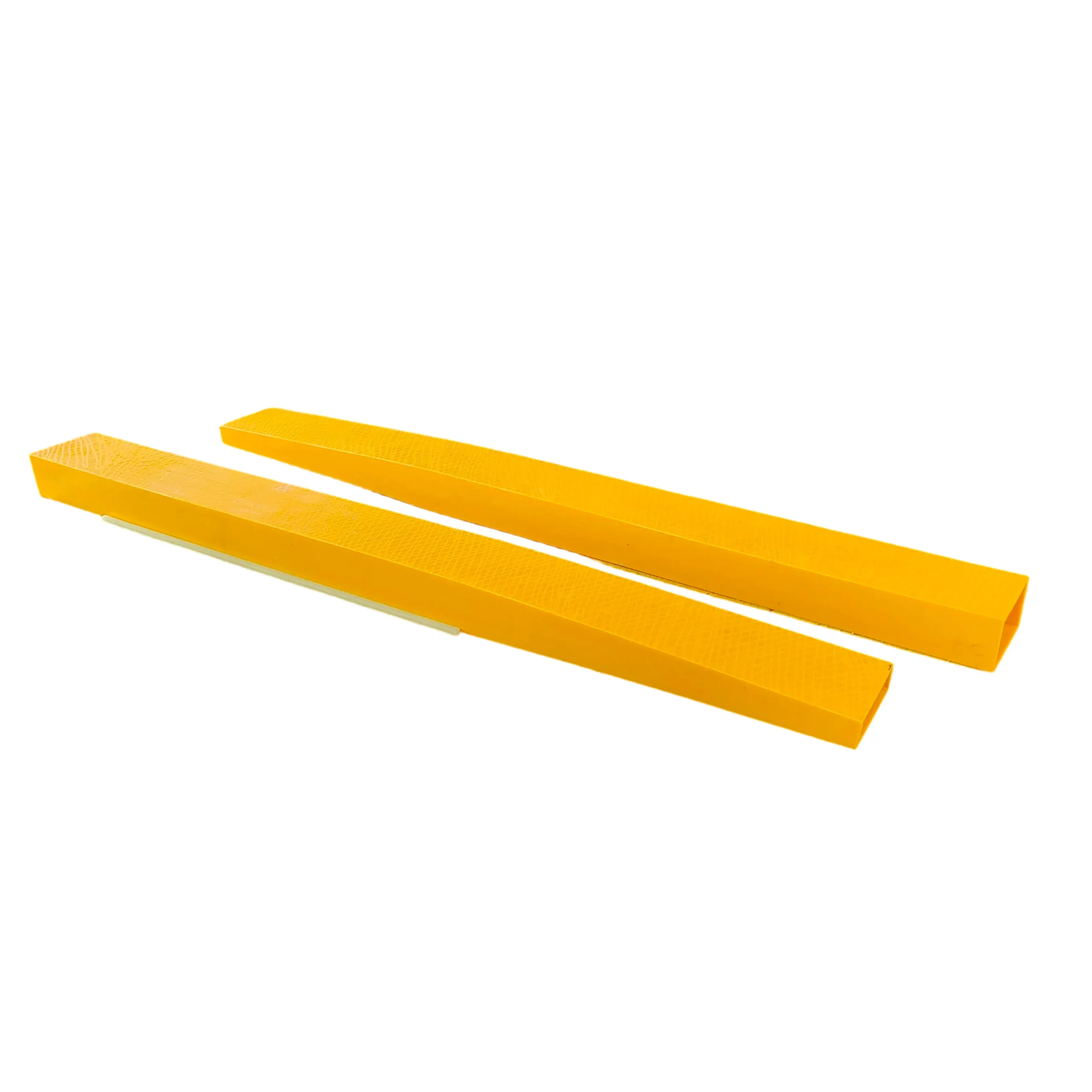
鋳造ポリウレタン製フォークリフト用フォークカバー
カスタム・ポリウレタン製・フォークブレード保護スリーブ
高耐久性ポリウレタン製フォーク保護スリーブ
鋳造ポリウレタン製フォークリフト用フォークカバー
カスタム・ポリウレタン製・フォークブレード保護スリーブ
高耐久性ポリウレタン製フォーク保護スリーブ

ポリウレタン製フォークブレード保護スリーブ

Custom Cast Polyurethane Fork Blade Protection Sleeves for Industrial Material Handling


- Cast polyurethane sleeves can cushion fork contact and protect handled goods when correctly specified and fitted.


- Hardness can be selected from load, grip, wear, impact, product-surface, and temperature requirements.


- Custom dimensions support controlled fit and retention on the measured fork profile.


- Material alternatives should be compared through representative trials and documented maintenance criteria.


- Inspection and test requirements can be agreed for dimensions, hardness, surface condition, and other project-specific criteria.


Fork contact can scratch finished products, tear packaging, deform pallets, or create maintenance work. Protection-sleeve performance depends on material grade, fit, wall thickness, load, movement, contaminants, temperature, and inspection intervals.

当社は製造しています 特注成形ポリウレタン製荷重・フォークブレード保護スリーブ for industrial マテリアルハンドリング equipment. Formulation, hardness, wall thickness, surface, dimensions, and retention can be matched to warehouse logistics, food processing, steel service centers, automotive assembly, and other applications.

polyurethane fork sleeve for material handling

OEMフォークリフト用途向け、カスタムポリウレタン製フォークブレード保護スリーブのメーカー

OEMフォークリフトメーカーや産業ユーザーには、標準的なフォークカバー以上のものが求められています。適切に 成形ポリウレタン スリーブは、フォークの寸法、作動荷重、温度条件、および摩耗環境に適合させる必要があり、これにより耐用年数を最大限に延ばしつつ、交換頻度や取り扱いによる損傷を最小限に抑えることができます。.

現代の倉庫では、まったく同じフォークが使われることはめったにありません。.

業界によって、必要な材料の配合、硬度、寸法、および耐摩耗特性は異なります。.

For custom projects, sleeve dimensions and material requirements are reviewed against the application.

カスタマイズマトリックス

仕様項目指定内容代表的な産業
硬度Selected from application data and trials倉庫業、自動車、食品
材料グレードポリエステル系PU/ポリエーテル系PU物流、冷蔵倉庫、鉱業
袖丈Custom to the measured fork and protected lengthOEMフォークリフトメーカー
フォーク幅カスタマイズ済み資材運搬機器
フォークの厚さカスタマイズ済み物流センター
壁の厚さSelected from load, clearance, fit, and wear allowance大型倉庫
黄色、黒、赤、青、緑安全識別
表面仕様滑らか / テクスチャー製紙工場、包装
動作温度Specified for the selected grade and actual duty冷蔵倉庫・屋外物流
ブランディングレーザー刻印ロゴ/成形ロゴOEM機器
パッケージング個別/一括エクスポート海外販売代理店

Polyurethane Fork Protection Sleeves for Warehouse, Logistics and Industrial Material Handling

適切なフォーク保護スリーブの選定は、価格だけでなく、使用条件によって決まります。摩耗、衝撃の頻度、積載重量、床の状態、および運搬する資材によって、長期的な性能を発揮するための最適なポリウレタンの配合と硬さが決まります。.

Cast polyurethane can be formulated and molded for different industry requirements, subject to application testing.

custom OEM polyurethane fork cover

倉庫物流

  • パレット輸送中は、完成した段ボール箱を保護してください。.
  • パレットの破損を減らす。.
  • メンテナンスの頻度を減らす。.
  • 複数シフト制で稼働する物流センターに最適です。.

飲食

  • 跡が残らないポリウレタンがプラスチック容器を保護します。.
  • 衛生管理が求められる物流環境に適しています。.
  • 倉庫で一般的に使用される洗浄用化学薬品に対して耐性があります。.

自動車製造

  • 塗装されたボディパネルの傷を防ぐ。.
  • エンジンや精密加工部品を保護します。.
  • 美容整形における拒絶反応の発生率を低減する。.

鉄鋼サービスセンター

  • コーティングされた鋼板を保護してください。.
  • 金属同士の接触を減らす。.
  • 亜鉛メッキおよび塗装済みの鋼製品に適しています。.

木材・家具

  • 仕上げ済みの木材のインデントを最小限に抑える。.
  • 輸送中の端部の損傷を防ぐ。.
  • 高級家具メーカーの取り扱い品質を向上させる。.

紙・包装

  • 紙ロールの表面の損傷を防ぎます。.
  • 完成した包装資材の取り扱いを改善する。.
  • 顧客からの品質に関する苦情を減らす。.

冷蔵施設

一貫した品質を保つ、オーダーメイドのポリウレタン製フォーク保護スリーブの製造方法

ポリウレタンスリーブの耐久性は、原材料の選定と同様に、製造工程の厳格さにも大きく左右されます。鋳造、硬化、寸法検査を厳密に管理し、品質記録のトレーサビリティを確保することで、ロット間のばらつきを低減し、過酷な産業用途における長期的な性能を向上させることができます。.

Material selection and manufacturing controls both influence sleeve quality.

Production stages can influence hardness, dimensions, surface condition, bonding, and material consistency.

ステップ1 — 原材料の検査

生産開始前に、入荷した原材料について以下の点を確認します:

  • サプライヤーのロット番号
  • 湿度状況
  • 保存履歴
  • 外観
  • 保存期間

承認された材料のみが生産工程に投入されます。.

ステップ2 — 調合の準備

材料の選定 以下に依存します:

  • 耐荷重
  • フォークの寸法
  • 動作温度
  • 摩耗条件
  • 化学物質への曝露

代表的な配合例としては、次のようなものがあります:

  • 最高の耐摩耗性を実現するポリエステル・ポリウレタン
  • 湿気や低温の環境向けのポリエーテルポリウレタン

ステップ3 — 高精度金型製造

金型の精度は、以下の点に直接影響します:

  • 袖のフィット感
  • 設置力
  • 寸法安定性
  • 表面品質

加工前には、公差要件が確認されます。.

ステップ4 — 真空鋳造

気泡は内部の脆弱性を生じさせる。.

真空鋳造により、以下の点が軽減されます:

  • 空隙
  • 表面欠陥
  • 内部気孔率

to support more uniform material properties.

Step 5 — Controlled Curing. Improper curing may cause:

  • 柔らかい表面
  • 硬度のばらつき
  • 永久変形

当社の硬化工程では、材料の配合に基づき、温度と時間のプロファイルを厳密に管理しています。.

ステップ6 — 加工の仕上げ

必要に応じて、スリーブに機械加工を施し、以下の要件を満たします:

  • 内径の精度
  • 肉厚の均一性
  • 表面仕上げの要件

ステップ7 — 最終検査

The agreed inspection plan may include:

  • 目視検査
  • 寸法測定
  • 硬度の確認
  • 表面欠陥検査
  • パッケージングの検証

- カスタム成形ポリウレタン製品の製造において、どのように品質管理を行っているのか?

Application Examples for Custom Polyurethane Fork Sleeve Selection and Validation

Successful fork protection projects match polyurethane formulation, hardness, geometry, and retention to actual operating conditions. The following application examples show what to review and how to validate a candidate design without assuming a universal result.

Application Example 1 – Warehouse Automation

用途

Electric forklifts handling packaged goods in a warehouse automation system.

Observed Condition

Existing rubber fork covers were used on electric forklifts handling packaged goods.

Conditions to document include:

  • 運転中にフォークカバーがずれる
  • 段ボールの表面の損傷
  • 頻繁なスリーブの交換
  • 保守作業の労力増加

Operating data to record:

  • Shift pattern
  • Daily operating hours

Engineering Review

Review the fork profile, load, product surface, schedule, and retention needs before selecting:

Validation Checks

During a representative trial, record whether:

  • Track sleeve wear and replacement frequency.
  • Track product-surface damage observations.
  • Set fork inspection intervals from risk and observed condition.
  • Record maintenance time and replacement triggers.

Standardize the sleeve design only after fit, wear, load handling, and product-surface checks are accepted.

Application Example 2 – Steel Service Center

用途

Forklifts handling painted and galvanized steel products.

Observed Condition

塗装面や亜鉛メッキ処理が施された鋼板が、輸送中に傷がついていました。.

The fork condition and product-surface damage should be documented separately.

Engineering Review

Evaluate material grade, hardness, wall thickness, edge support, and replacement access, including:

  • 耐摩耗性に優れた鋳造ポリウレタン
  • Hardness selected from load, abrasion, and impact requirements
  • エッジ補強の強化
  • 交換可能なスリーブ構造

Validation Checks

During a representative trial, check whether:

  • Inspect product surfaces for marks or scratches.
  • Measure wear pattern and remaining wall thickness.
  • Continue fork inspections according to the equipment maintenance plan.
  • Review whether one validated sleeve design can cover the intended fork variants.

Application Example 3 – Cold-Storage Handling

用途

Forklifts and handling systems used in refrigerated or washdown areas.

Observed Condition

Existing sleeves showed reduced flexibility or cracking in refrigerated service.

動作条件:

  • Record the minimum operating and storage temperature
  • 頻繁な洗浄作業
  • 毎日の湿気へのさらされ

Engineering Review

Review the minimum temperature, moisture, cleaners, load, and required flexibility before selecting:

  • ポリエーテル系キャストポリウレタン
  • ガラス転移温度の低い配合
  • Hardness selected from temperature, flexibility, and load requirements
  • 耐湿性材料システム

Validation Checks

During a representative trial, check whether:

  • Measure flexibility and fit at the required low temperature.
  • Inspect for cracking after repeated cold-service cycles.
  • Set maintenance intervals from the trial and risk assessment.
  • Approve the revised formulation only after application-specific acceptance criteria are met.

フォークリフトに適したポリウレタン製フォーク保護スリーブの選び方

適切なフォークスリーブを選定するには、入手可能な最も硬い材料を選ぶのではなく、使用条件を評価する必要があります。積載重量、床の状態、温度、搬送する製品、およびメンテナンスの想定など、これらすべての要素が材料の選定やスリーブの設計に影響を与えるべきです。.

ステップ 1 – 動作環境の確認

次の質問をしてみてください:

  • 屋内での使用か、屋外での使用か?
  • 乾燥した状態か、湿った状態か?
  • 油や化学物質にさらされたことはありますか?
  • 冷蔵用途?
  • 衝撃の強い取り扱い?

これらの要因によって、ポリエステル系ポリウレタンとポリエーテル系ポリウレタンのどちらがより適しているかが決まります。.

ステップ 2 – 荷重特性を特定する

重要な情報には、以下のものが含まれます:

  • 最大積載量(kg)
  • 負荷周波数
  • パレットの種類
  • 製品の表面感度

大型鉄鋼製品には、完成品の家具や食品包装とは異なる材料特性が求められます。.

ステップ3 – 適切な硬度を選択する

一般的な技術上の推奨事項:

労働条件推奨硬度
壊れやすい商品Prioritize cushioning and surface compatibility
倉庫での一般的な荷役作業Balance grip, wear, fit, and load
大型物流Evaluate load, impact, clearance, and wear
工業用研磨用途Evaluate abrasion, bending, impact, and product contact

最も硬度の高いものを選ぶことが、必ずしも最善の解決策とは限りません。硬度が過度になると、衝撃吸収性が低下し、繊細な製品にかかる負荷が増大する可能性があります。.

ステップ4 – フォークの寸法を確認する

以下を提供してください:

  • フォーク幅(mm)
  • フォークの厚さ(mm)
  • フォークの長さ(mm)

特注の寸法により、フィット感が向上し、作業中の袖のずれが軽減されます。.

ステップ5 – 予想耐用年数について話し合う

設計目標は用途によって異なります。.

通常、以下の点について話し合います:

  • 予定されているメンテナンス間隔
  • 年間の営業時間
  • 代替戦略
  • 予備部品の計画

この情報は、単に耐摩耗性を最大化するのではなく、最も費用対効果の高い配合を決定するのに役立ちます。.

  • How should polyurethane, rubber, and nylon be compared for fork protection sleeves?

    Compare specific grades for abrasion, tear behavior, cushioning, friction, temperature, chemical exposure, marking risk, fit, and cost. No material is universally superior; test representative sleeves with the actual fork, load, product surface, and operating conditions.

  • How is polyurethane-to-metal bond integrity controlled?

    Bond integrity depends on core design, cleaning, surface preparation, bonding system, casting, cure, edge geometry, load, and environment. Define the expected failure mode and inspection or test requirement; no bond should be guaranteed without application data and validation.

  • How is non-marking performance checked for polished or painted products?

    Request a non-marking formulation and test it on the actual aluminum, glass, paint, or other finish under representative load, sliding, temperature, cleaners, oils, and dwell time. Inspect for residue, color transfer, indentation, and scratches before production approval.

  • How are thickness and hardness selected for heavy-duty fork sleeves?

    Use load, fork profile, contact area, available clearance, product sensitivity, impact, sliding, temperature, and wear allowance to select wall thickness and hardness together. Confirm fit, deformation, grip, and product protection with a representative trial.

  • What compliance or electrical requirements can be specified for polyurethane sleeves?

    Food-contact, restricted-substance, antistatic, or electrical requirements depend on the exact formulation, test method, supplier records, destination market, and application. State the required standard and acceptance limits before quotation, then review the applicable declarations or test reports for the selected material.

  • How are protection sleeves retained on forklift tines?

    Retention may use a controlled interference fit, mechanical stop, fastener, or another design approved for the fork and duty. Provide blade width, thickness along the taper, length, tip profile, clearances, load direction, and operating movement, then verify installation and removal on the actual fork.

  • Can fork sleeves affect forklift capacity, clearance, or load center?

    A sleeve adds thickness and may change clearance, load position, visibility, grip, and handling. Confirm the proposed sleeve with the forklift, fork, and attachment manufacturers and the site safety authority; never operate outside the equipment rating or approved handling procedure.

見積もりを取る

関連商品

お問い合わせは無料