



As engineers specializing in custom polyurethane solutions at PEPSEN, we frequently encounter questions about material selection for industrial applications. The terms "polyether urethane" and "polyurethane" are often used interchangeably, but there are important nuances. Strictly speaking, polyether urethane (also known as polyether polyurethane or polyether PU) is a specific subtype of polyurethane. Polyurethane (PU) is a broad family of polymers formed by reacting isocyanates with polyols, and it encompasses two primary categories: polyether-based and polyester-based.
In this article, we'll clarify the distinction, compare polyether urethane to the broader polyurethane category (with emphasis on polyester urethane as the common alternative), and provide practical engineering guidance based on real-world performance data.
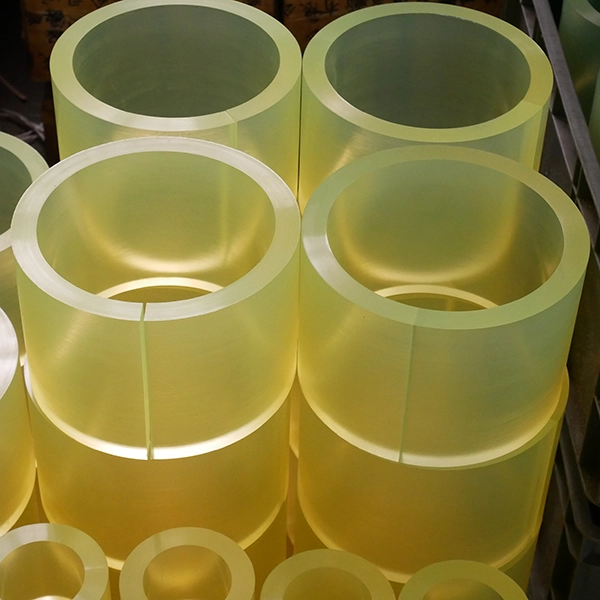
Understanding Polyurethane Basics
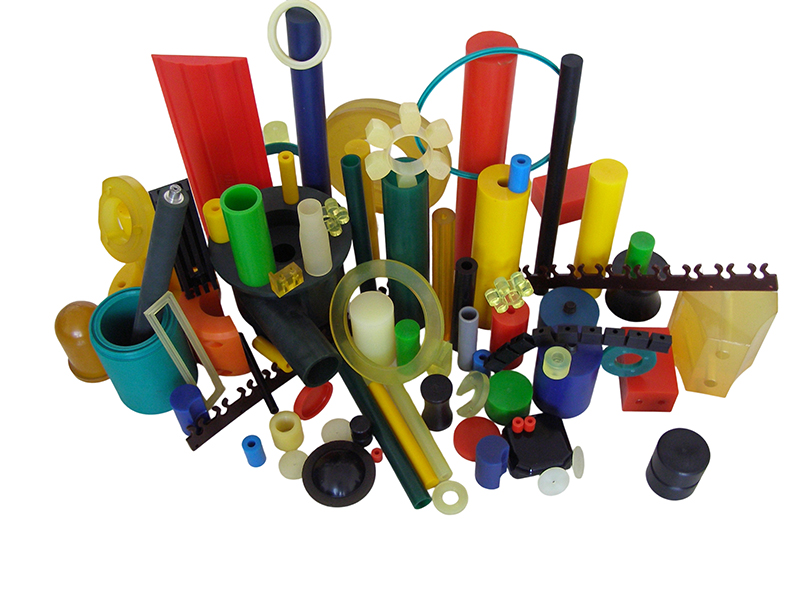
Polyurethane elastomers are versatile materials valued for their excellent abrasion resistance, load-bearing capacity, elasticity, and chemical customization. They are widely used in custom molded parts, wheels, rollers, bushings, and linings across industries like mining, automotive, oil & gas, and material handling.
PU can be classified into:
- Polyether-based polyurethane (polyether urethane)
- Polyester-based polyurethane (polyester urethane)
There is no "generic" polyurethane without one of these backbones—most commercial cast urethanes fall into one category or the other. For a deeper dive, see our guide on polyether urethane properties and applications.
Key Differences: Polyether Urethane vs. Polyester Urethane
The primary difference stems from the polyol used:
- Polyether urethane uses polyether polyols (e.g., PTMEG or PPG).
- Polyester urethane uses polyester polyols (e.g., adipate esters).
This leads to distinct performance profiles. As we've detailed in our guide to polyether urethane, neither type is universally "better"—the right choice always depends on your operating environment (moist/humid conditions favor polyether; dry/oily ones may suit polyester).
| Property | Polyether Urethane (Polyether PU) | Polyester Urethane (Polyester PU) |
|---|---|---|
| Hydrolysis Resistance | Excellent – Resists moisture, humidity, and water immersion | Poor – Susceptible to degradation in wet conditions |
| Abrasion Resistance | Good (superior in impingement/dynamic applications) | Excellent (superior in sliding/scraping applications) |
| Chemical/Oil Resistance | Good (resists weak acids/bases, fungi) | Superior (resists oils, fuels, solvents) |
| Tear & Tensile Strength | High | Slightly higher initial values |
| Low-Temperature Flexibility | Excellent (remains flexible below freezing) | Good, but stiffens more in cold |
| Heat Aging Resistance | Good | Better (withstands prolonged high temperatures) |
| Dynamic Performance | Superior (lower heat buildup in high-speed/flexing) | Good |
| Service Life (Typical) | 5+ years in demanding environments | 2-3 years in similar conditions |
| Cost | Slightly higher | Generally lower |
Engineering Recommendations: When to Choose Polyether Urethane
From an engineering standpoint, polyether urethane is often the preferred choice for most industrial applications requiring longevity and environmental resilience. Its superior hydrolytic stability makes it ideal for:
- Humid or wet environments (e.g., marine, paper mills, food processing)
- Outdoor or cold conditions
- Dynamic loading (e.g., high-speed rollers, vibration dampening)
Examples from our experience at PEPSEN:
- Pipeline pigs and mud pump pistons in oil & gas, where polyether PU lasts 2x longer than alternatives.
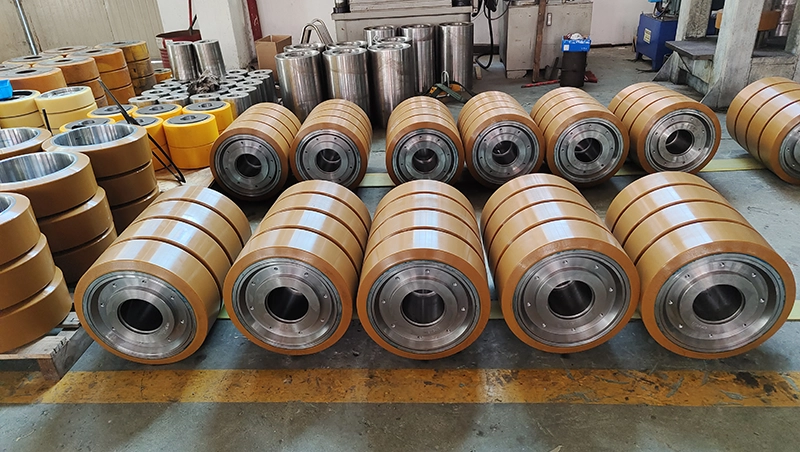
- Custom wheels and rollers in logistics, benefiting from reduced downtime.
Polyether urethane justifies its marginally higher cost through lower maintenance and extended component life.
When Polyester Urethane May Be Suitable
Opt for polyester urethane in dry, oil-rich environments, such as:
- Hydraulic systems exposed to petroleum oils
- Applications with high sliding abrasion (e.g., chute liners, scraper blades)
However, avoid it in moist conditions due to risk of hydrolysis.
Wrapping It Up – My Take After Years on the Shop Floor
After working on hundreds of polyurethane projects here at PEPSEN, I've seen it time and again: when in doubt, go with polyether urethane. It simply holds up better in the messy, real-world conditions most equipment faces—moisture, temperature swings, constant flexing. Polyester has its niche (dry, oily environments where cost is king), but for 80% of the applications we quote, polyether is the safer, longer-lasting bet.
If you're specifying parts right now and unsure which way to lean, drop us a message. Tell us about your operating conditions, loads, and expected service life—we'll review your drawings, recommend the exact formulation (polyether or polyester, hardness, additives), and even run small-batch prototypes if needed. We've been doing this for over 20 years; let our experience save you from costly trial-and-error.
Reach out anytime at PEPSEN—we're here to help you get it right the first time.