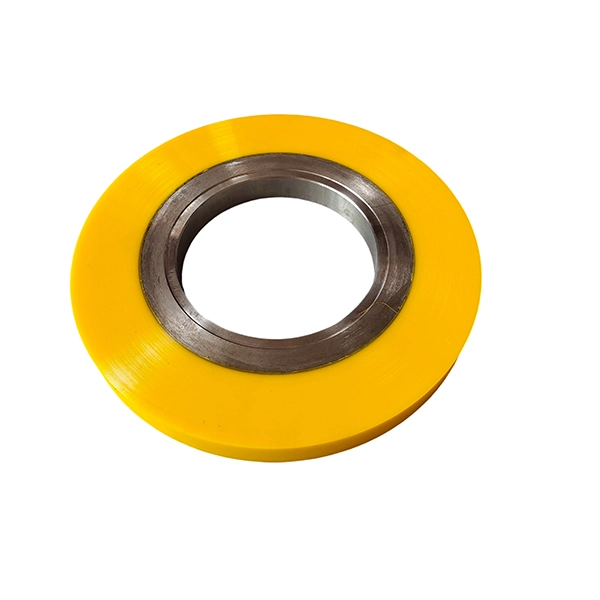
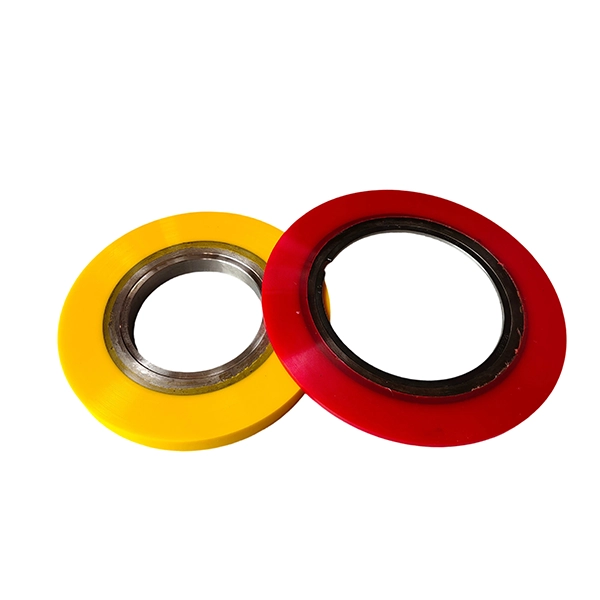
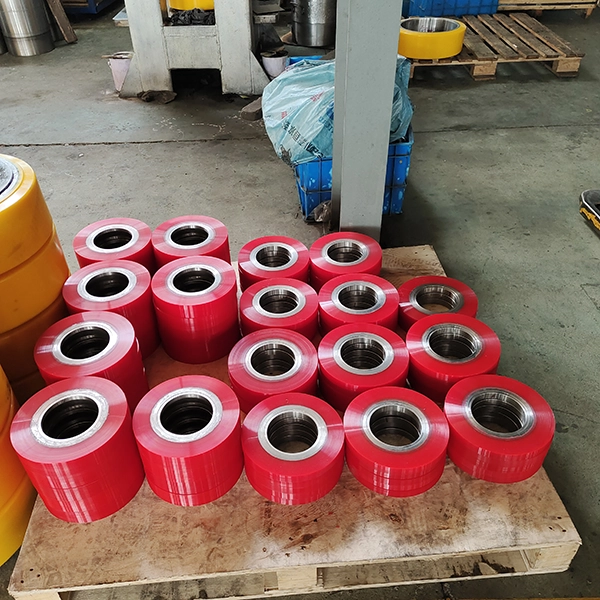
Slitting line operators often face persistent issues such as spacer ring deformation, uneven knife spacing, and unexpected production downtime caused by wear-prone rubber components. In continuous steel and aluminum coil processing environments operating at 200–350 m/min, even a dimensional deviation as small as 0.1 mm can accumulate into cutting inaccuracies, increased scrap rates, and unstable strip width control.
Polyurethane slitter spacer rings are engineered to eliminate these stability failures by maintaining consistent geometry under cyclic compression loads and thermal exposure up to industrial operating ranges of approximately 60–80°C. Unlike rubber or TPU alternatives, polyurethane retains elastic modulus stability under long-term stress conditions, improving knife alignment accuracy, reducing maintenance frequency, and lowering total cost of ownership in high-demand slitting applications.
OEM Custom Polyurethane Slitter Spacer Rings for Industrial Slitting Systems
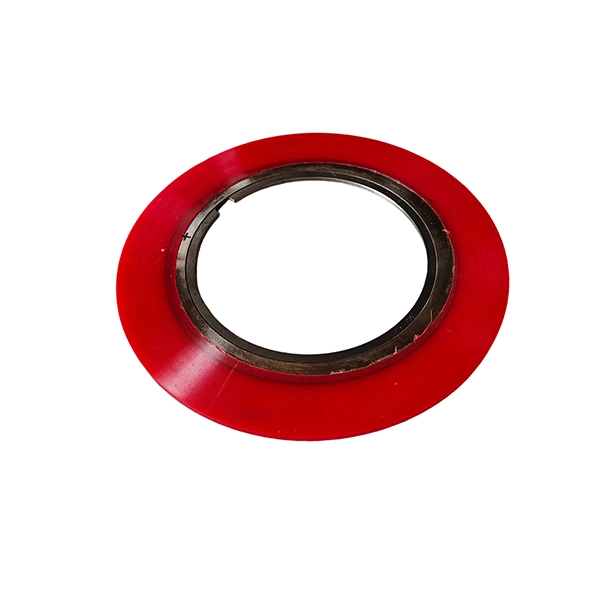
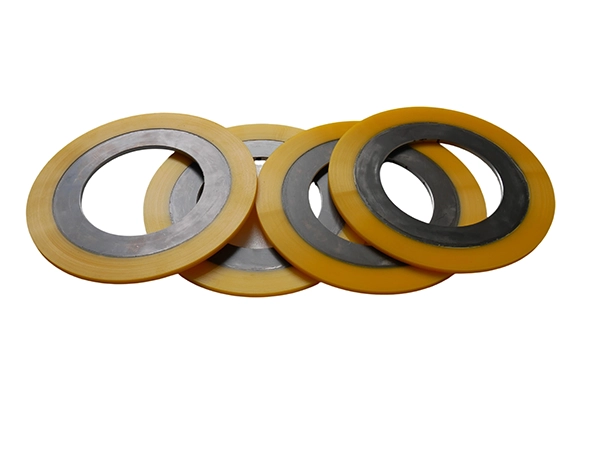
Polyurethane slitter spacer rings can be customized to match specific slitting machine configurations, material types, and operating conditions. Engineering adjustments ensure compatibility with high-load, high-speed industrial environments while maintaining dimensional accuracy and wear resistance.
Parameter
Typical Range
Application
Thickness
5mm – 50mm
Precision metal slitting, coil processing lines
Shore Hardness
70A – 95A
Heavy-load slitting, low-vibration operations
Inner Diameter
30mm – 200mm
Industrial slitter shafts, custom equipment
Outer Diameter
50mm – 300mm
Steel/aluminum coil slitting, packaging material slitting
These spacer rings are widely used in steel coil slitting lines where consistent knife spacing directly affects strip width accuracy and scrap rate control. They are designed to maintain performance under continuous load and vibration conditions.
– Used in steel coil slitting lines operating at 200–350 m/min
– Maintains stable spacing under 4–5 MPa contact stress
– Reduces deformation compared to rubber-based spacers
– Improves cutting uniformity across long production cycles
Advantages of Polyurethane Slitter Spacer Rings
Polyurethane outperforms rubber and low-grade TPU in slitting applications, offering a balance of durability and functional performance.
– Maintains dimensional stability under typical slitting loads (5–20 MPa)
– Low coefficient of friction reduces blade wear and energy consumption
– Resists hydrolysis and coolant degradation in wet operating environments
– Flexible enough to absorb vibration, yet rigid for precise spacing
– Consistent batch-to-batch tolerance control (±0.05mm typical)
Our OEM Capability For Slitter Spacer Rings
We provide full OEM customization, matching your equipment specifications and quality requirements for seamless integration.
– Accept custom drawings and CAD files for precise fit
– Flexible production runs, from small trial batches to large-scale orders
– ISO 9001 certified production process for consistent quality
– Technical support to select optimal material and hardness
– Fast lead times (7–10 days for samples, 12–20 days for bulk)
Case Studies: Steel Coil Slitting Line Downtime Reduction
A steel coil processor operating a continuous slitting line experienced frequent downtime due to rubber spacer deformation under high load conditions. The original components showed dimensional drift after 18–22 days of operation.
After replacing with polyurethane slitter spacer rings, maintenance cycles were extended significantly, and cutting stability improved under continuous production load.
Results:
Service life increased from ~20 days to 60+ days (industry range)
Downtime reduced by approximately 50–65%
Improved stability under ~5 MPa operational load
Reduced knife alignment deviation below 0.05 mm range
Proper selection depends on load condition, material type, and machine operating speed. Incorrect hardness selection or tolerance selection can lead to premature wear or spacing instability.
Step 1: Identify Load Condition
Light load: 3–4 MPa
Heavy load: 4–6 MPa
Step 2: Select Hardness
85–90 Shore A for aluminum
90–95 Shore A for steel
Step 3: Define Tolerance Requirement
Standard slitting: ±0.02 mm
Precision slitting: ±0.01 mm
Step 4: Confirm Operating Speed
Standard: 150–250 m/min
High-speed: 250–350 m/min
Common Failure Modes Of Slitter Spacer Rings
Most spacer failures stem from improper material selection, poor fit or operating conditions—easily avoidable with engineering guidance.
Compression Set: Occurs when PU loses elasticity under long-term compression, leading to permanent deformation and uneven spacing. Typical in low-quality PU with insufficient cross-link density.
Abrasion Wear: Caused by friction with slitter blades or coil edges, reducing thickness and precision. More common in dry slitting without proper lubrication.
Thermal Softening: High slitting speeds (>120 m/min) generate heat, softening PU and causing temporary
What are polyurethane slitter spacer rings used for?
Polyurethane slitter spacer rings are used in slitting lines to maintain precise knife spacing and ensure consistent strip width during coil processing. They stabilize mechanical alignment under continuous load conditions in steel, aluminum, and film slitting systems.
What hardness (Shore A) is suitable for slitting applications?
Typical industrial range is 85–95 Shore A. Lower hardness improves damping for aluminum processing, while higher hardness provides better stability under steel coil slitting loads and higher contact stress conditions.
How long is the service life compared to rubber spacer rings?
In industrial slitting environments, polyurethane spacer rings typically last 3–5 times longer than rubber due to higher abrasion resistance and lower compression set under continuous operation.
Can polyurethane spacer rings reduce downtime?
Yes. By reducing wear deformation and maintaining dimensional stability, polyurethane spacer rings can significantly extend maintenance intervals, typically reducing unplanned downtime in slitting lines by 30–60% (industry range).
Are these spacer rings suitable for high-speed slitting lines?
Yes. They are designed for continuous operation in slitting lines running approximately 200–350 m/min, maintaining stability under dynamic vibration and cyclic mechanical stress.
What causes spacer ring failure in slitting systems?
Common failure modes include compression set accumulation, abrasive wear, and thermal softening. These factors lead to dimensional drift, knife misalignment, and reduced cutting accuracy over time.
What is the operating temperature range?
Polyurethane spacer rings typically operate in a range of -30°C to 80°C, depending on formulation. Higher temperatures may accelerate material fatigue in low-grade elastomers.
How do you deal with after sales service?
We will response in 24 hours with solutions such as replacement or reworking.