




NDI-Based Polyurethane for Dynamic Industrial Components
NDI-based polyurethane is one option for wheels, rollers, buffers and other components exposed to repeated loading. Its suitability depends on the complete formulation, processing, geometry and operating conditions; it should be compared with MDI-, TDI-, rubber- and thermoplastic-based alternatives using application data.
I. Abrasion and Rolling-Contact Wear
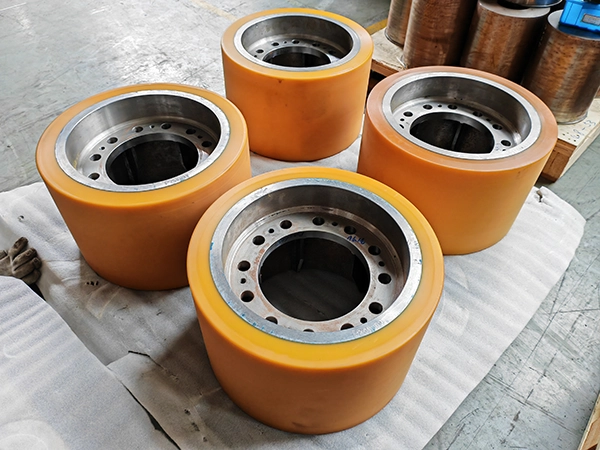
NDI-based systems can be formulated for demanding abrasion and rolling-contact applications, but chemistry alone does not determine wear life. Counterface, load, slip, debris, speed, temperature, hardness and finishing all influence the result.
For mining rollers, document the ore or dust, radial load, speed, contact pressure, moisture and failure pattern before comparing materials.
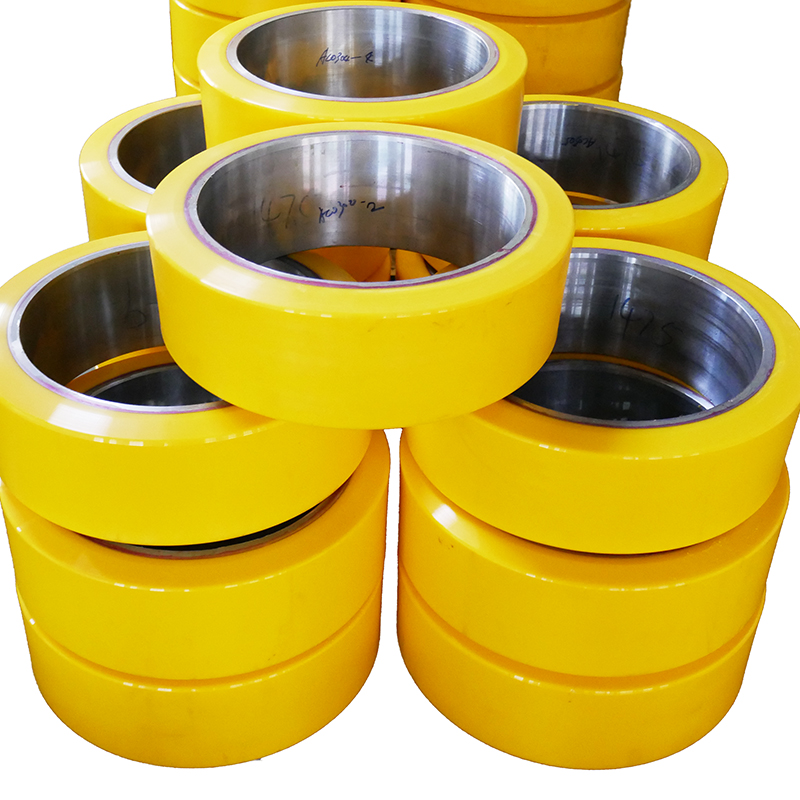
For monorail friction-drive wheels, specify track material, wheel load, torque, speed, tread profile, hardness tolerance and allowable wear. Validate traction and temperature in a controlled service trial.
II. Dynamic Load, Fatigue and Heat Build-Up
Repeated compression generates heat through hysteresis. The selected polyurethane system, tread thickness, wheel diameter, speed, load and cooling time must work together so internal temperature and fatigue remain within the validated range.
For vibrating or impact equipment, measure frequency, amplitude, peak load, temperature and deformation. A prototype should be inspected for cracking, bond damage, compression set and dimensional change after a defined number of cycles.
For high-speed rollers, define runout, surface finish, nip load, line speed and temperature-monitoring points. Stable pressure and tracking require both material selection and controlled finishing.

III. Chemical, Hydrolysis and Outdoor Exposure

Resistance to oils, hydraulic fluids, solvents, acids, water, UV exposure and temperature is grade-specific. Provide the exact medium, concentration, continuous and peak temperature, exposure time and cleaning cycle for compatibility review.
For hydraulic seals and protective components, test volume change, hardness change and mechanical performance in the actual fluid. Seal geometry, pressure, movement and extrusion gap are also critical.
For outdoor pads and wheels, request information on UV stabilization, water exposure, ozone, load and temperature cycling. Use an agreed weathering or service-trial method rather than a fixed lifetime promise.
IV. Custom Design and Processing Requirements
A custom NDI-based part starts with the drawing and duty cycle. Formulation, tooling, bonding, cure, machining and inspection must be planned together.
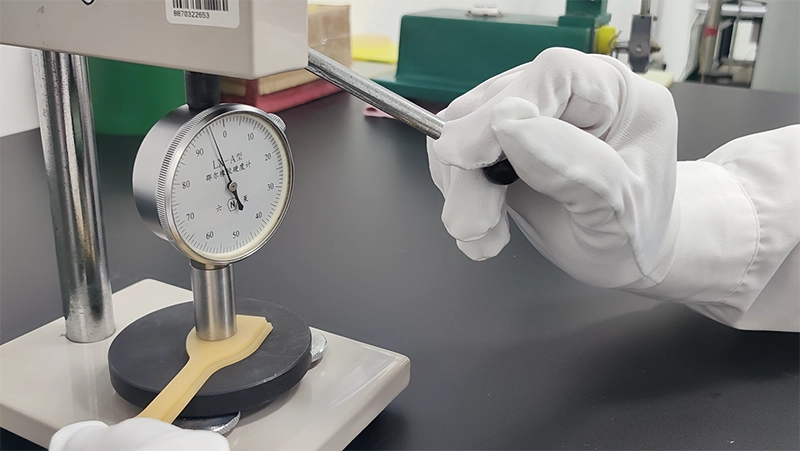
- Hardness and formulation: Select from load, deformation, traction, damping, temperature and wear requirements; confirm the grade-specific tolerance.
- Geometry: Provide dimensions, tolerances, edge conditions, grooves, bonded-core details and any critical stress concentration.
- Surface finish: Define roughness, texture, grinding, runout and friction requirements on the approved drawing.
For food-processing equipment, suitability requires a documented formulation and review of the intended contact, temperature and cleaning conditions. Do not infer food-contact compliance from polyurethane chemistry alone.
V. Supplier Evidence and Project Definition
Ask the supplier to document the proposed material, batch controls, bonding process, cure, dimensional inspection and any test data used for the recommendation.
Engineering review: Share the drawing, current failure evidence and operating data so the design can be checked before tooling.
Sample plan: Confirm sample availability, cost, lead time, trial conditions and acceptance criteria on the quotation.
Schedule: Tooling, material availability, sample approval, quantity, finishing and inspection determine the project lead time.
Request an NDI-Based Polyurethane Review
Send the part drawing or sample, load, speed, cycle rate, continuous and peak temperature, fluids, wear mechanism, required hardness or deformation, quantity and the current failure mode. PEPSEN can compare material options and propose a validation plan.