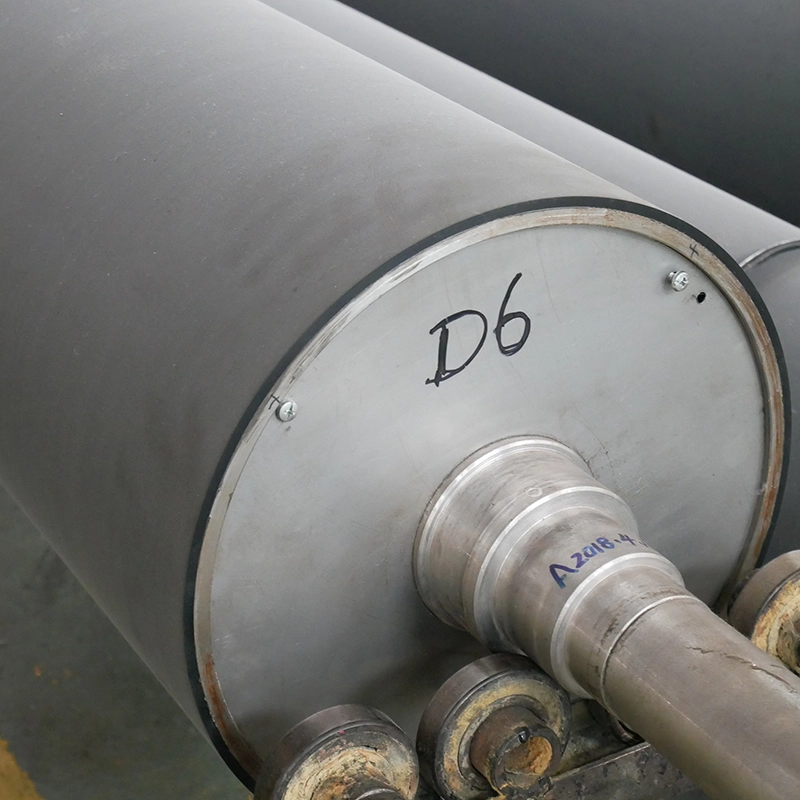
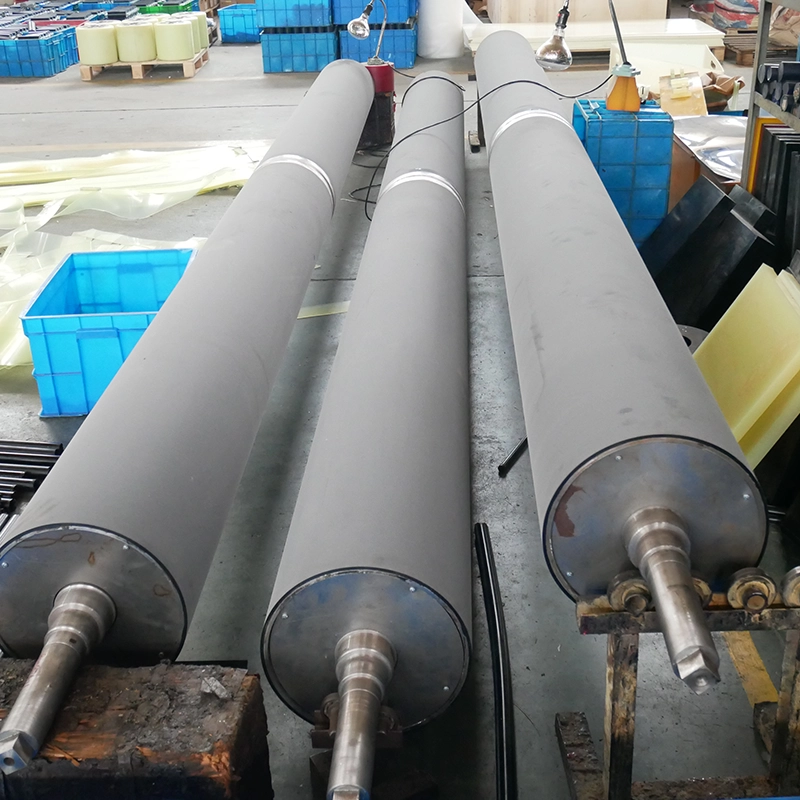
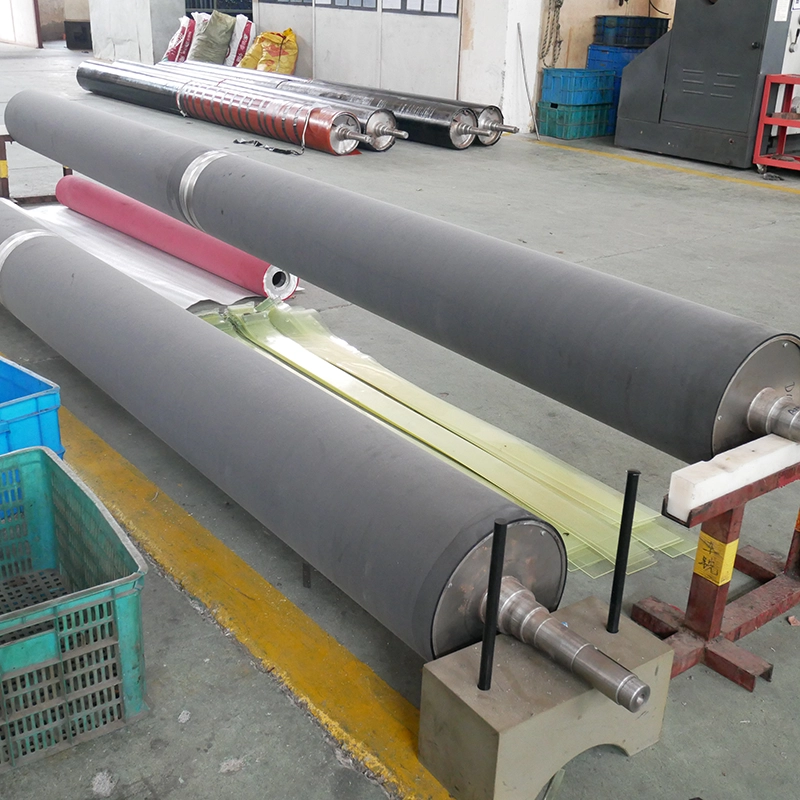
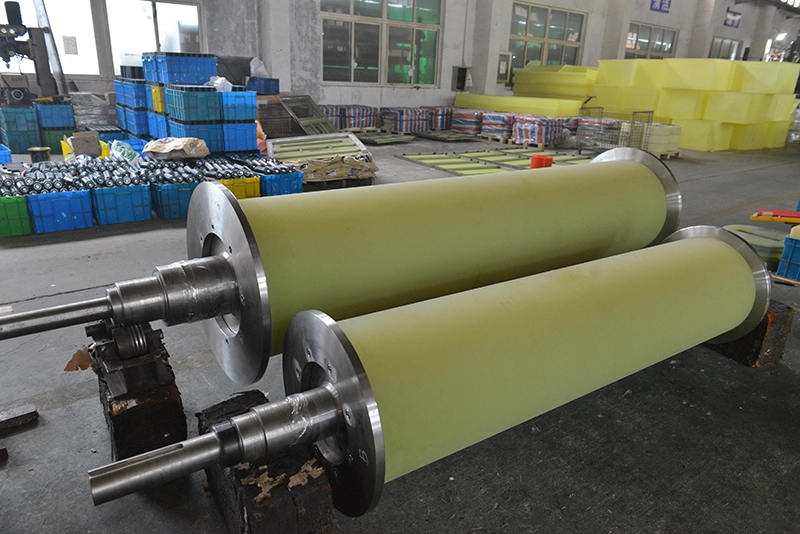
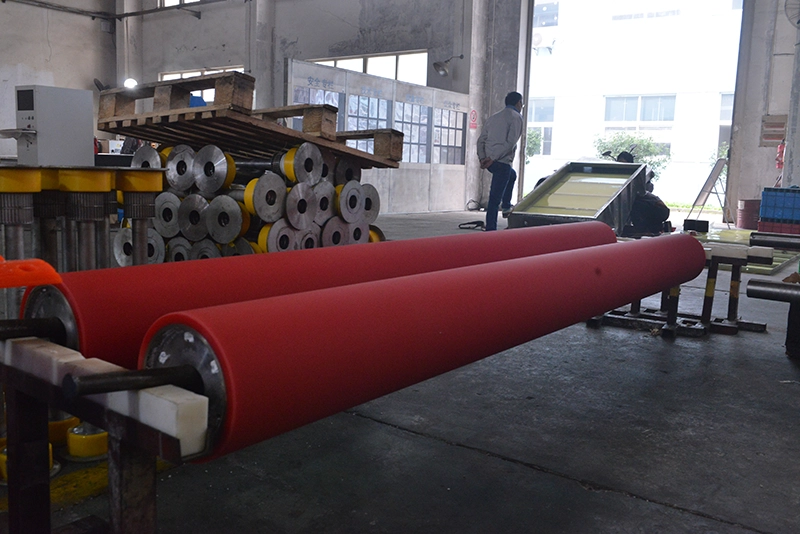
Premature roller failure rarely starts with complete breakdown. In most industrial facilities, the warning signs appear first as excessive wear, glazing, tracking instability, vibration, or bond separation. Conveyor systems, mining equipment, automated warehouses, and packaging lines often experience production interruptions because rollers selected on purchase price alone cannot survive the actual operating environment. For maintenance managers and procurement teams, the true expense is not the roller itself but the downtime, emergency repairs, and production losses that follow.
As a manufacturer focused on cast polyurethane rollers, we engineer roller systems around real operating conditions rather than catalog specifications. Using cast polyurethane formulations ranging from 30A to 75D Shore hardness, roller diameters from 30 mm to 800 mm, and customized steel core constructions, we help OEM manufacturers and industrial operators improve wear life, load distribution, and equipment reliability. Our solutions are designed for applications where failure costs far exceed component costs.
Customization Options for Industrial Cast Polyurethane Rollers
This matrix lists all field-proven cast PU roller custom parameters, matching hardness, core material and dimension options to mining, printing, packaging and steel mill long-tail search requirements.
사용자 지정 매개변수
Realistic Available Range
Target Industrial
PU 경도
30 Shore A – 75 Shore D
printing press drive rollers, light logistics transport rollers, heavy mining load rollers
slip-proof bag conveying rollers, film laminating release rollers, brick factory traction rollers
Custom Length
20mm – 6000mm overall shaft length
short precision printing machine rollers, long continuous production conveyor rollers
Cast Polyurethane Rollers for Equipment and Material Handling Systems
Cast polyurethane rollers are widely used where conventional rubber rollers experience excessive wear, compression set, or dimensional instability. Properly engineered polyurethane systems can significantly reduce maintenance frequency and improve overall equipment availability.
Why Cast Polyurethane Rollers Outperform Standard Rubber Rollers?
The advantage of cast polyurethane comes from balancing abrasion resistance, elasticity, and load-bearing capacity within a single engineered material system. Many lower-cost alternatives improve one property by sacrificing another.
– Taber abrasion weight loss only 42mg at 10N load, vs 218mg for standard industrial rubber
– No surface delamination under cyclic temperature swings from -40°C to 120°C
– Low dynamic friction coefficient (0.31) reduces motor power consumption by 19% on conveyor lines
– Resists oil, weak acid and solvent erosion that rapidly degrade cheap injection TPU rollers
OEM Cast Polyurethane Roller Manufacturer with ISO-Certified Production
Industrial buyers evaluating suppliers should focus on process control, batch consistency, traceability, and engineering support. Most roller failures originate during manufacturing rather than during operation.
Real OEM Industrial Cast Polyurethane Roller Case Studies
Three verified 2025 client cases include lab test contrast data, specific factory pain points and quantifiable operational savings from switching to our vacuum cast PU rollers.
Step-by-Step Cast Polyurethane Roller Selection Guide For Engineers & Procurement
This step-by-step guide matches working load, temperature, surface contact material and cycle count to select correct cast PU hardness, core and surface finish for zero premature roller failure.
Step 1: Confirm maximum dynamic load & continuous operating temperature
– <800kg load, -10°C to 70°C standard environment: Select 85–95 Shore A cast PU, carbon steel core
– 800–1200kg heavy load or >90°C heat exposure: Choose 45–70 Shore D rigid cast PU, thick-wall steel core
– Cold storage below -20°C continuous use: Specify low-temperature modified cast PU formulation to avoid brittleness
Step 2: Match surface finish to contact workpiece material
– Delicate film, paper, printed labels: Polished smooth cast PU finish to eliminate surface marking
Looking for other wheel solutions? Explore our complete range of [폴리우레탄 롤러]? Check out our full selection of custom industrial rollers.
What material difference between cast PU rollers, injection TPU and solid rubber rollers in abrasion & tear resistance?
Vacuum cast PU delivers 42mg Taber abrasion loss & 112kN/m tear strength; TPU softens over 80°C, rubber wears 5–7x faster with frequent line downtime.
What industrial certifications can your cast polyurethane rollers provide for factory quality audits?
ISO9001/14001/45001 full factory certs, ASTM D412/D573 lab test reports, MSDS, batch traceability files; food-grade rollers support FDA 21 CFR.
Which industrial production lines suit heavy-duty cast polyurethane rollers best?
Printing press, mining ore conveyor, packaging carton transport, steel hot transfer, cold-chain food warehouse and wood sanding machine equipment.
How to calculate total ownership cost (TCO) of cast PU rollers vs low-cost rubber rollers long-term?
PU service life 5–7x longer; cut monthly replacement labor & unplanned downtime cost by 83%, offset slightly higher one-time unit purchase price.
Can you OEM cast polyurethane rollers based on client 2D/3D technical drawings or physical samples?
Full OEM/ODM service; support custom shaft core, surface texture, engraving; CNC post-grinding to match client drawing tolerance requirements.
What common failure modes of inferior cast PU rollers and how do your manufacturing processes avoid them?
Cheap PU suffers delamination, thermal deformation, surface chipping; we use vacuum degassing + steel core sandblasting primer to eliminate voids & layer separation.
What after-sales technical support do you offer if cast PU rollers cause production line abnormal wear?
emote failure analysis with lab test contrast data; long-term OEM clients enjoy global on-site engineer troubleshooting & 12-month product warranty.
Do you provide volume tier pricing for bulk cast polyurethane roller orders for large manufacturing plants?
3-tier discount pricing for orders above 50/200/500 pcs; factory direct supply removes 2–3 distributor markup to lower unit procurement cost.