




When sourcing custom cast 폴리우레탄 제품, most buyers focus on material hardness, tensile strength, or pricing.
However, experienced engineers know that the real challenge is consistency.
Two polyurethane parts may look identical, share the same hardness rating, and even come from the same supplier. Yet one lasts five years while the other fails within months.
The difference often comes down to quality control.
At our facility, quality is not something we inspect at the end of production. It is built into every stage of manufacturing—from raw material verification to final dimensional inspection.
This article explains how our in-house laboratory and quality control procedures help ensure that every polyurethane parts meets the performance expectations of industrial applications.
Why Quality Control Matters More Than Material Specifications
Many polyurethane suppliers can provide a data sheet.
Far fewer can guarantee that the actual finished product consistently matches those specifications.
For industrial applications, variations in processing conditions can significantly affect:
- 내마모성
- 압축 세트
- 인열 강도
- Load-bearing capacity
- Dynamic fatigue resistance
- Bond strength
- Dimensional stability
Even small deviations in formulation ratios, curing temperatures, or moisture levels can create major performance differences in service.
This is why our quality control system focuses not only on testing finished parts but also on controlling every critical variable throughout production.
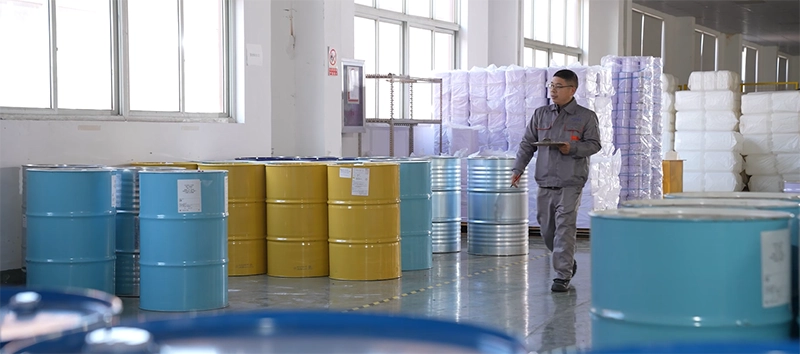
Step 1: Incoming Raw Material Verification
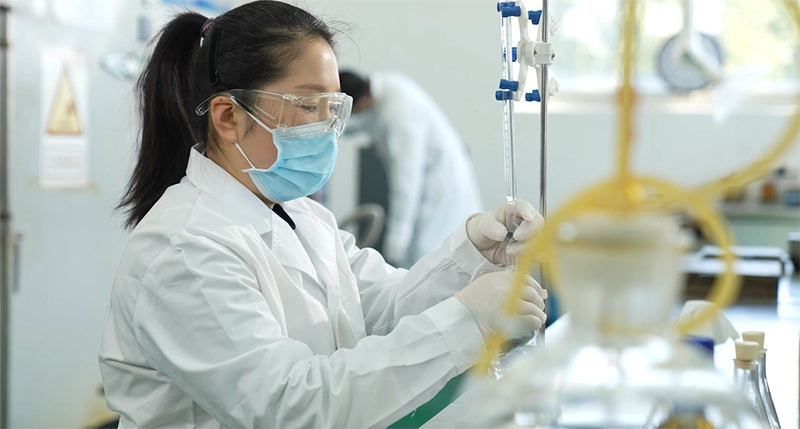
Every production batch starts with raw material inspection.
Before any polyurethane system enters production, our laboratory verifies:
Polyol Quality
We inspect:
- Appearance
- Moisture content
- Viscosity
- Storage condition
Excess moisture can react with isocyanates and generate unwanted carbon dioxide bubbles, causing internal defects.
Isocyanate Quality
We verify:
- Appearance
- NCO content
- Storage history
- Temperature condition
Even slight degradation can affect final crosslink density and physical properties.
Additives and Pigments
Each additive batch is checked against approved specifications before release to production.
No material enters production without documented verification.
Step 2: Controlled Material Preparation
Polyurethane processing is extremely sensitive to environmental conditions.
Our production team carefully controls:
Material Temperature
Polyols and isocyanates are conditioned to specified temperatures before mixing.
Temperature variations can affect:
- Viscosity
- Flow behavior
- Reaction speed
- Cure profile
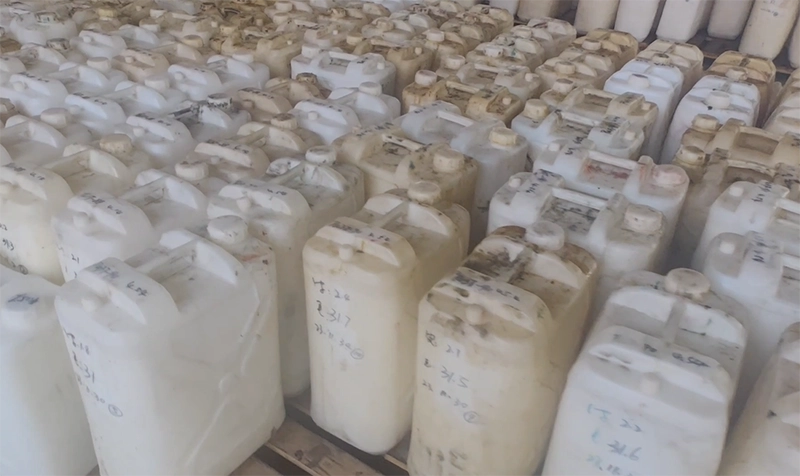
Moisture Control
Moisture is one of the most common causes of polyurethane defects.
To minimize contamination risks:
- Raw materials are sealed properly
- Containers remain closed when not in use
- Production areas are monitored
- Dry handling procedures are followed
Mixing Ratio Verification
Every batch follows documented formulations.
Operators verify:
- Component weights
- Mixing ratios
- Batch numbers
- Processing records
This ensures full traceability throughout production.
Step 3: Process Monitoring During Casting
Unlike injection molding, cast polyurethane production involves chemical reactions that continue during processing and curing.
Critical production parameters are monitored throughout manufacturing.
Degassing Inspection
Vacuum degassing removes entrapped air before casting.
Proper degassing helps prevent:
- Internal voids
- Porosity
- Reduced mechanical strength
Mold Preparation Verification
Before casting, molds and inserts are inspected for:
- Cleanliness
- Release agent condition
- Temperature consistency
- Dimensional integrity
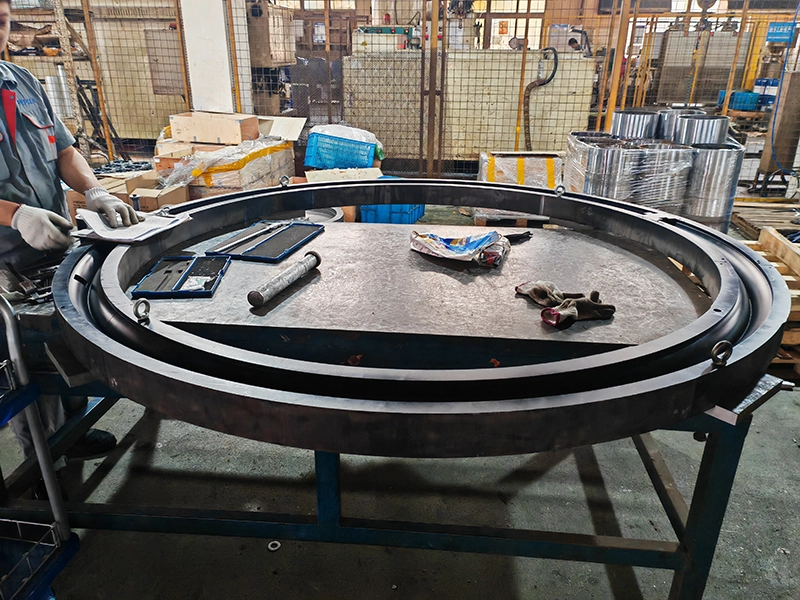
Customer-Supplied Core Inspection
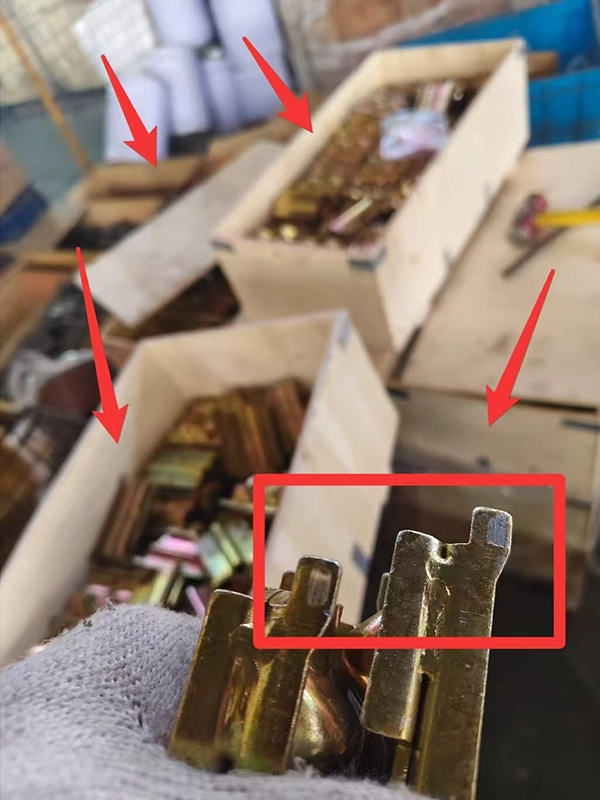
Customer-supplied wheel cores, roller cores, and metal inserts are inspected before casting.
Inspection helps verify:
- Critical dimensions
- Surface condition
- Rust and contamination
- Bonding surface quality
- Structural integrity
Casting Observation
Operators monitor:
- Material flow
- Fill quality
- Air entrapment risks
- Surface condition
Early inspection helps prevent bonding failures, dimensional issues, and costly rework.
Step 4: Controlled Curing and Post-Curing
Curing is where polyurethane develops its final physical properties.
A part that is improperly cured may initially pass inspection but fail prematurely in service.
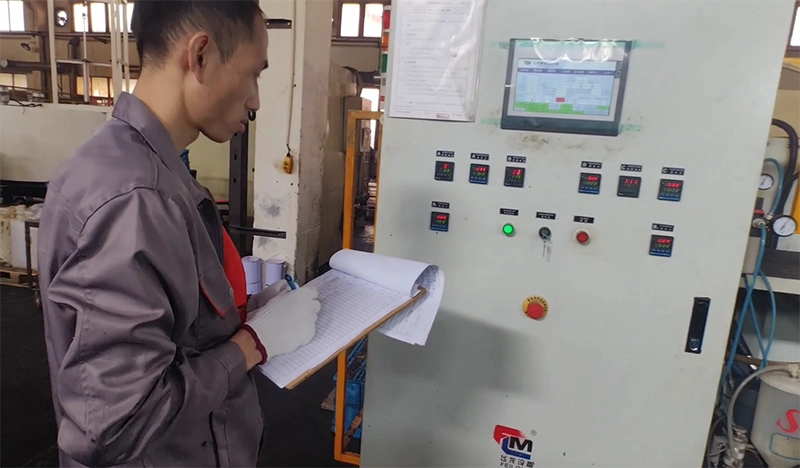
Our curing procedures control:
Cure Temperature
Maintaining correct temperatures ensures complete polymerization.
Cure Time
Insufficient curing can reduce:
- 인장 강도
- 인열 저항성
- 내마모성
Post-Curing Process
When required, parts undergo post-curing to optimize:
- Mechanical properties
- Heat resistance
- Long-term dimensional stability
All curing records are documented and traceable.
Step 5: In-House Physical Property Testing
Random testing is not enough for critical industrial applications.
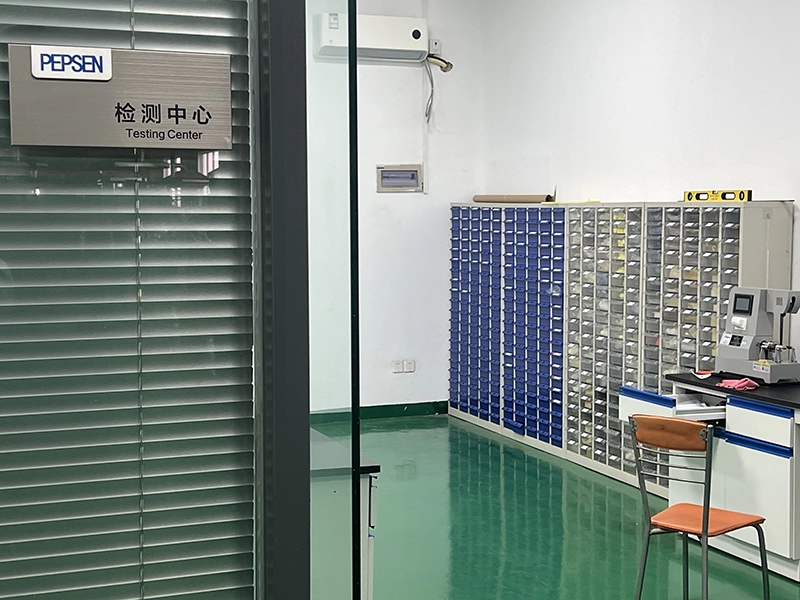
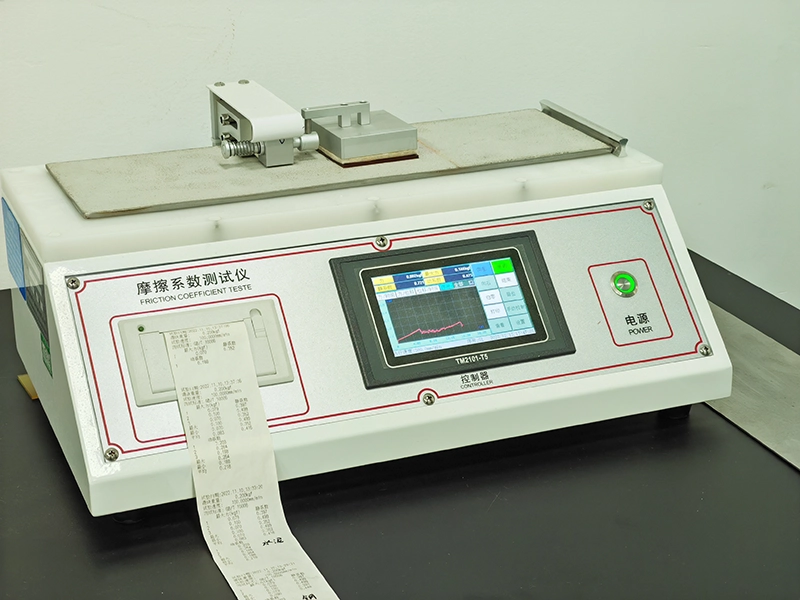
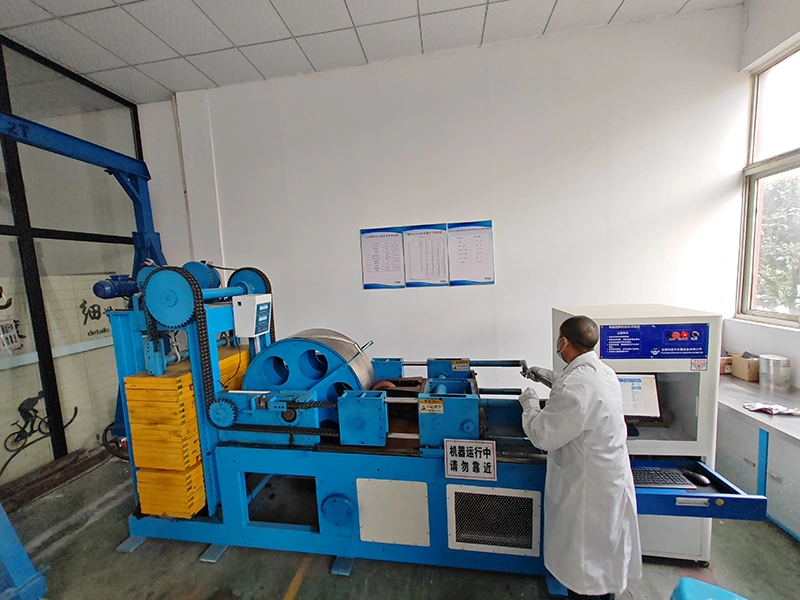
Our laboratory routinely verifies key material properties.
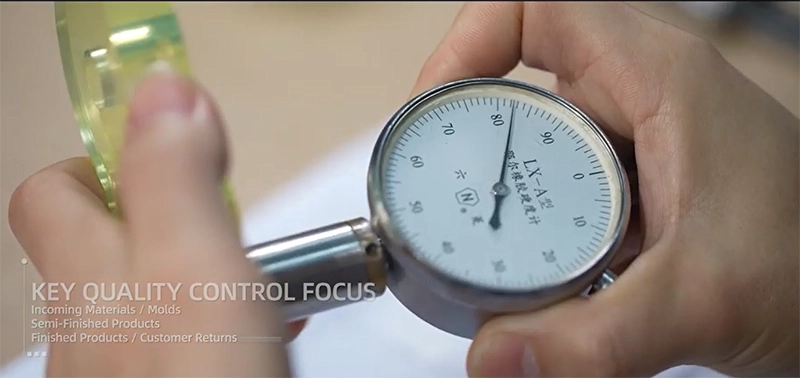
Shore Hardness Testing
Hardness is measured using calibrated instruments.
This verifies consistency from batch to batch.
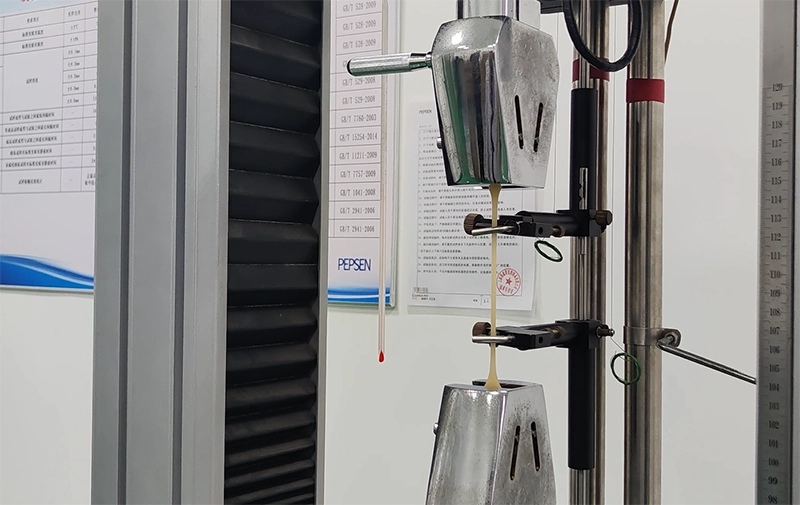
Tensile Strength Testing
Testing confirms that material performance meets specification requirements.
휴식 시 신장
Elongation provides insight into flexibility and toughness.
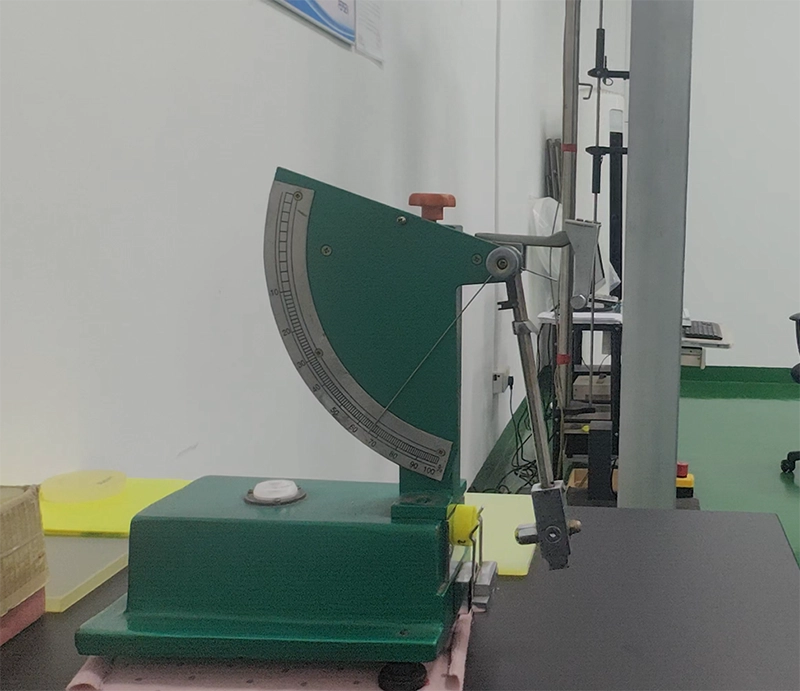
Tear Strength Testing
Tear resistance is especially important for:
- Conveyor components
- 스크레이퍼 블레이드
- 바퀴
- Seals
Compression Set Testing
For load-bearing applications, compression set evaluation helps predict long-term deformation behavior.
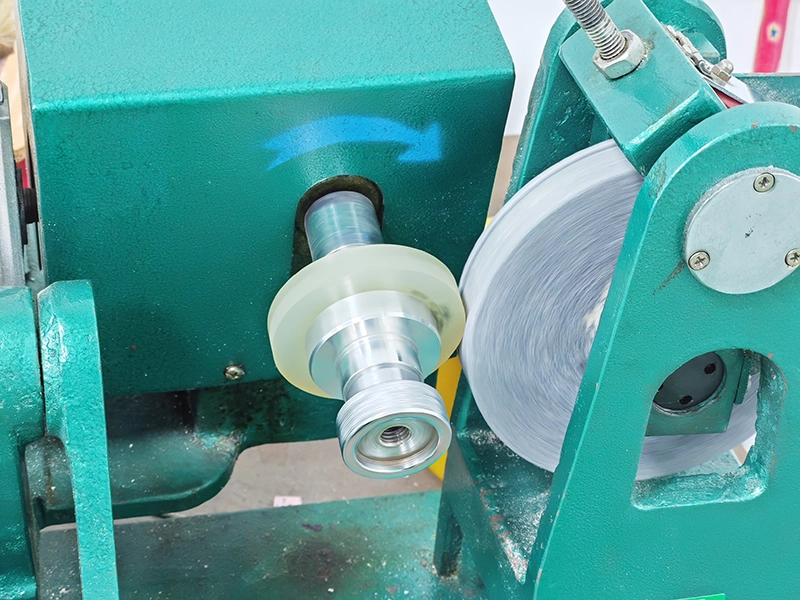
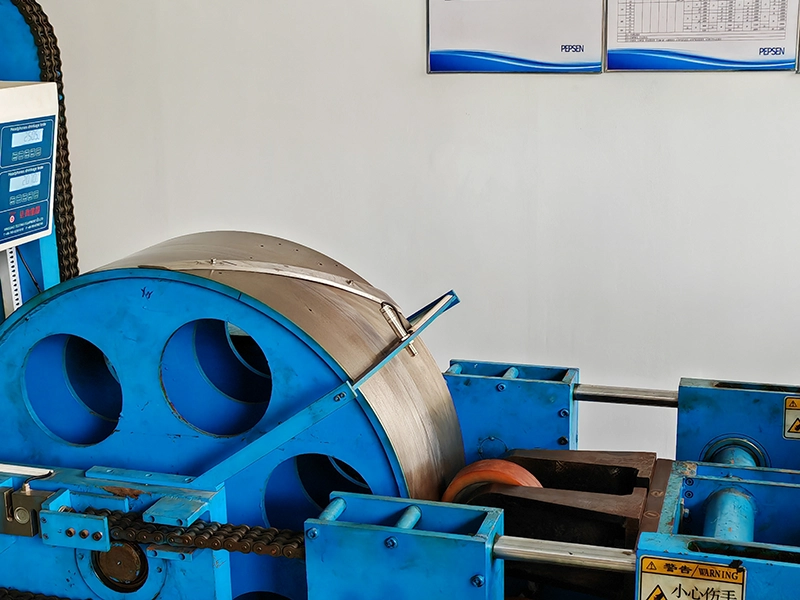
Abrasion Resistance Testing
Wear resistance is one of polyurethane’s primary advantages.
Laboratory testing helps verify expected service life performance.
Step 6: Hardness & Dimensional Inspection
Material quality alone is not enough.
Consistent hardness and accurate dimensions are essential for proper fit, performance, and service life.
Our QC team performs:
First Article Inspection (FAI)
Before full production begins, the first completed part is inspected to verify:
- Shore hardness
- Critical dimensions
- Surface quality
- Drawing compliance
Production proceeds only after approval.
Hardness Testing
Hardness is checked using calibrated instruments.
Testing helps verify:
- Shore A or Shore D hardness
- Batch consistency
- Specification compliance
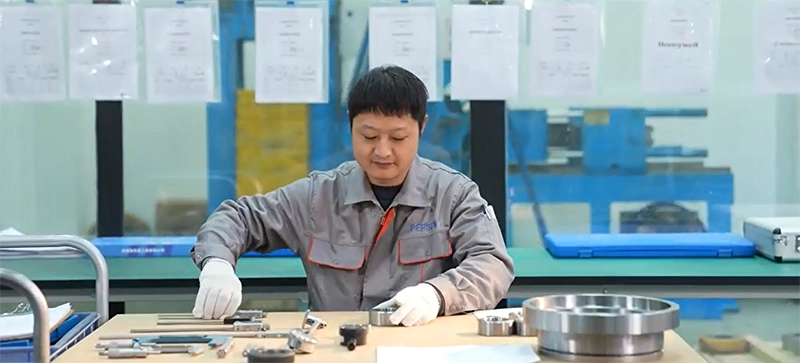
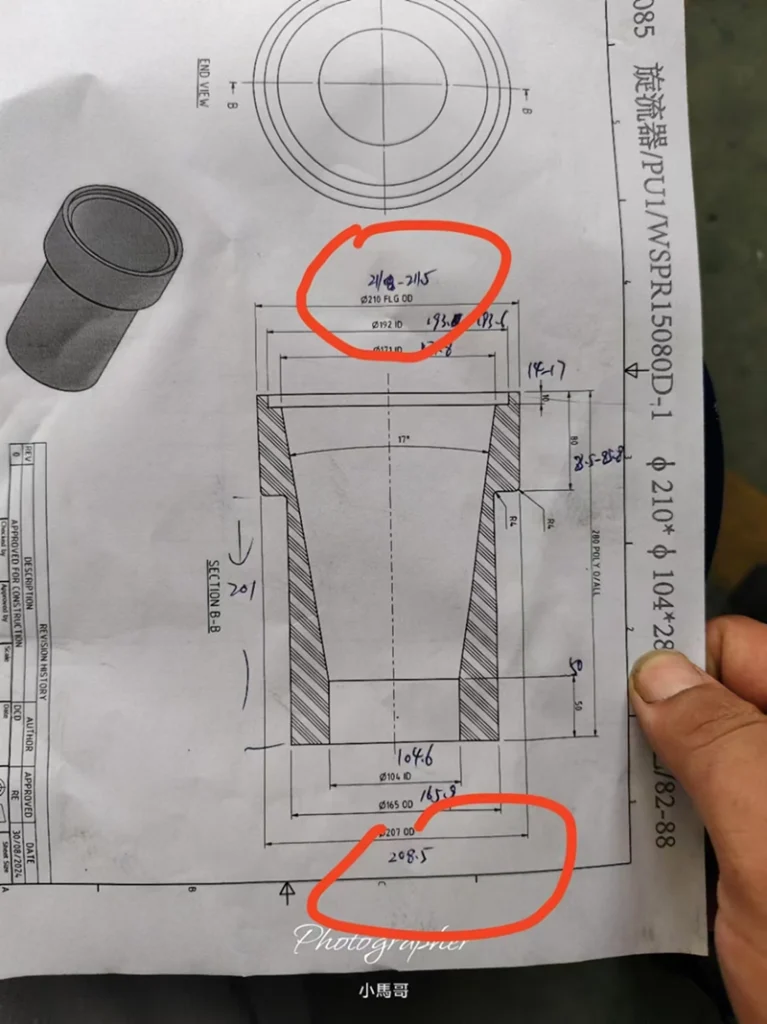
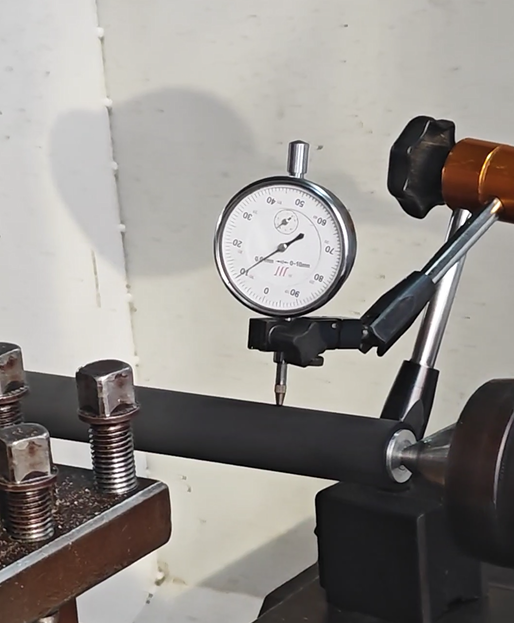
Dimensional Inspection
Depending on product requirements, inspections may include:
- Outside diameter
- Inside diameter
- 두께
- 너비
- Concentricity
- Runout
Final Inspection
Finished products undergo final inspection before shipment.
Inspection helps verify:
- Hardness requirements
- Critical dimensions
- Visual appearance
- Customer specifications
Precision Measuring Equipment
Inspection tools include:
- Shore hardness testers
- Digital calipers
- Micrometers
- Height gauges
- Bore gauges
Inspection records are maintained for full traceability.
Step 7: Bond Strength Verification for Metal-Bonded Parts
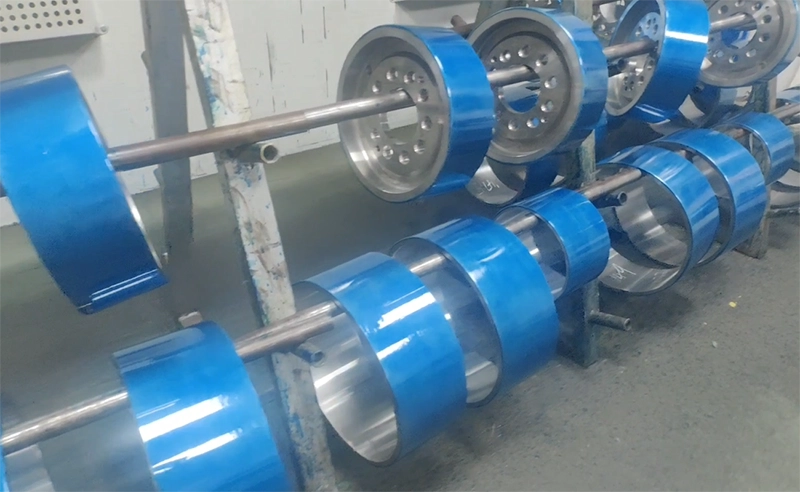
For 폴리우레탄 롤러, wheels, and bonded assemblies, bond integrity is often more important than material strength itself.
Our procedures include:
Surface Preparation Verification
Metal substrates are checked for:
- Cleanliness
- Surface roughness
- Preparation quality
Bonding Process Control
Each bonding stage follows documented procedures.
Bond Failure Analysis
If testing is performed, failure modes are evaluated to ensure proper adhesion performance.
Step 8: Final Visual Inspection
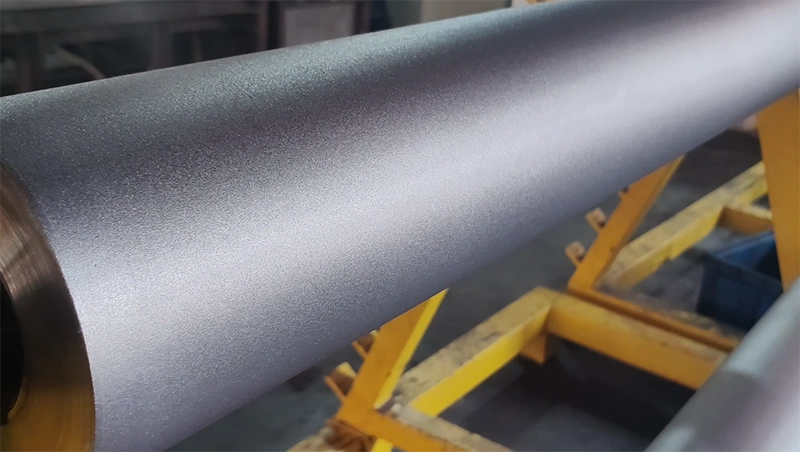
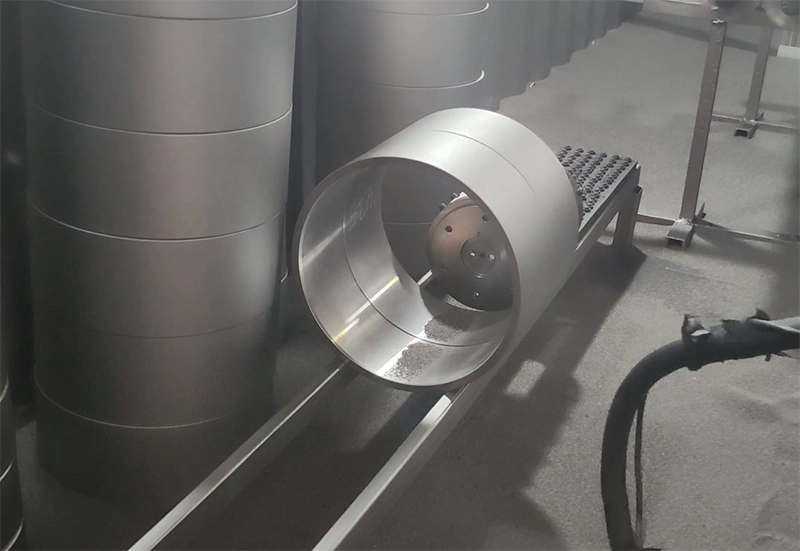
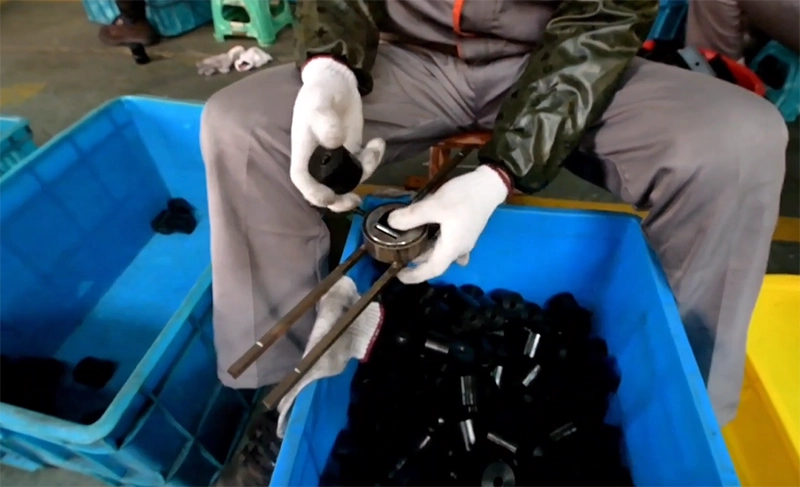
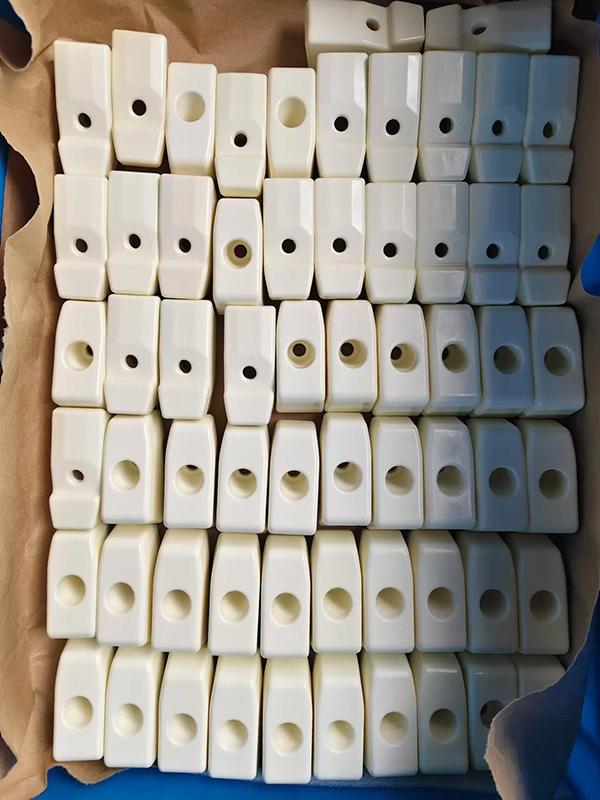
Every finished component undergoes final inspection before shipment.
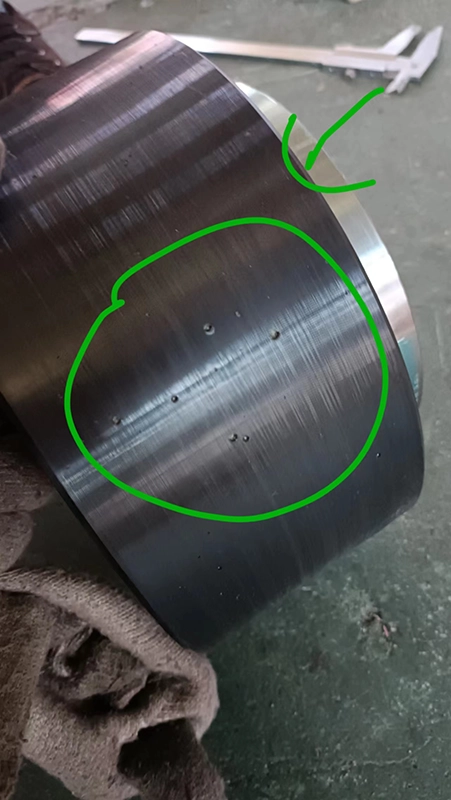
Inspectors check for:
- Surface defects
- Air bubbles
- Voids
- Cracks
- Inclusions
- Flashing issues
- Color consistency
Products failing inspection are segregated immediately.
Step 9: Self-Developed Application Simulation Test Bench
For critical applications, laboratory testing alone is not always sufficient.
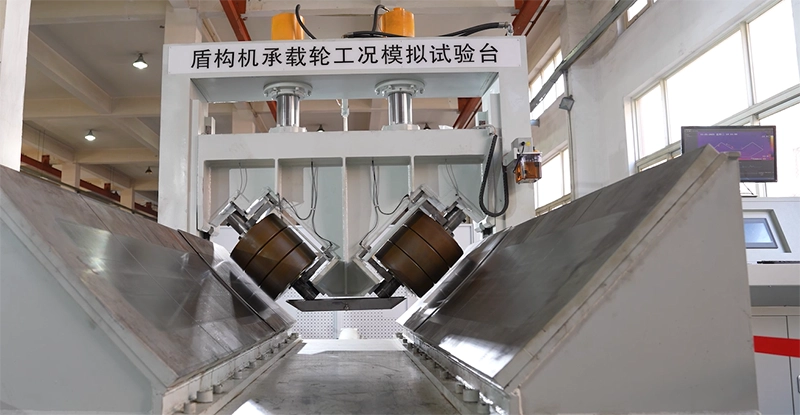
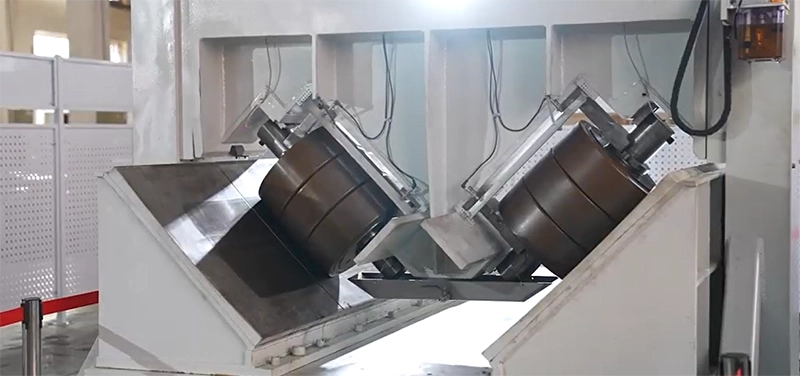
To better evaluate real-world performance, we have developed our own in-house simulation test bench for polyurethane wheels and other load-bearing components.
Simulated Test Bench for Shield Machine PU Wheels
우리의 self-developed polyurethane wheel life-span testing system is designed to simulate the demanding operating conditions experienced by polyurethane wheels used in shield machines and tunnel boring equipment.
Testing may evaluate:
- 적재 용량
- Rolling resistance
- Heat build-up
- 내마모성
- Compression behavior
- Dynamic fatigue performance
- Polyurethane-to-metal bond integrity
By reproducing actual working conditions, potential issues can be identified before field installation.
Why Application Simulation Matters
Material properties alone cannot fully predict service life.
Real-world performance is influenced by:
- Continuous loading
- Repeated rolling cycles
- Dynamic impacts
- Heat generation
- Environmental conditions
Our simulation testing helps verify product reliability and provides valuable data for material selection, design optimization, and service life prediction.
Full Batch Traceability
One of the most important aspects of industrial quality control is traceability.
Each production batch can be linked back to:
- Raw material lots
- Production records
- Processing parameters
- Curing oven no., curing time and data
- Inspection reports
- Manufacturing date
This allows rapid investigation should any issue arise in the field.
자주 묻는 질문
How do you ensure consistency between production batches?
We maintain controlled formulations, documented process parameters, incoming material verification, and routine laboratory testing to minimize batch-to-batch variation.
Do you provide inspection reports?
Yes. Inspection reports and material test data can be provided according to project requirements.
Can you test custom performance requirements?
Yes. Depending on application requirements, additional testing can often be arranged to verify specific performance criteria.
Why is moisture control so important in polyurethane manufacturing?
Moisture reacts with isocyanates and can create internal bubbles, porosity, reduced mechanical properties, and premature product failure.
Is hardness the most important polyurethane property?
No. Hardness is only one indicator. Abrasion resistance, compression set, tear strength, tensile properties, and dynamic performance are often equally important.
Quality Is Built Into the Process
For industrial polyurethane products, quality cannot be inspected into a part after production is complete.
It must be controlled from the moment raw materials arrive until the finished product leaves the factory.
Our in-house laboratory, documented QC procedures, and process controls are designed to deliver consistent, reliable polyurethane components that perform in demanding industrial environments.
For engineers, maintenance teams, and procurement professionals, this means fewer unexpected failures, longer service life, and greater confidence in every component delivered.