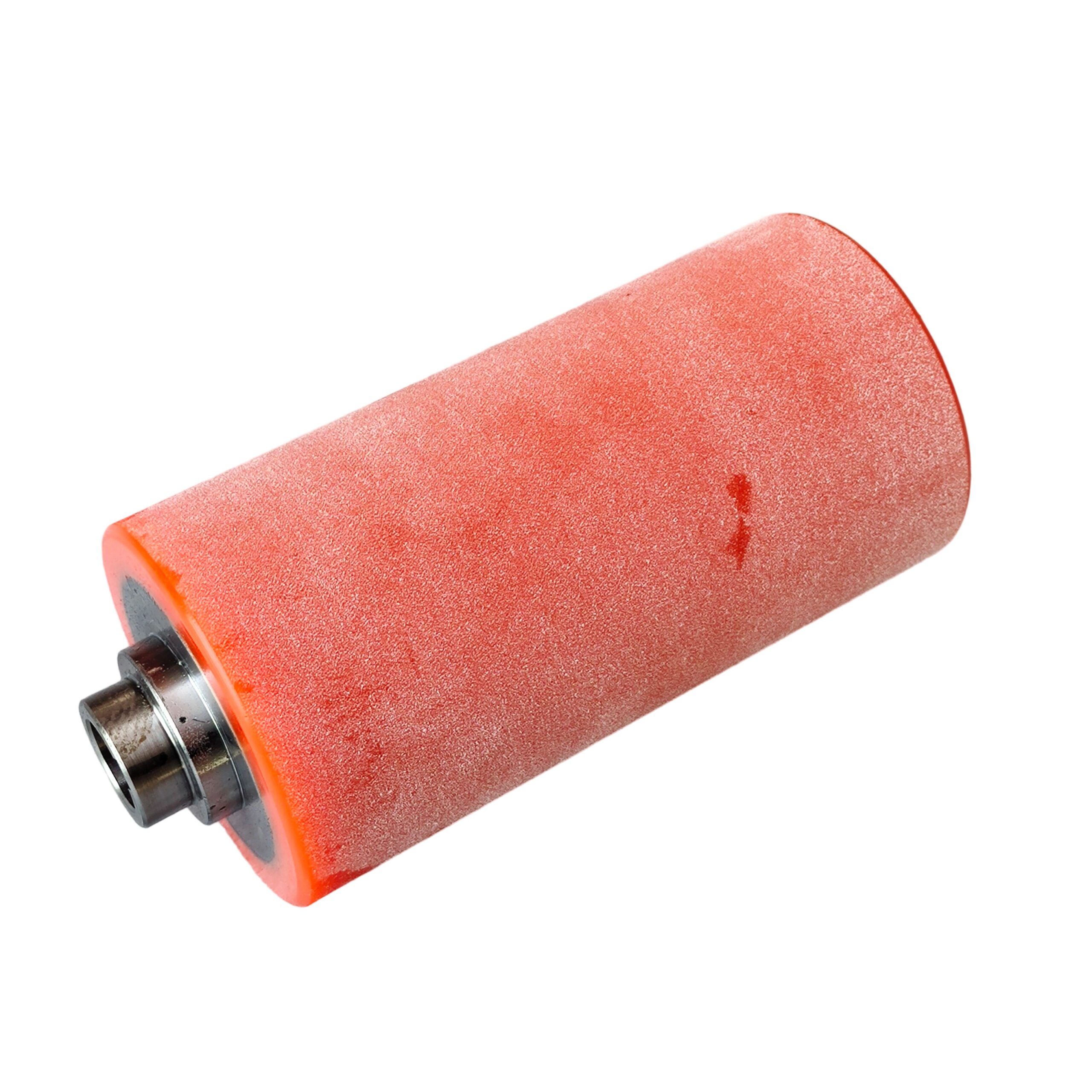
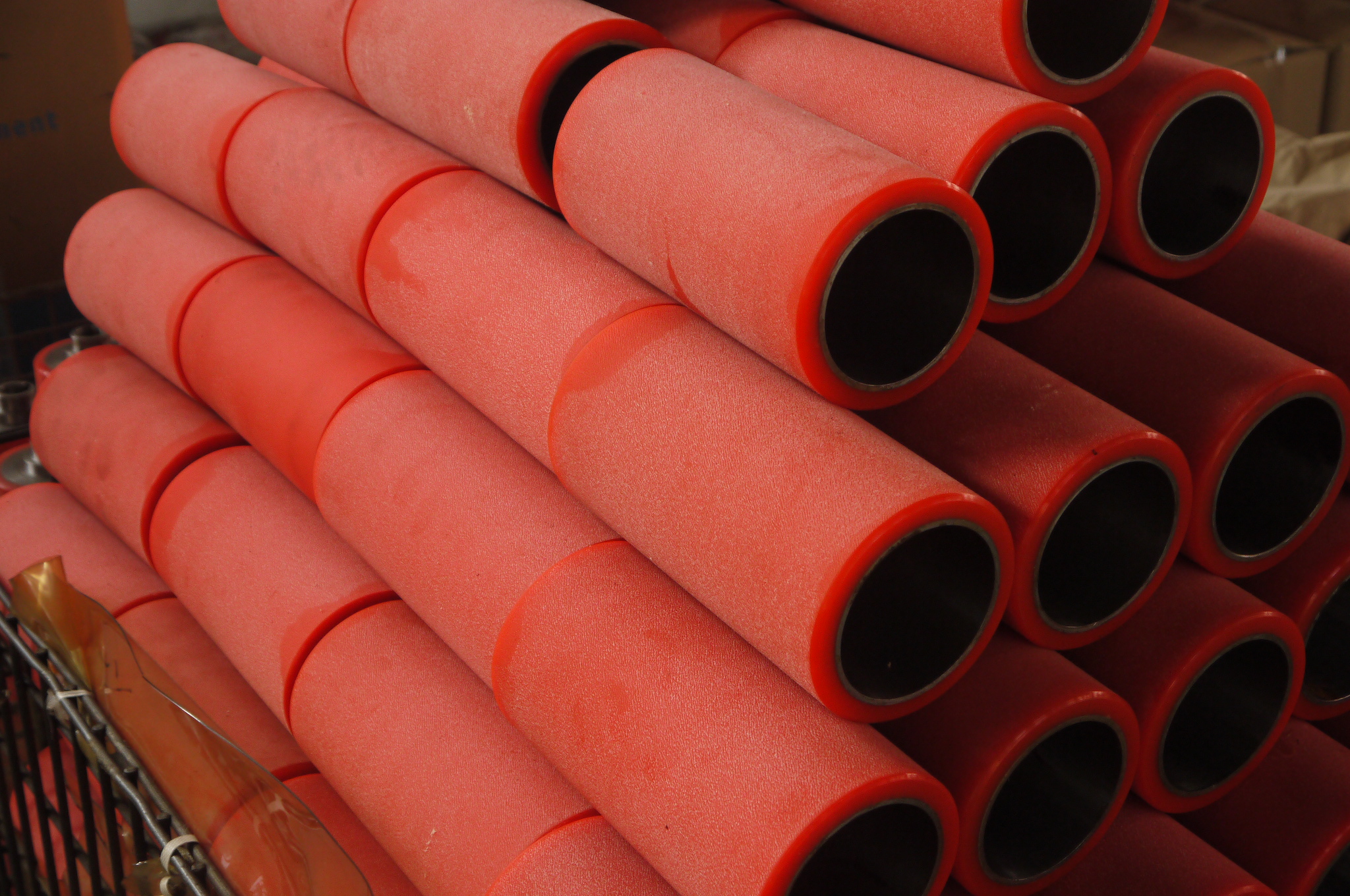
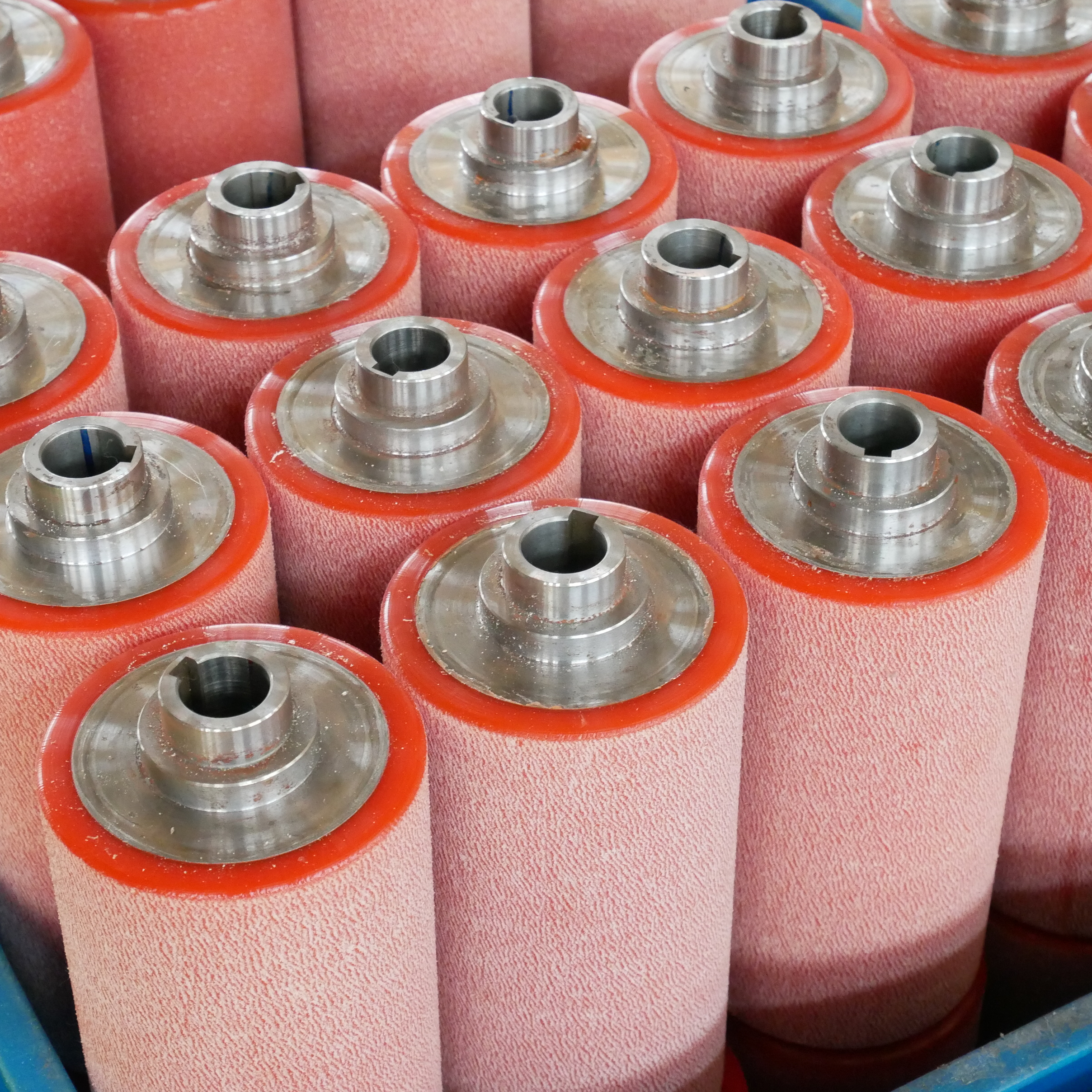
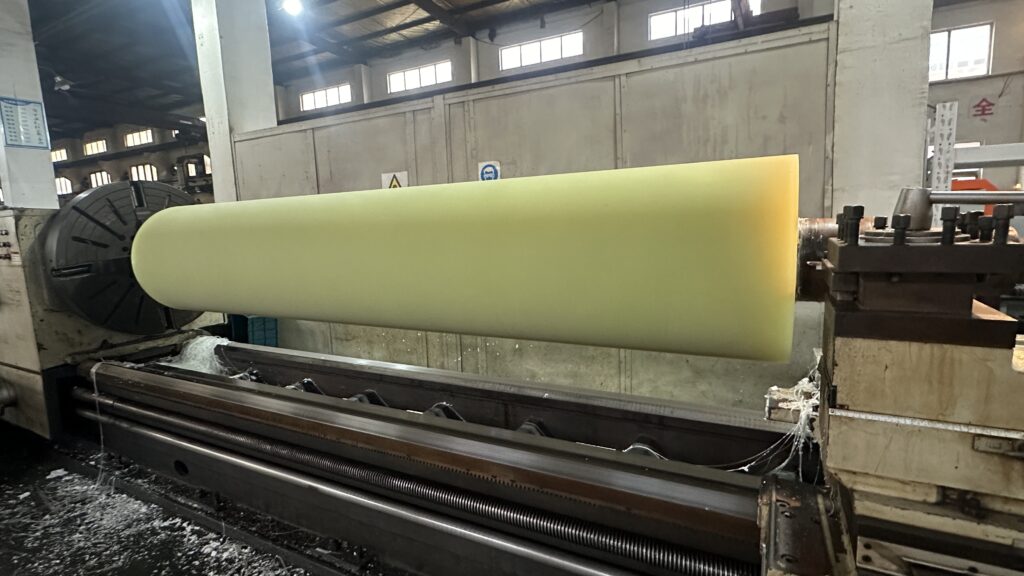
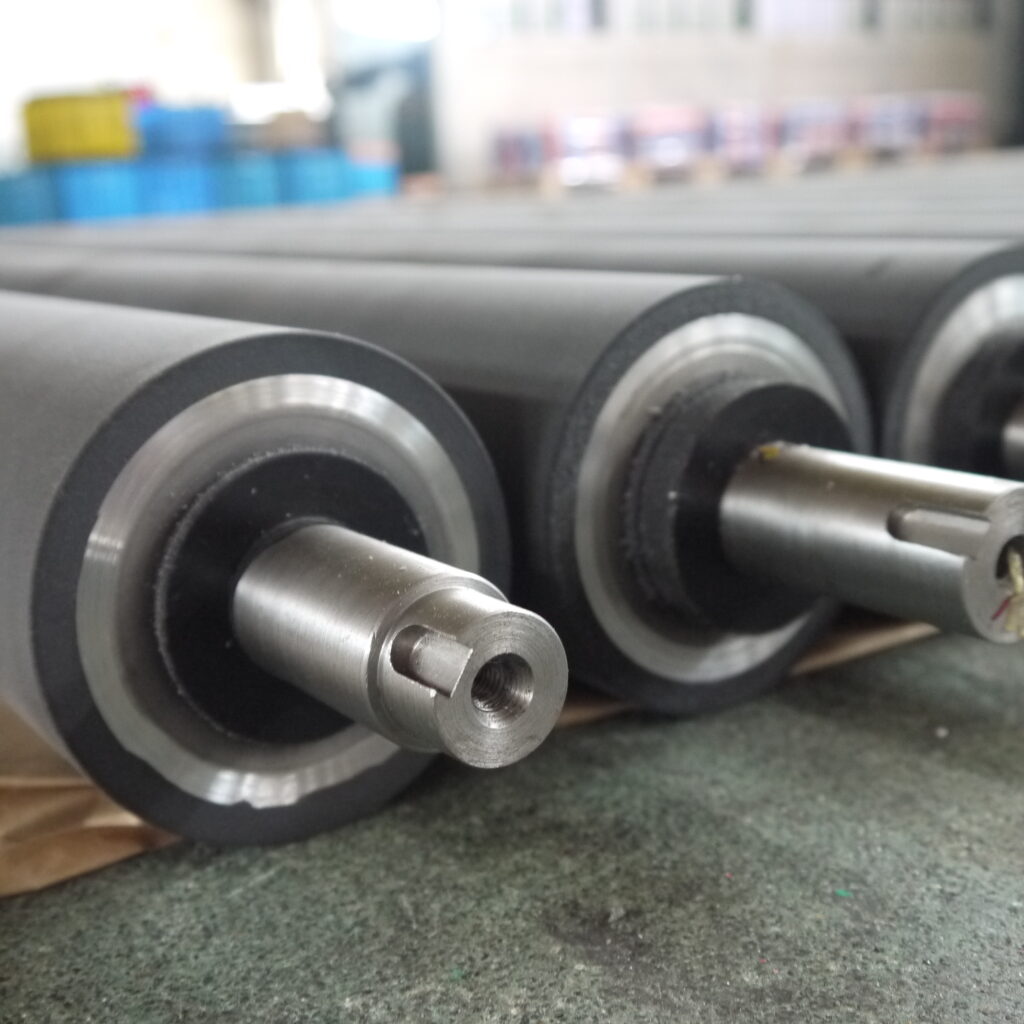
Drive roller failures rarely begin with catastrophic damage. Most start with gradual traction loss, uneven wear, or dimensional changes that reduce machine efficiency long before operators notice a problem. In conveyor systems, AGV platforms, packaging equipment, and automated production lines, these issues can lead to slippage, tracking errors, unplanned downtime, and rising maintenance costs.
As polyurethane engineers with more than 20 years of manufacturing experience, we developed polyurethane drive rollers specifically for demanding industrial environments where reliability matters more than initial purchase price. By combining controlled hardness ranges, high abrasion resistance, and application-specific designs, our rollers help improve traction, extend service intervals, and reduce total ownership costs across automation, material handling, and industrial processing systems.
Custom Specs of Polyurethane Drive Rollers for Industrial Conveyors
We customize hardness, core material and surface style to match mining, logistics and automation working conditions.
Customization Parameter
Specifications
Target Equipment/Industries (Drive Scenarios)
Hardness Range
Shore 0A-98A-80D
Food conveyor drive (55A for gentle handling), heavy mining drive (90A for abrasion resistance)
Drive Roller Dimensions
Diameter 1.5”–8”, length 6”–72”; CNC-machined for tight tolerances
Delamination: Caused by poor core surface treatment. We use 12.5μm Ra sandblasting + dual primer.
Excessive Abrasion: Low-grade material issue. We apply NDI/polyester PU for high-wear scenarios.
Permanent Deflection: Improper hardness. We match Shore A value per actual dynamic load.
Thermal Deformation: Heat buildup risk. We use low-hysteresis PU formulations for high-speed lines.
Looking for other wheel solutions? Explore our complete range of [Polyurethane Rollers]? Check out our full selection of custom industrial rollers.
Why Do Polyurethane Drive Rollers Fail Prematurely?
Premature polyurethane drive roller failure is usually caused by incorrect material selection, insufficient bond strength, excessive heat buildup, or improper hardness. In our failure investigations, delamination, chunking, and accelerated wear account for most replacement cases.
What Hardness Is Best for Polyurethane Drive Rollers?
Most drive rollers operate between 85A and 95A Shore A. Lower hardness improves traction and shock absorption, while higher hardness improves load capacity and wear resistance. AGV and conveyor systems commonly use 90A–95A Shore A.
How Long Do Polyurethane Drive Rollers Last?
Service life depends on load, speed, floor condition, and material formulation. Compared with rubber rollers, properly engineered polyurethane drive rollers often achieve two to five times longer operating life.
Polyurethane vs Rubber Drive Rollers: Which Is Better?
Polyurethane generally offers higher abrasion resistance, greater load capacity, and lower maintenance frequency than rubber. Rubber may provide better low-cost vibration damping, but typically wears faster under industrial loads.
What Load Capacity Can a Polyurethane Drive Roller Handle?
Load capacity depends on roller diameter, width, hardness, and core design. Heavy-duty polyurethane drive rollers are commonly used in applications carrying loads from several hundred kilograms to multiple tons.
What Certifications Should a Polyurethane Drive Roller Supplier Have?
Most OEM buyers require ISO 9001 certification as a minimum. For automotive and advanced manufacturing projects, additional quality systems, traceability, and inspection documentation may be required.
Can You Manufacture Custom Polyurethane Drive Rollers From Drawings?
Can You Manufacture Custom Polyurethane Drive Rollers From Drawings?
What Is the Lead Time for Custom Polyurethane Drive Rollers?
Prototype drive rollers typically require 5–10 working days. Production orders usually require 15–30 working days depending on tooling, quantity, and machining requirements.
How Does Polyurethane Bond to Steel Roller Cores?
High-performance drive rollers use grit-blasted steel cores combined with industrial bonding systems such as Chemlok adhesives. Proper surface preparation is critical to prevent polyurethane delamination.
How Much Can Polyurethane Drive Rollers Reduce Maintenance Costs?
Although polyurethane rollers may cost more initially, longer service life, reduced downtime, and lower replacement frequency typically result in a lower total cost of ownership over the equipment lifecycle.