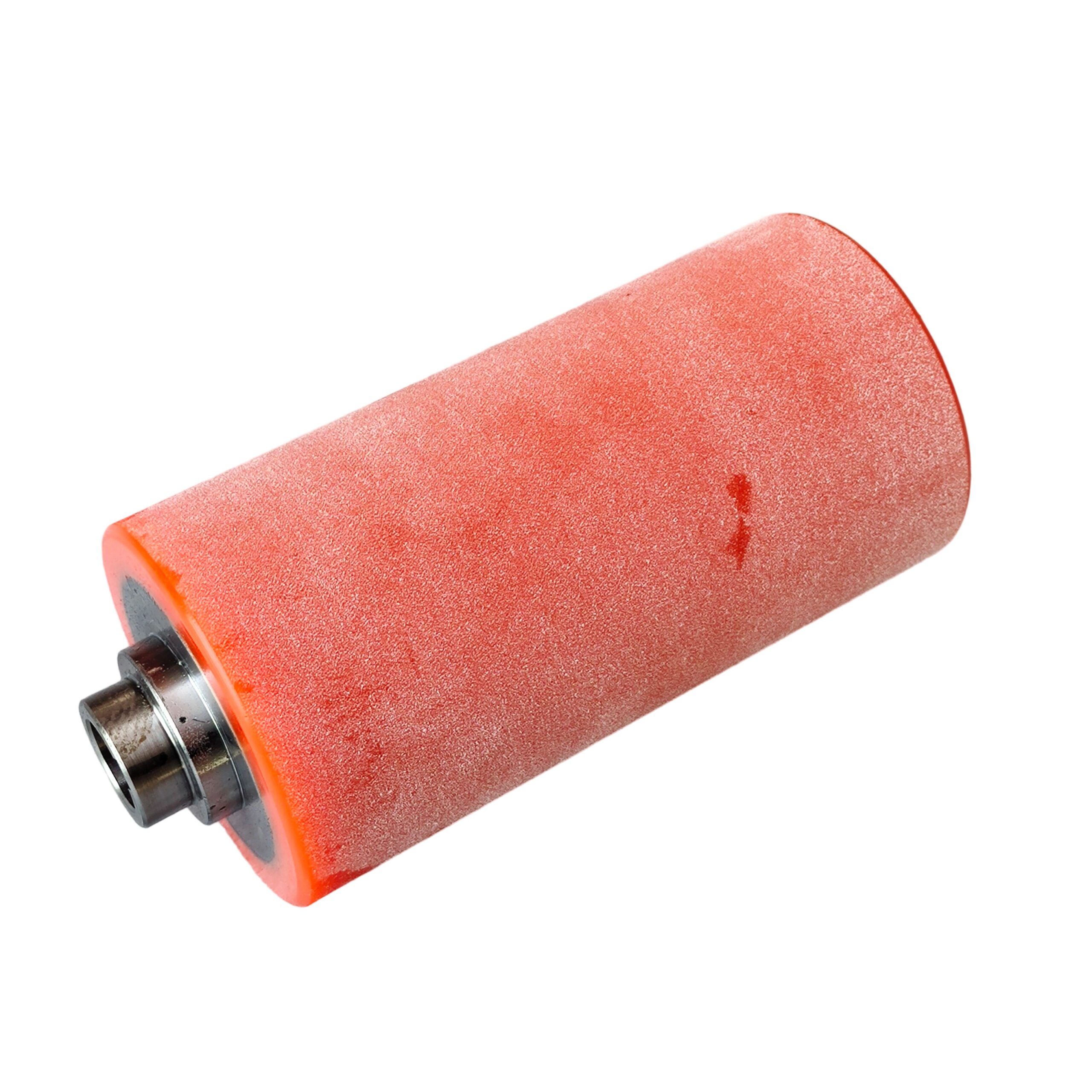
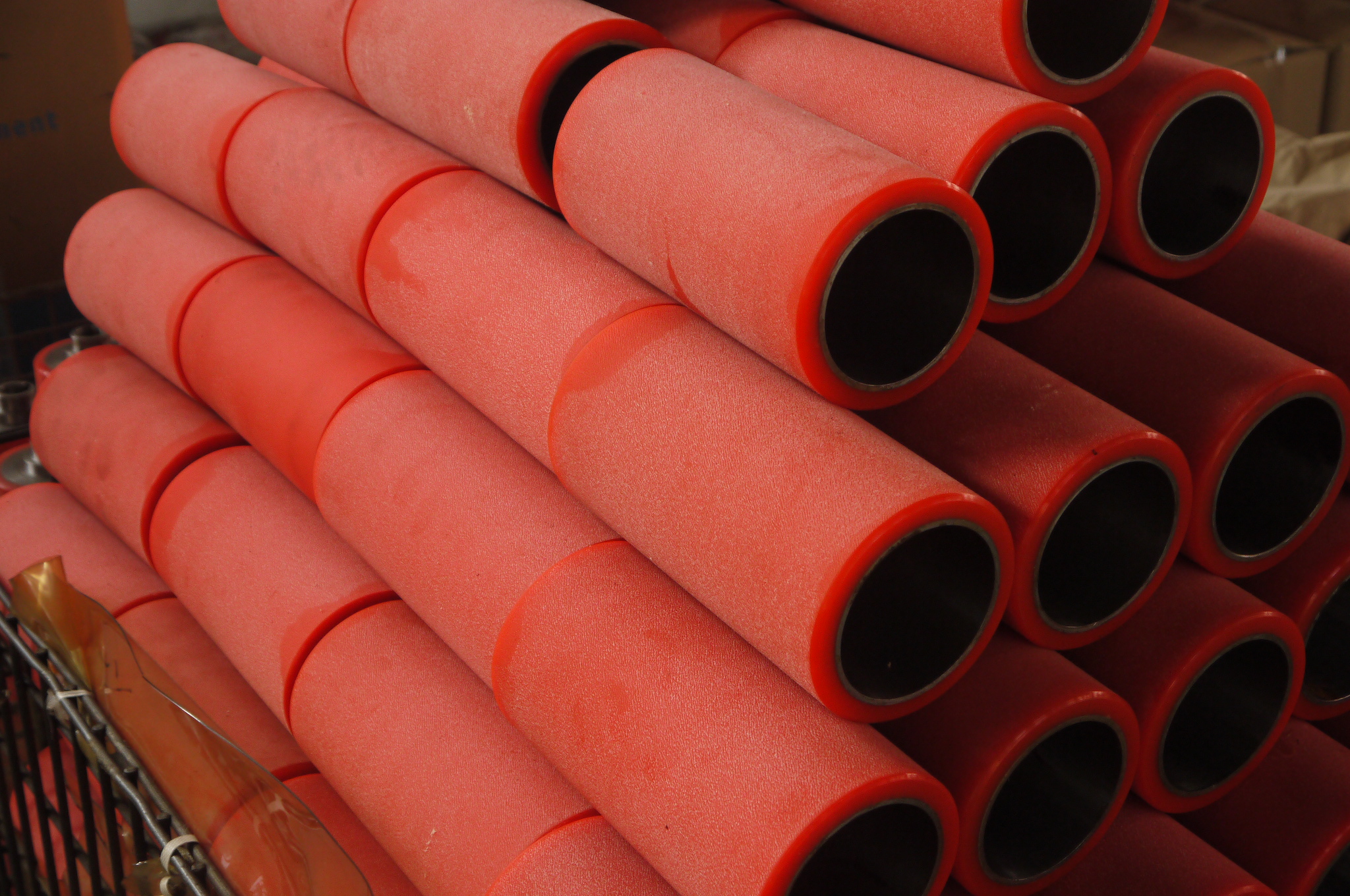
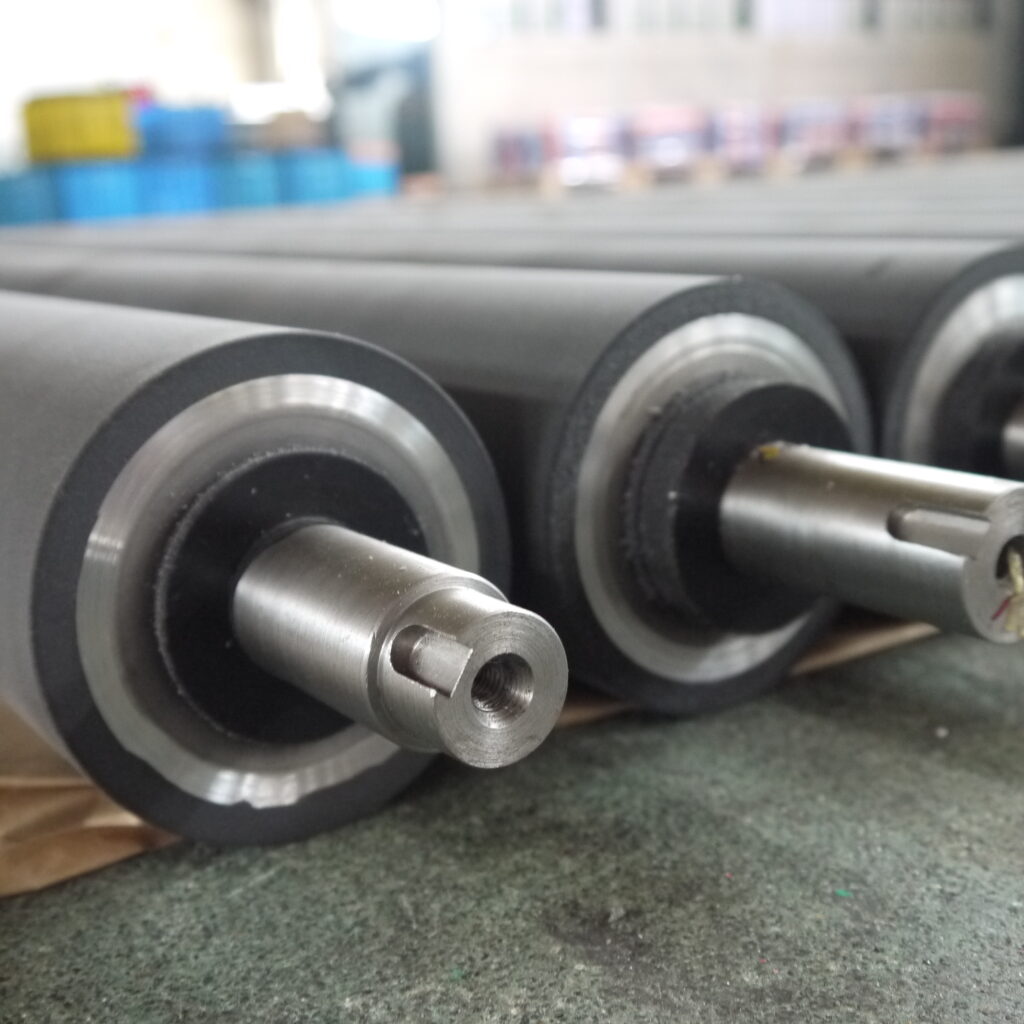
Rodillos de tracción de poliuretano para sistemas de transporte de alta tracción
Rodillos de transmisión industriales de poliuretano | Rendimiento verificado en laboratorio para los sectores de la minería, la logística y el transporte automatizado
- Su bajo nivel de abrasión reduce la necesidad de sustituir con frecuencia los rodillos y los costes de mano de obra de mantenimiento.
- La dureza constante de Shore evita la deformación de las piezas bajo cargas dinámicas prolongadas.
- Las estrictas tolerancias dimensionales evitan las vibraciones y las averías en el sistema transportador.
- La sólida unión entre el poliuretano y el metal evita la delaminación durante el funcionamiento continuo las 24 horas del día, los 7 días de la semana.
- Las fórmulas personalizadas se adaptan a entornos de trabajo húmedos, grasientos y a altas temperaturas.
SECTORES A LOS QUE PRESTAMOS SERVICIO: Manipulación de materiales, minería, almacenamiento y logística, automoción
Las averías en los rodillos de tracción rara vez comienzan con daños catastróficos. La mayoría se inicia con una pérdida gradual de tracción, un desgaste desigual o cambios dimensionales que reducen la eficiencia de la máquina mucho antes de que los operarios se den cuenta del problema. En los sistemas de transporte, las plataformas de vehículos guiados automáticamente (AGV), los equipos de embalaje y las líneas de producción automatizadas, estos problemas pueden provocar deslizamientos, errores de alineación, paradas imprevistas y un aumento de los costes de mantenimiento.
Como ingenieros especializados en poliuretano con más de 20 años de experiencia en fabricación, hemos desarrollado rodillos de transmisión de poliuretano diseñados específicamente para entornos industriales exigentes, en los que la fiabilidad es más importante que el precio de compra inicial. Gracias a la combinación de rangos de dureza controlados, una elevada resistencia a la abrasión y diseños específicos para cada aplicación, nuestros rodillos ayudan a mejorar la tracción, alargar los intervalos de mantenimiento y reducir los costes totales de propiedad en los sectores de la automatización, manipulación de materiales, y sistemas de procesamiento industrial.
Especificaciones personalizadas de los rodillos de transmisión de poliuretano para cintas transportadoras industriales
Adaptamos la dureza, el material del núcleo y el acabado de la superficie para que se ajusten a las condiciones de trabajo en los sectores de la minería, la logística y la automatización.
Parámetro personalizado
Especificación
Equipos/industrias objetivo (escenarios de conducción)
Categoría de dureza
Se selecciona según la aplicación; confirmar el rango disponible
Accionamiento del transportador de alimentos (55A para manipulación suave), accionamiento de minería pesada (90A para resistencia a la abrasión)
Dimensiones del rodillo motriz
Diámetro 1,5"-8", longitud 6"-72"; mecanizado CNC para tolerancias estrechas
Accionamiento de imprenta (diámetro pequeño), accionamiento de cinta transportadora de equipajes de aeropuerto (longitud larga)
Material y servicios básicos
Núcleo de acero al carbono/aluminio/acero inoxidable; recubrimiento de rodillos de accionamiento utilizado
Accionamiento para procesado de alimentos húmedos (acero inoxidable), accionamiento para envasado ligero (aluminio)
Textura de la superficie y propiedades de accionamiento
Liso/acanalado/estriado; antiestático, resistente al aceite, ignífugo
Accionamiento de cinta transportadora para electrónica de sala limpia (antiestático), accionamiento de línea de montaje de taller (resistente al aceite)
Diseño del cubo final
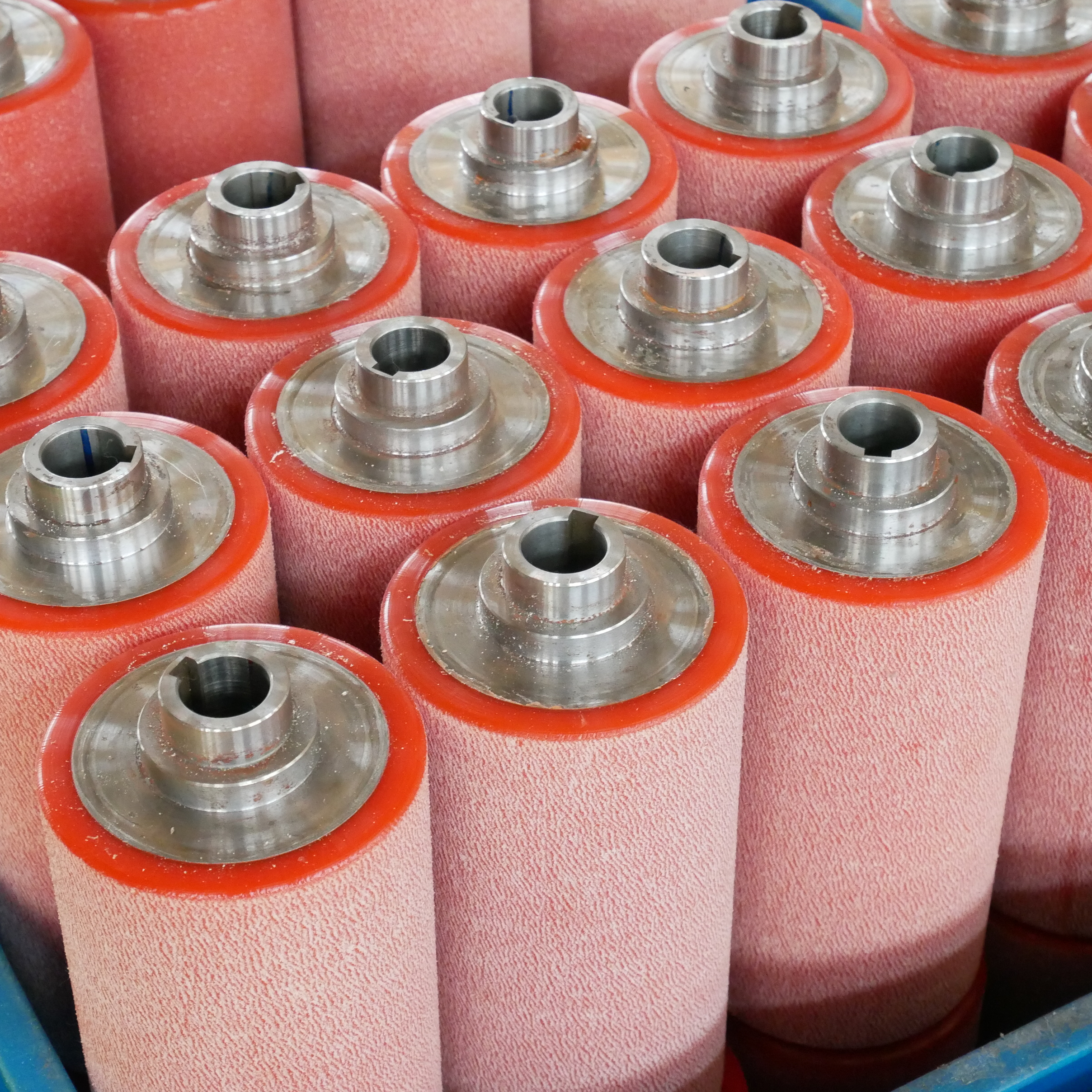
Chavetero, embridado, taladrado; compatible con ejes de transmisión estándar
Accionamiento de transportadores AGV (cubos con brida), accionamiento de robots industriales (cubos perforados)
Fórmula
PU de poliéster / PU de poliéter / PU de NDI
Rodillo de PU resistente a la hidrólisis, rodillo NDI de alta resistencia a la abrasión
Aplicaciones industriales de los rodillos de transmisión de poliuretano
Nuestros rodillos de transmisión de PU son aptos para la minería, almacenamiento y logística, líneas de producción para el sector de la automoción y líneas de producción automatizadas para el transporte de cargas pesadas.
- Conducción de sistemas de manipulación de materiales AGV en almacenes
- Gran capacidad de carga adecuada para máquinas pesadas y aplicaciones mineras
- Se utiliza en sistemas transportadores de la industria alimentaria, por sus opciones seguras y de calidad alimentaria y su resistencia química.
- Manipulación del descascarillado del arroz en instalaciones agrícolas
- Guiado de cintas transportadoras curvas para equipajes en aeropuertos
- Remolques rodantes para embarcaciones (rodillos de bamboleo de quilla) para uso marítimo
Ventajas técnicas de los rodillos de transmisión de poliuretano moldeado
Los datos de laboratorio contrastados demuestran que nuestros rodillos superan a los de caucho y TPU en cuanto a resistencia a la abrasión, adherencia y resistencia a la carga.
– Resistencia de la unión entre PU y metal ≥ 25 MPa
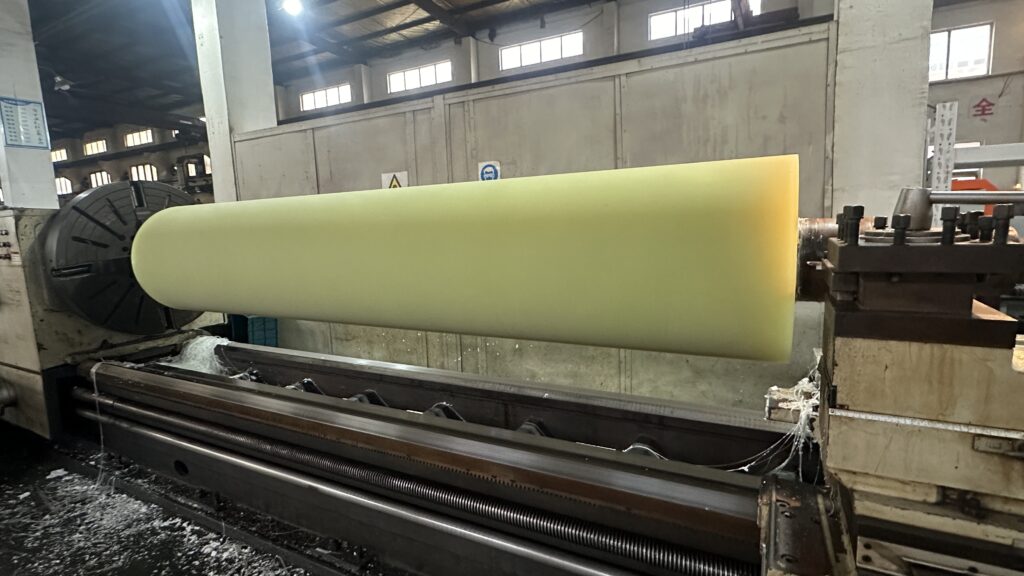
- Servicio interno de fresado CNC y torneado de gran tamaño para rodillos grandes
- La resistencia a la corrosión, a los productos químicos y a los disolventes garantiza el funcionamiento en entornos difíciles, como los que contienen ácidos, álcalis y diversos disolventes.
- Asistencia técnica 24 horas para la selección de planos y materiales
- Opciones económicas y de alto rendimiento (poliuretano a base de NDI)
- Servicio de recubrimiento de rodillos usados para reducir costes
Suministro directo de fábrica, fabricación para fabricantes de equipos originales (OEM) y servicio posventa de rodillos de transmisión de poliuretano
Ventas directas de fábrica con un pedido mínimo reducido, entrega rápida de muestras y certificaciones ISO completas para clientes OEM de todo el mundo.
- Más de 10.000 rodillos de accionamiento de poliuretano fabricados; experiencia en chorreado de arena hasta el mecanizado posterior.
- Materia prima inspeccionada en cada lote y proceso de producción controlado.
- Pretratamiento manual de la superficie para garantizar una fuerte adhesión del núcleo de PU.
– Certificación completa según las normas ISO 9001, ISO 14001 e ISO 45001
Aplicaciones OEM de los rodillos de transmisión de poliuretano en la industria pesada
Los datos de las pruebas de campo demuestran que nuestros rodillos prolongan la vida útil y reducen considerablemente el tiempo de inactividad en fábrica.
Caso 1 (Gran centro logístico de distribución, Australia)
Problema del cliente: Los rodillos de goma originales se deslaminaron y se desgastaron en un plazo de tres meses bajo una carga dinámica de 650 kg.
Nuestra solución: Hemos adoptado una fórmula de poliuretano de poliéter 90A con núcleo de acero pulido con chorro de arena.
Resultado cuantificado: tras 14 meses de funcionamiento ininterrumpido, la pérdida por abrasión es de tan solo 0,18 mm; el tiempo de inactividad se ha reducido en 801 TP4T. Rodillos de poliuretano frente a rodillos de caucho
Caso 2 (mina a cielo abierto, África meridional)
Problema del cliente: Los rodillos de PU convencionales fallaban con frecuencia en condiciones de mucho polvo y fricción.
Nuestra solución: rodillos de transmisión de PU de alta resistencia a la abrasión 95A basados en NDI.
Resultado cuantificado: la vida útil pasó de 2,5 meses a 13 meses; el coste mensual de mantenimiento se redujo en 62%.
Guía paso a paso para la selección de rodillos de transmisión de PU
Selecciona la dureza, el núcleo y la fórmula en función de la carga, la temperatura y el medio de trabajo.
Paso 1: Confirmar la carga dinámica Menos de 500 kg: elige entre 70 A y 85 A; 500 kg o más: selecciona entre 85 A y 98 A para garantizar un soporte estable.
Paso 2: Adaptarse al entorno de trabajo Lugares húmedos: poliéter-PU; lugares con presencia de aceite o de alta fricción: poliéster-PU.
Paso 3: Elegir el núcleo del rodillo Uso estándar: acero al carbono; entornos corrosivos: acero inoxidable 304.
Paso 4: Configurar el estilo de la superficie Liso para el transporte general; estriado para un transporte antideslizante.
Análisis de modos de fallo
Modos de fallo habituales de los rodillos de transmisión de las cintas transportadoras y sus soluciones
Delaminación: Provocado por un tratamiento superficial deficiente del núcleo. Utilizamos un chorro de arena de 12,5 μm Ra + doble capa de imprimación.
Abrasión excesiva: Problema relacionado con la calidad del material. Utilizamos PU NDI/poliéster para situaciones de gran desgaste.
Deformación permanente: Dureza inadecuada. Adaptamos el valor Shore A en función de la carga dinámica real.
Deformación térmica: Riesgo de acumulación de calor. Utilizamos formulaciones de PU de baja histéresis para líneas de alta velocidad.
¿Buscas otras opciones de ruedas? Descubre nuestra gama completa de Rodillos de poliuretano. Consulta nuestra selección completa de rodillos industriales a medida.
¿Por qué fallan prematuramente los rodillos de transmisión de poliuretano?
El fallo prematuro de los rodillos de transmisión de poliuretano suele deberse a una selección incorrecta del material, una resistencia de adhesión insuficiente, una acumulación excesiva de calor o una dureza inadecuada. En nuestros análisis de fallos, la delaminación, el desprendimiento de trozos y el desgaste acelerado son las causas de la mayoría de los casos de sustitución.
¿Cuál es la dureza más adecuada para los rodillos de transmisión de poliuretano?
La mayoría de los rodillos de tracción funcionan con una dureza comprendida entre 85 A y 95 A Shore A. Una menor dureza mejora la tracción y la absorción de impactos, mientras que una mayor dureza mejora la capacidad de carga y la resistencia al desgaste. Los sistemas de vehículos guiados (AGV) y las cintas transportadoras suelen utilizar una dureza de entre 90 A y 95 A Shore A.
¿Cuánto duran los rodillos de poliuretano?
La vida útil depende de la carga, la velocidad, el estado del suelo y la composición del material. En comparación con los rodillos de caucho, los rodillos de transmisión de poliuretano, si están bien diseñados, suelen alcanzar una vida útil entre dos y cinco veces mayor.
Rodillos de transmisión de poliuretano frente a los de caucho: ¿cuáles son mejores?
Por lo general, el poliuretano ofrece una mayor resistencia a la abrasión, una mayor capacidad de carga y una menor frecuencia de mantenimiento que el caucho. El caucho puede proporcionar una mejor amortiguación de las vibraciones a bajo coste, pero suele desgastarse más rápidamente bajo cargas industriales.
¿Qué capacidad de carga puede soportar un rodillo de transmisión de poliuretano?
La capacidad de carga depende del diámetro, la anchura, la dureza y el diseño del núcleo del rodillo. Los rodillos de transmisión de poliuretano para uso intensivo se utilizan habitualmente en aplicaciones en las que se transportan cargas que van desde varios cientos de kilogramos hasta varias toneladas.
¿Qué certificaciones debe tener un proveedor de rodillos de transmisión de poliuretano?
La mayoría de los compradores de fabricantes de equipo original (OEM) exigen, como mínimo, la certificación ISO 9001. En el caso de los proyectos del sector de la automoción y de la fabricación avanzada, es posible que se exijan sistemas de calidad adicionales, trazabilidad y documentación de inspección.
¿Pueden fabricar rodillos de transmisión de poliuretano a medida a partir de planos?
¿Pueden fabricar rodillos de transmisión de poliuretano a medida a partir de planos?
¿Cuál es el plazo de entrega de los rodillos de transmisión de poliuretano a medida?
Los rodillos de transmisión prototipo suelen tardar entre 5 y 10 días laborables. Los pedidos de producción suelen tardar entre 15 y 30 días laborables, dependiendo de las herramientas, la cantidad y los requisitos de mecanizado.
¿Cómo se adhiere el poliuretano a los núcleos de los rodillos de acero?
Los rodillos de transmisión de alto rendimiento utilizan núcleos de acero tratados con chorro de arena, combinados con sistemas de unión industriales, como los adhesivos Chemlok. Una preparación adecuada de la superficie es fundamental para evitar la delaminación del poliuretano.
¿En qué medida pueden los rodillos de poliuretano reducir los costes de mantenimiento?
Aunque los rodillos de poliuretano pueden tener un coste inicial más elevado, su mayor vida útil, la reducción del tiempo de inactividad y la menor frecuencia de sustitución suelen traducirse en un menor coste total de propiedad a lo largo del ciclo de vida del equipo.