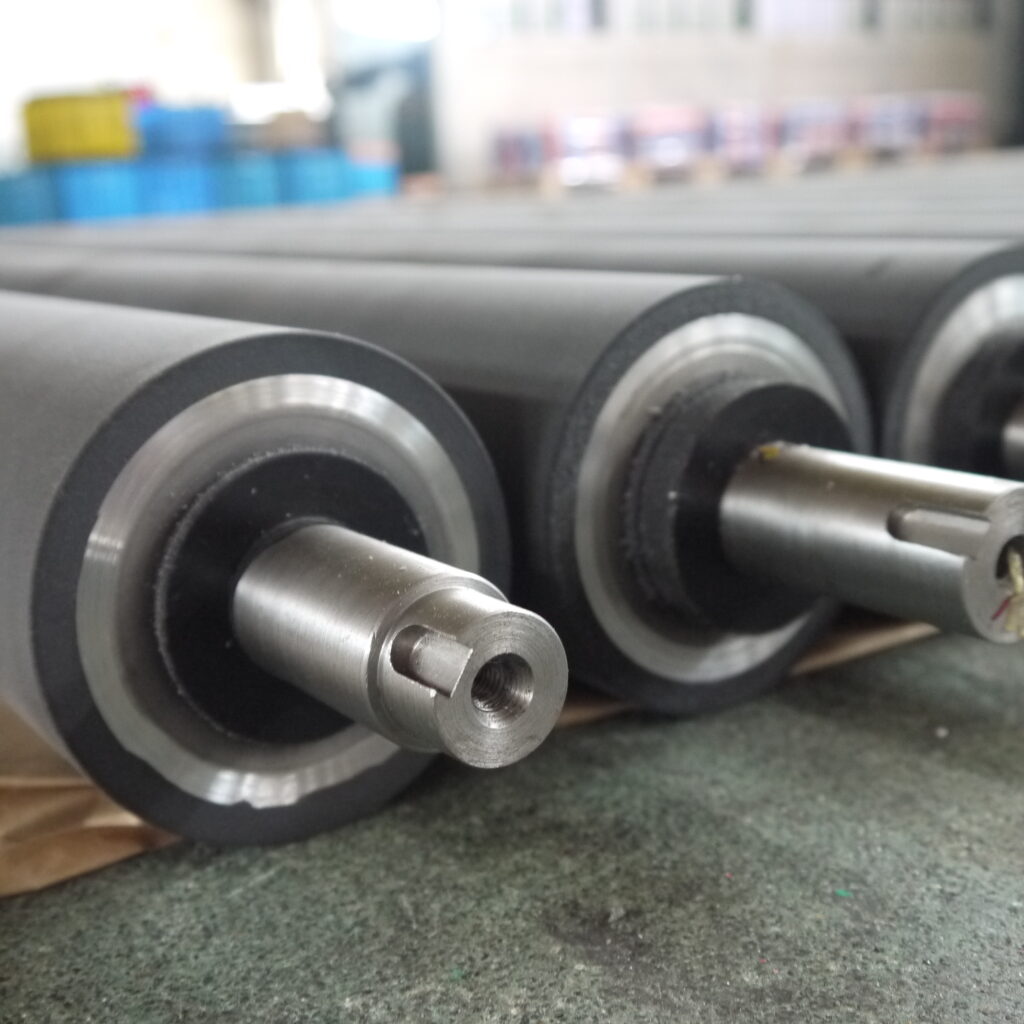
Ausfälle von Antriebsrollen beginnen selten mit katastrophalen Schäden. Meistens machen sich zunächst ein allmählicher Traktionsverlust, ungleichmäßiger Verschleiß oder Maßänderungen bemerkbar, die die Effizienz der Maschine beeinträchtigen, lange bevor das Bedienpersonal ein Problem bemerkt. In Fördersystemen, AGV-Plattformen, Verpackungsanlagen und automatisierten Produktionslinien können diese Probleme zu Schlupf, Spurfehlern, ungeplanten Ausfallzeiten und steigenden Wartungskosten führen.
Als Polyurethan-Spezialisten mit mehr als 20 Jahren Erfahrung in der Fertigung haben wir Polyurethan-Antriebsrollen speziell für anspruchsvolle industrielle Umgebungen entwickelt, in denen Zuverlässigkeit wichtiger ist als der Anschaffungspreis. Durch die Kombination kontrollierter Härtebereiche, hoher Abriebfestigkeit und anwendungsspezifischer Konstruktionen tragen unsere Rollen dazu bei, die Traktion zu verbessern, Wartungsintervalle zu verlängern und die Gesamtbetriebskosten in der Automatisierungstechnik zu senken, Materialtransport, sowie industrielle Verarbeitungssysteme.
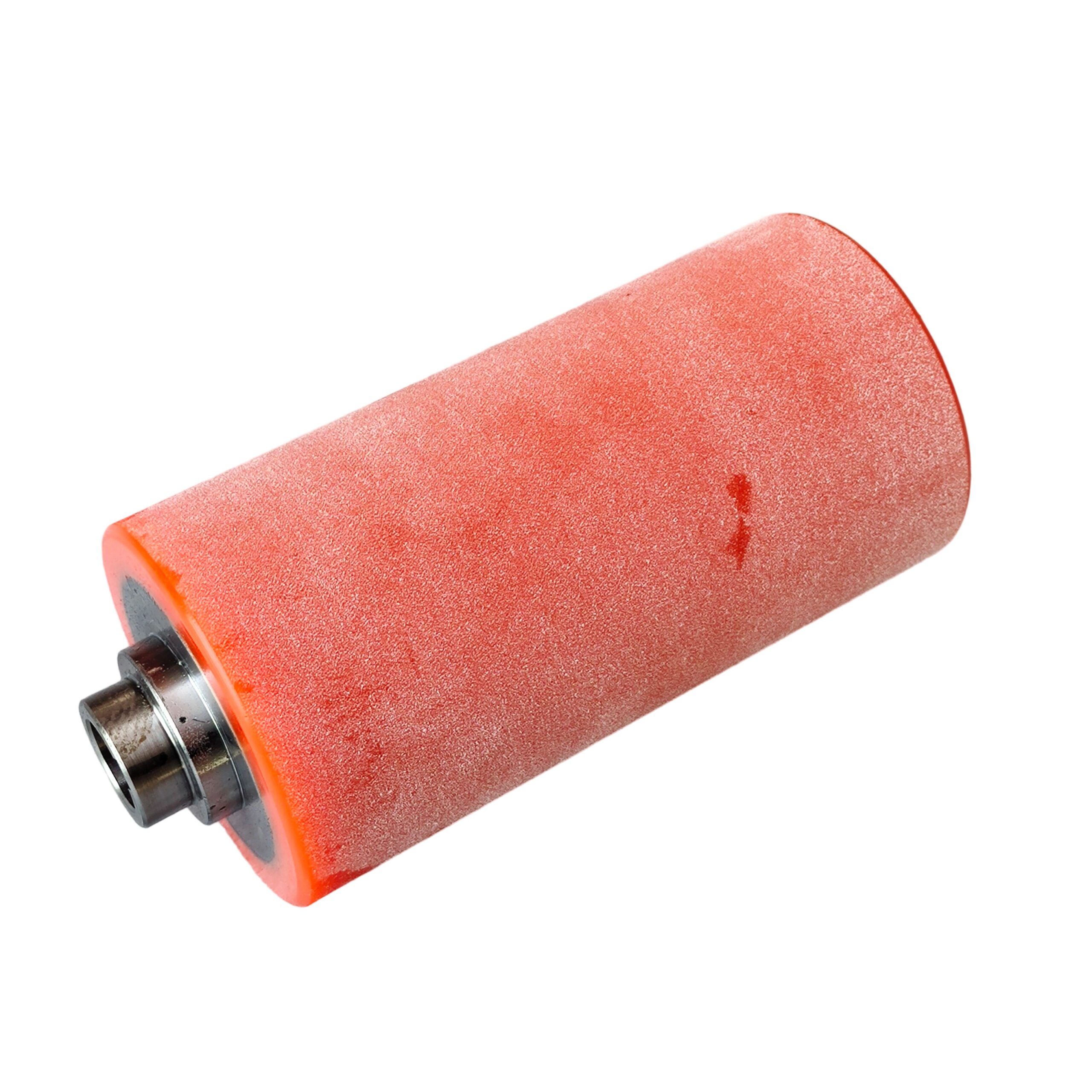
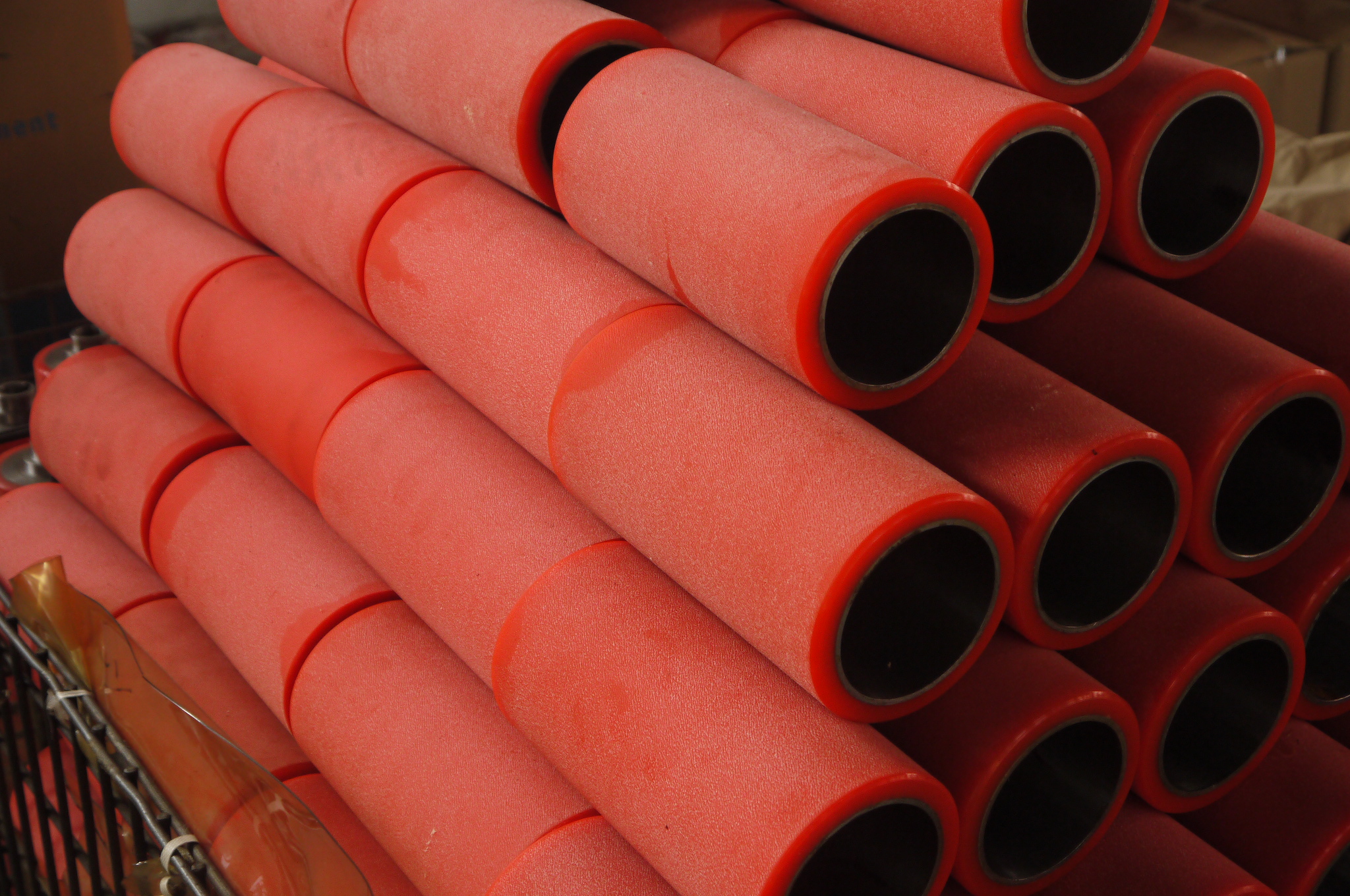
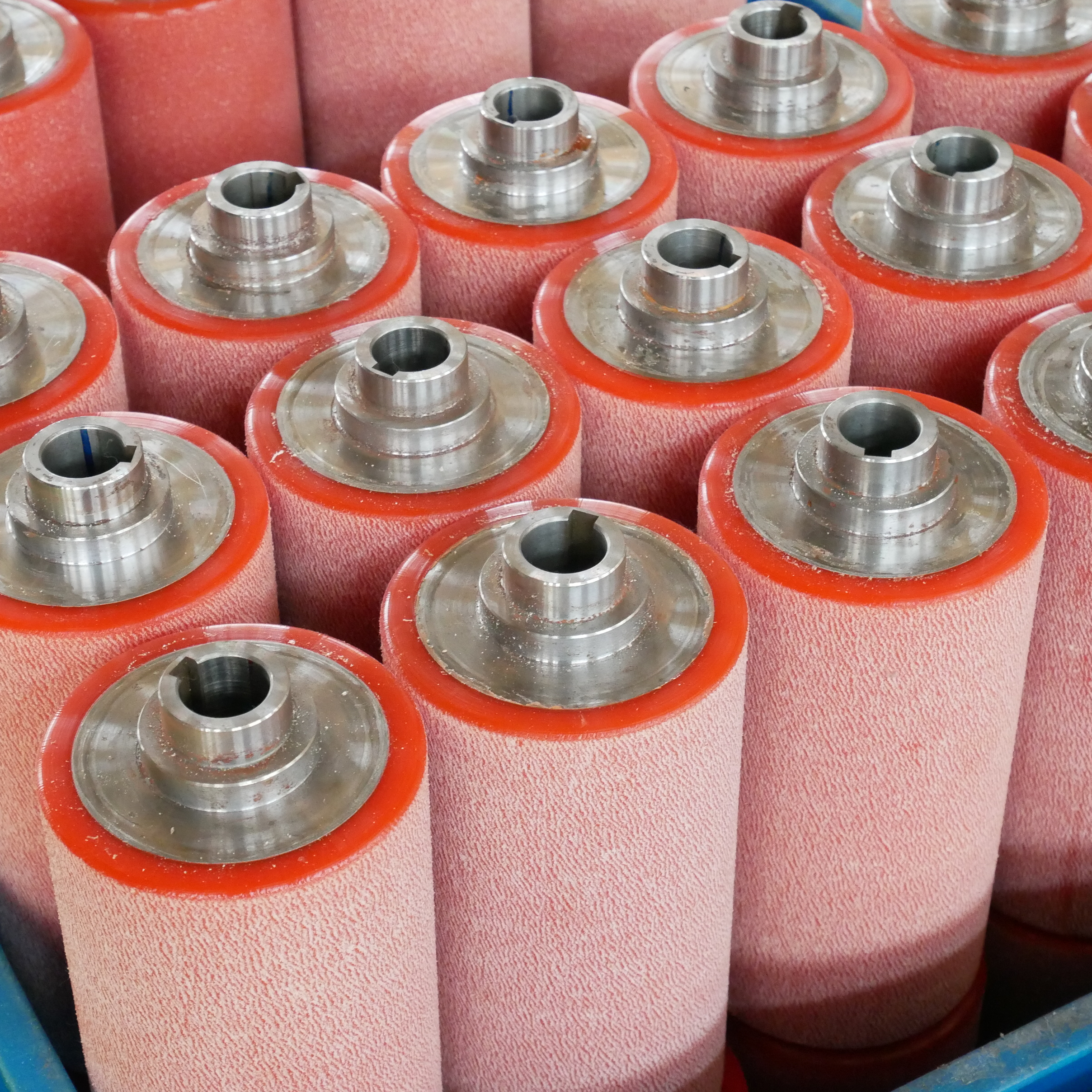
Maßgefertigte Polyurethan-Antriebsrollen für industrielle Förderanlagen
Wir passen Härte, Kernmaterial und Oberflächenausführung individuell an die Einsatzbedingungen in den Bereichen Bergbau, Logistik und Automatisierung an.
Anpassungsparameter
Spezifikationen
Zielgeräte/Industriezweige (Fahrszenarien)
Härtebereich
Shore 0A-98A-80D
Antrieb für Lebensmittelförderer (55A für schonende Behandlung), Antrieb für schweren Bergbau (90A für Abriebfestigkeit)
Abmessungen der Antriebsrolle
Durchmesser 1,5"-8", Länge 6"-72"; CNC-gefräst für enge Toleranzen
Industrielle Anwendungen von Antriebsrollen aus Polyurethan
Unsere PU-Antriebsrollen eignen sich für den Bergbau, Lagerhaltung und Logistik, Automobilindustrie sowie automatisierte Fertigungslinien für den Schwerlasttransport.
- Fahren von AGV-Materialflusssystemen in Lagern
- Hohe Tragfähigkeit, geeignet für schwere Maschinen und Bergbauanwendungen
- Wird in Fördersystemen in der Lebensmittelindustrie verwendet, um sichere, lebensmittelechte Optionen und chemische Beständigkeit zu gewährleisten.
- Handhabung des Reisentlausens in landwirtschaftlichen Betrieben
- Führende Kurvenbandförderer für Gepäck auf Flughäfen
- Rollende Bootstrailer (Kielwackelrollen) für die Schifffahrt
Technische Vorteile von Antriebsrollen aus gegossenem Polyurethan
Verifizierte Labordaten belegen, dass unsere Rollen in Bezug auf Abriebfestigkeit, Haftfestigkeit und Belastbarkeit besser abschneiden als Gummi und TPU.
– Haftfestigkeit der PU-Metall-Verbindung ≥ 25 MPa
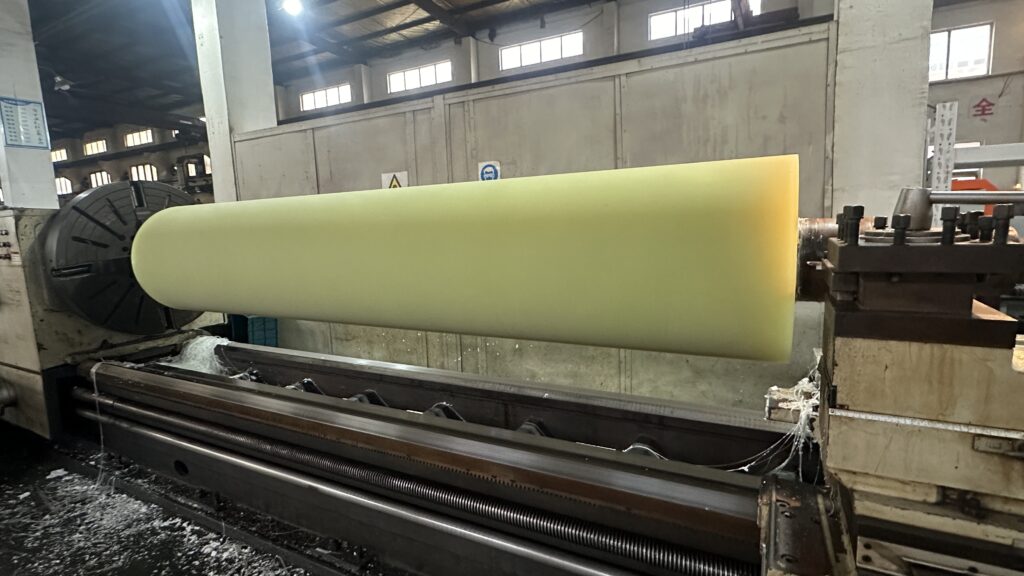
- Hauseigener CNC-Fräs- und Großdrehservice für große Walzen
- Korrosions-, chemikalien- und lösungsmittelbeständig gewährleisten den Betrieb in rauen Umgebungen, z. B. mit Säuren, Laugen und verschiedenen Lösungsmitteln.
- 24-Stunden-Ingenieur-Support für Zeichnungen und Materialauswahl
- Wirtschaftliche und leistungsstarke Optionen (Polyurethan auf NDI-Basis)
- Wiederbeschichtungsservice für gebrauchte Walzen zur Kostensenkung
Werkslieferung, OEM und Kundendienst für PU-Antriebsrollen
Direktverkauf ab Werk mit geringen Mindestbestellmengen, schneller Musterbereitstellung und umfassenden ISO-Zertifizierungen für globale OEM-Kunden.
- Mehr als 10.000 Polyurethan-Antriebsrollen hergestellt; Erfahrung im Sandstrahlen bis zur Nachbearbeitung.
- Rohmaterial wird bei jeder Charge geprüft und der Produktionsprozess kontrolliert.
- Manuelle Oberflächenvorbehandlung zur Gewährleistung einer starken PU-Kernverklebung.
Problem des Kunden: Die Original-Gummiwalzen delaminierten und verschlissen innerhalb von 3 Monaten unter einer dynamischen Belastung von 650 kg.
Unsere Lösung: Einsatz einer 90A-Polyether-PU-Formel mit sandgestrahltem Stahlkern.
Quantifiziertes Ergebnis: Nach 14 Monaten im 24/7-Betrieb beträgt der Abriebverlust lediglich 0,18 mm; die Ausfallzeit wurde um 80% reduziert. Polyurethan- vs. Gummiwalzen
Fall 2 (Tagebau, Südafrika)
Problem des Kunden: Herkömmliche PU-Rollen fielen unter starker Staubbelastung und hoher Reibung häufig aus.
Unsere Lösung: 95A NDI-basierte, besonders abriebfeste PU-Antriebsrollen.
Quantifiziertes Ergebnis: Die Lebensdauer stieg von 2,5 Monaten auf 13 Monate; die monatlichen Wartungskosten wurden um 62% gesenkt.
Schritt-für-Schritt-Leitfaden zur Auswahl von PU-Antriebsrollen
Wählen Sie Härte, Kern und Zusammensetzung entsprechend der Belastung, der Temperatur und dem Arbeitsmedium aus.
Schritt 1: Dynamische Last bestätigen Unter 500 kg: Wählen Sie 70 A–85 A; ab 500 kg: Wählen Sie 85 A–98 A für eine stabile Halterung.
Schritt 4: Oberflächenstil festlegen Glatt für den allgemeinen Transport; gerändelt für rutschfesten Transport.
Fehlerursachenanalyse
Häufige Fehlerursachen bei Antriebsrollen von Förderbändern und entsprechende Lösungen
Wir konzentrieren uns auf Delaminierung, Abrieb und Durchbiegung – die drei häufigsten Ursachen für Walzenausfälle, wie Untersuchungen ergeben haben Gießverfahren für polyurethanbeschichtete Walzen.
Delamination: Ursache: unzureichende Oberflächenbehandlung des Grundkörpers. Wir verwenden eine Sandstrahlbehandlung mit einer Rauheit von 12,5 μm Ra sowie eine Zweifachgrundierung.
Übermäßiger Abrieb: Problem mit minderwertigem Material. Für Anwendungen mit hoher Beanspruchung verwenden wir NDI/Polyester-PU.
Dauerhafte Durchbiegung: Falsche Härte. Wir passen den Shore-A-Wert an die tatsächliche dynamische Belastung an.
Thermische Verformung: Gefahr der Wärmeentwicklung. Für Hochgeschwindigkeitsanlagen verwenden wir PU-Formulierungen mit geringer Hysterese.
Suchen Sie nach anderen Radlösungen? Entdecken Sie unser komplettes Sortiment an [Polyurethan-Rollen]? Sehen Sie sich unser komplettes Sortiment an maßgefertigten Industrierollen an.
Warum fallen Antriebsrollen aus Polyurethan vorzeitig aus?
Ein vorzeitiger Ausfall von Polyurethan-Antriebsrollen wird in der Regel durch eine falsche Materialauswahl, unzureichende Haftfestigkeit, übermäßige Wärmeentwicklung oder eine ungeeignete Härte verursacht. Bei unseren Ausfalluntersuchungen sind Delaminierung, Abplatzungen und beschleunigter Verschleiß die Hauptursachen für die meisten Austauschfälle.
Welche Härte eignet sich am besten für Antriebsrollen aus Polyurethan?
Die meisten Antriebsrollen weisen eine Härte zwischen 85A und 95A Shore A auf. Eine geringere Härte verbessert die Traktion und die Stoßdämpfung, während eine höhere Härte die Belastbarkeit und die Verschleißfestigkeit erhöht. Bei AGV- und Fördersystemen werden üblicherweise Härtewerte von 90A bis 95A Shore A verwendet.
Wie lange halten Antriebsrollen aus Polyurethan?
Die Lebensdauer hängt von der Belastung, der Drehzahl, dem Zustand des Bodens und der Materialzusammensetzung ab. Im Vergleich zu Gummiwalzen erreichen fachgerecht konstruierte Antriebswalzen aus Polyurethan oft eine zwei- bis fünfmal längere Lebensdauer.
Antriebsrollen aus Polyurethan oder Gummi: Was ist besser?
Polyurethan bietet im Allgemeinen eine höhere Abriebfestigkeit, eine größere Belastbarkeit und einen geringeren Wartungsaufwand als Gummi. Gummi mag zwar eine kostengünstigere Schwingungsdämpfung bieten, nutzt sich jedoch unter industriellen Belastungen in der Regel schneller ab.
Welche Tragfähigkeit hat eine Antriebsrolle aus Polyurethan?
Die Tragfähigkeit hängt vom Rollendurchmesser, der Breite, der Härte und der Kernkonstruktion ab. Hochbelastbare Antriebsrollen aus Polyurethan werden üblicherweise in Anwendungen eingesetzt, bei denen Lasten von mehreren hundert Kilogramm bis zu mehreren Tonnen zu bewältigen sind.
Über welche Zertifizierungen sollte ein Anbieter von Polyurethan-Antriebsrollen verfügen?
Die meisten OEM-Einkäufer verlangen mindestens eine Zertifizierung nach ISO 9001. Bei Projekten in der Automobilindustrie und im Bereich der fortschrittlichen Fertigung können zusätzliche Qualitätssicherungssysteme, Rückverfolgbarkeit und Prüfdokumentation erforderlich sein.
Können Sie maßgefertigte Antriebsrollen aus Polyurethan nach Zeichnungen herstellen?
Können Sie maßgefertigte Antriebsrollen aus Polyurethan nach Zeichnungen herstellen?
Wie lang ist die Lieferzeit für maßgefertigte Antriebsrollen aus Polyurethan?
Die Fertigung von Prototypen von Antriebsrollen dauert in der Regel 5–10 Werktage. Serienaufträge erfordern in der Regel 15–30 Werktage, abhängig von den Werkzeugen, der Stückzahl und den Bearbeitungsanforderungen.
Wie haftet Polyurethan an Stahlwalzenkernen?
Bei Hochleistungs-Antriebsrollen kommen sandgestrahlte Stahlkerne in Kombination mit industriellen Klebesystemen wie Chemlok-Klebstoffen zum Einsatz. Eine ordnungsgemäße Oberflächenvorbereitung ist entscheidend, um eine Delaminierung des Polyurethans zu verhindern.
Um wie viel können Antriebsrollen aus Polyurethan die Wartungskosten senken?
Zwar sind Polyurethan-Rollen anfangs vielleicht teurer, doch führen eine längere Lebensdauer, geringere Ausfallzeiten und eine geringere Austauschhäufigkeit in der Regel zu niedrigeren Gesamtbetriebskosten über den gesamten Lebenszyklus der Anlage hinweg.