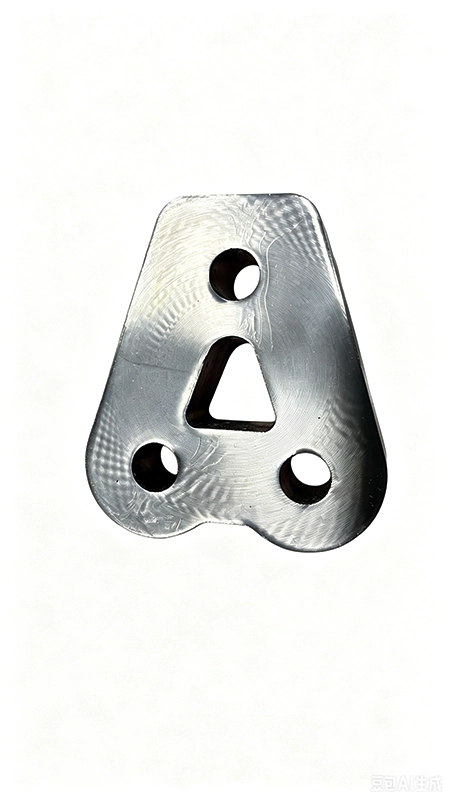
Vehicle and industrial fleet operators constantly face premature failure of rubber and low-grade PU exhaust hangers. These cheap alternatives crack under cyclic vibration, degrade in oil and high heat, and trigger frequent part replacements. Every unplanned repair stops production, raises hidden maintenance costs and drags down overall operational efficiency across automotive aftermarket and commercial vehicle sectors.
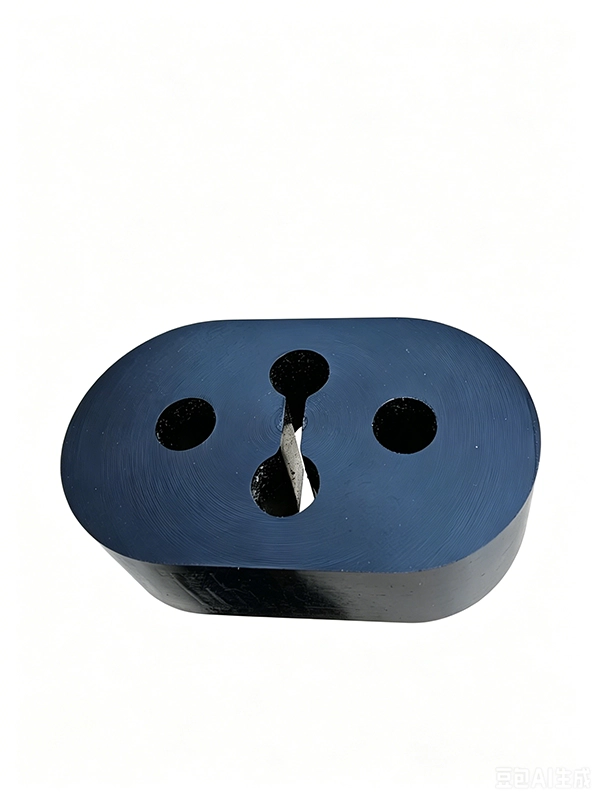
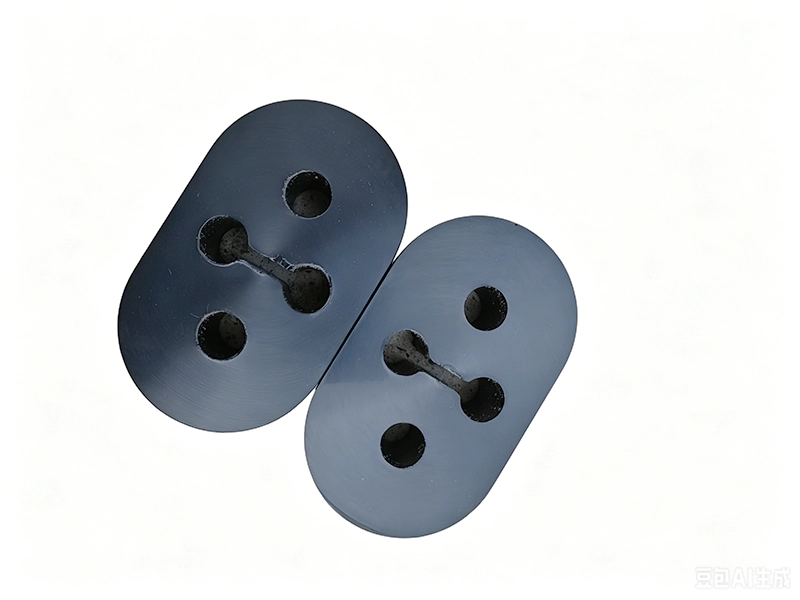
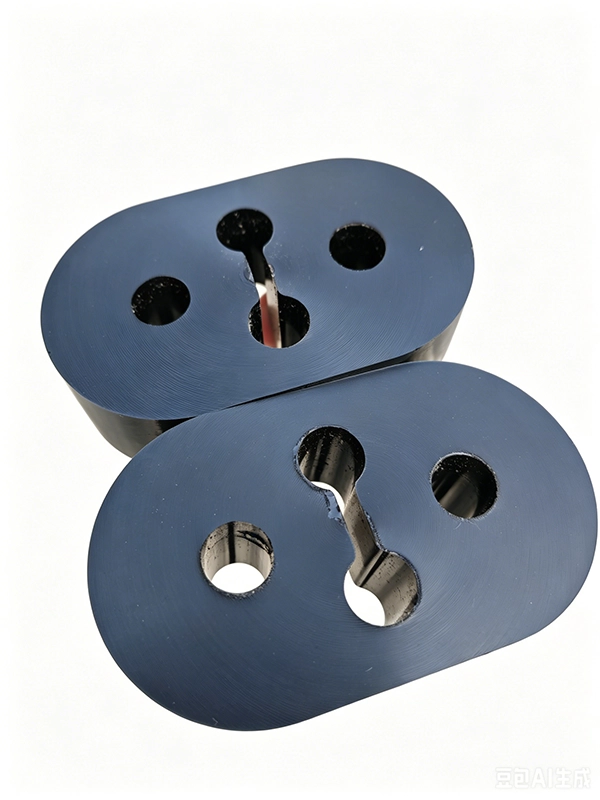
We are a China-based polyurethane manufacturer and factory supplier with 20 years of material R&D. Our cast polyurethane exhaust tail pipe mount bracket hanger bushing insulator solves the above issues. Lab-verified mechanical properties and standardized production deliver stable performance, helping clients from automotive industry cut maintenance cycles and control total operation cost.
Industrial Application Scenarios of Polyurethane Exhaust Hanger
This PU insulator fits passenger cars, trucks, fleets and OEM production lines for standard and modified exhaust system installation.
– Matches standard passenger car original exhaust pipe mounting assemblies.
– Fits light-duty trucks and delivery fleets for long-distance road operation.
– Applies to modified performance vehicles for stable exhaust support.
– Used in OEM factory production for mass vehicle assembly lines.
– Works for off-road vehicles resisting complex terrain vibration impact.
Reasons to Select Our Factory Direct PU Exhaust Hanger(OEM & Aftermarket)
The purchase price of an exhaust hanger is usually insignificant compared with the cost of maintenance labor, vehicle downtime, and replacement frequency. We focus on lifecycle cost rather than piece-part cost.
– Factory-direct manufacturing
– OEM & ODM support
– ISO 9001 / ISO 14001 / ISO 45001 certified
– Low MOQ support
– Rapid prototype development
– Engineering design assistance
– Material selection recommendations
– Batch traceability system
– Global export experience
Case Study: Solving Premature Exhaust Hanger Failure in a Commercial Truck Fleet
Most polyurethane exhaust hanger upgrades succeed because the root cause is identified before the replacement component is redesigned.
Customer Type
Regional Heavy-Duty Truck Fleet Operator
Problem
The customer experienced repeated rubber hanger failures every 6–8 months.
Common issues included:
Cracking around mounting holes
Permanent deformation under load
Increased exhaust system vibration
Frequent maintenance interventions
Rising replacement part consumption
Our Technical Intervention
After reviewing the operating environment and failure patterns, we replaced the original rubber hanger with an 85A Shore A cast polyurethane formulation optimized for vibration isolation and long-term load retention.
Laboratory validation included:
ISO 815-1 Compression Set Testing
ISO 34-1 Trouser Tear Strength Testing
Internal Dynamic Fatigue Simulation
Elevated Temperature Aging Evaluation
Results
Metric
Original Rubber
Polyurethane Design
Compression Set (ISO 815-1)
28%
11%
Tear Strength (ISO 34-1)
18 kN/m
42 kN/m
Replacement Interval
6–8 Months
24+ Months
Maintenance Events
Frequent
Significantly Reduced
Outcome
After installation, the fleet monitored the upgraded exhaust hangers for more than two years under normal operating conditions. No structural failures were reported during the observation period. The lower compression set helped maintain exhaust alignment, while the higher tear resistance reduced cracking around mounting points.
For the maintenance department, the biggest benefit was not the longer service life of the hanger itself. It was the reduction in scheduled replacements and the associated labor costs across the fleet.
Step-by-Step Selection Guide for PU ExhaustHanger(For Engineers & Buyers)
Follow 5 steps to select matched hardness, size and temperature grade per your vehicle type and working environment.
Step 1: Confirm hole diameter dimension
Measure original part hole diameter (11/12/14 mm) to ensure assembly compatibility.
Step 2: Select Shore A hardness
70A-80A for passenger cars; 85A-95A for trucks, fleets and heavy-load equipment.
Step 3: Choose hole structure
2-hole for standard exhaust; 4-hole for overweight tail pipe and heavy machinery.
Step 4: Match operating temperature grade
Pick -40°C~80°C for temperate zones; -40°C~120°C for high-heat engine areas.
Step 5: Confirm order demand
Standard parts for spot purchase; submit drawings for non-standard OEM customized products.
Is Polyurethane Better Than Rubber for Exhaust Hanger Bushings?
In most heavy-duty vehicle applications, yes. Cast polyurethane typically provides lower compression set, higher tear resistance, and longer service life than conventional rubber. For fleets operating under continuous vibration and heat exposure, polyurethane often lasts 2–4 times longer than standard rubber hangers.
What is the exact Shore Hardness, and will it transfer NVH (Noise, Vibration, Harshness) to the vehicle cabin?
Our standard heavy-duty hangers are engineered to Shore 75A to 80A (ISO 48-4 / ASTM D2240). This durometer is structurally calculated: it provides enough structural rigidity to eliminate excessive exhaust pipe sway or whipping, yet retains the inherent elastomeric damping properties of polyurethane to absorb high-frequency drivetrain harmonics, preventing NVH transfer into the chassis or cabin.
How do your hangers perform under high-heat conditions? Will they stretch or sag?
Under continuous exhaust radiant heat up to 120 degree C, our material exhibits exceptional thermal-oxidative stability. Tested under ISO 815-1, our high-temperature compression set is lower than 18%. This means even under a constant 30kg heavy-gauge static exhaust load, our hangers eliminate structural creep and permanent stretching, keeping the tailpipe perfectly aligned without sagging over years of operation.
What factory certifications and environmental compliance standards do your products meet?
Our manufacturing facility is fully certified under ISO 9001:2015 and we align our production lines with automotive-grade quality management systems. Furthermore, all our polyurethane formulations are fully compliant with European and North American environmental regulations, carrying verified FDA and RoHS certifications. Material Test Reports (MTRs) and compliance certificates are available for every production batch.
What is the tooling cost and lead time for custom OEM/ODM geometries?
Because we utilize a casting process (CPU) rather than injection molding, our tooling costs are significantly lower—typically ranging from $100 to $300 USD depending on geometric complexity. Rapid lead time can be within 10-12 business days, allowing us to deliver physical first-article samples for your engineering verification quickly. We also offer complimentary laser-etching for your private label brand logos on custom orders.
Are these hangers suitable for heavy-duty commercial fleets and extreme off-road environments?
Yes, they are purpose-built for extreme duty cycles. They are highly specified for Performance/Modified Cars and Commercial & 4x4 Off-Road Fleets.
Can You Manufacture Custom Polyurethane Exhaust Hangers From Drawings?
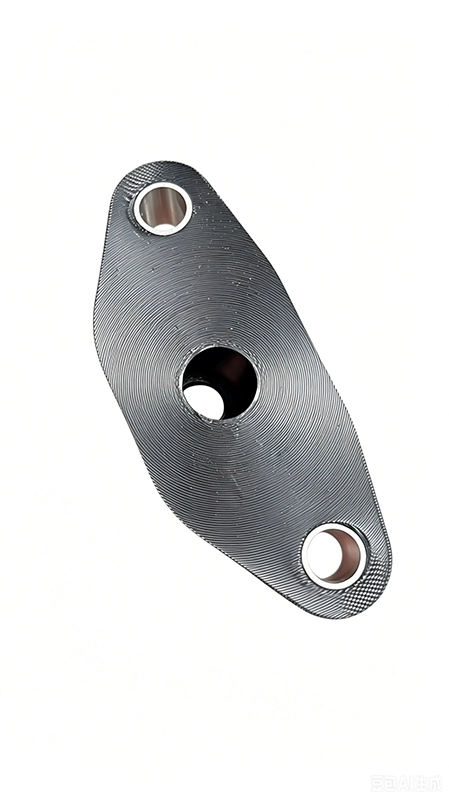
Yes. We regularly manufacture custom polyurethane exhaust mount bushings from customer-supplied STEP, DWG, PDF, and IGES files. OEM and aftermarket designs can be produced with custom dimensions, hardness levels, and metal insert configurations.
What Is the Typical MOQ for Custom Polyurethane Exhaust Bushings?
MOQ varies according to part size, tooling requirements, and production complexity. Prototype quantities and low-volume production runs are available for testing, validation, and new product development projects.