工業用ロープおよびケーブルシステムは、滑車、フェアリード、ローラー、および端部において、摩耗、衝撃、曲げ、風化、局所的な接触圧力を受ける可能性があります。ローププロテクターは、ロープの構造、荷重、動き、接触形状、環境、および検査計画に基づいて指定する必要があります。.
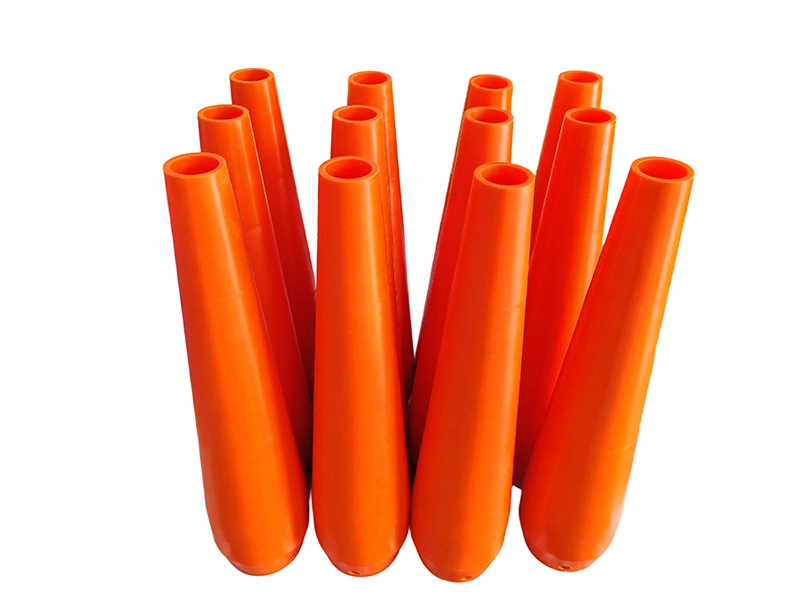
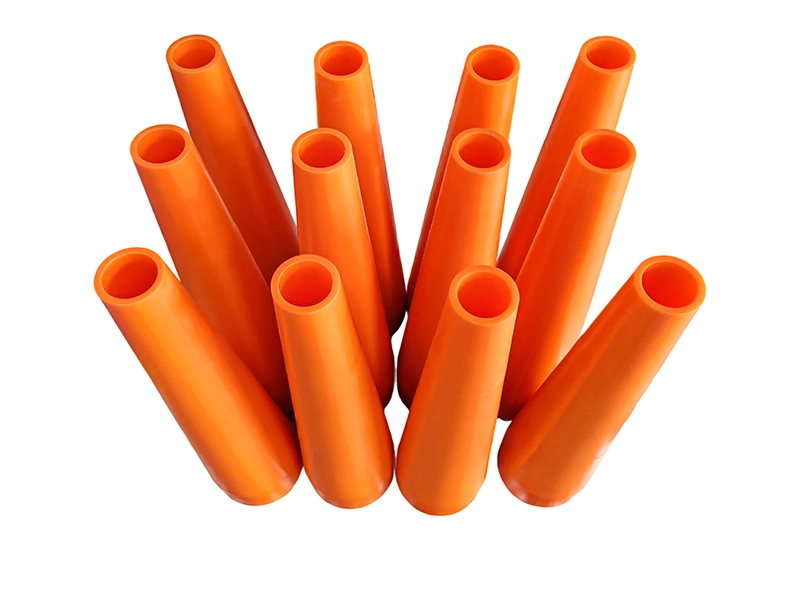
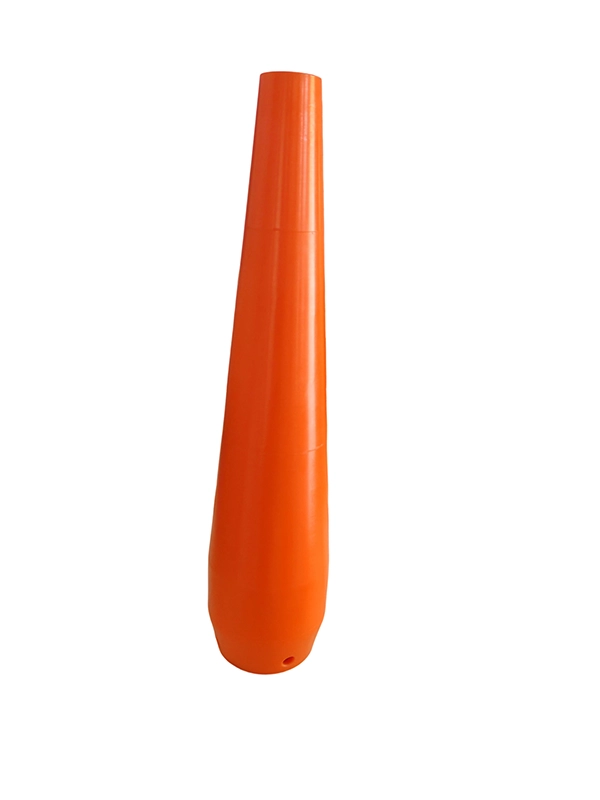
当社はオーダーメイド製品を製造しています 成形ポリウレタン製ローププロテクター これらの接触箇所については、配合、硬度、肉厚、分割設計、締結、および補強は、オフショア曳航システム、地下などに合わせて調整できます。 鉱業 ホイスト、クレーン、その他の産業用ロープ装置。.
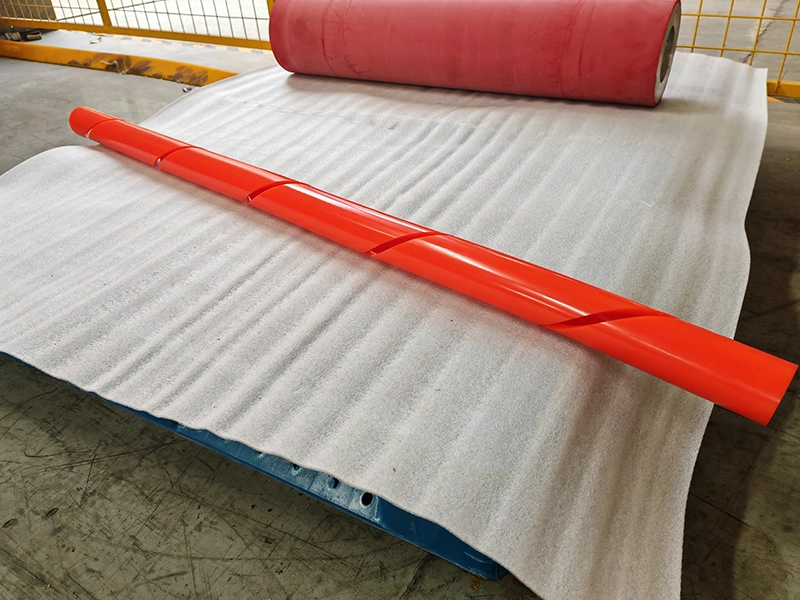
OEM機器および各種ワイヤーロープサイズに対応した特注ポリウレタン製ローププロテクター
ロープはそれぞれ異なる曲げ半径、荷重、使用環境、設置条件の下で動作します。ロープの直径だけでなく、使用荷重全体を考慮して、形状、硬度、および取り付け設計を選択してください。.
| 仕様項目 | エンジニアリング製品群 | 用途例 |
|---|
| 硬度 | サービス条件から選択 | 沖合用曳航ロープ |
| ロープの直径 | ロープの寸法と適合要件に合わせてカスタム製作 | 船舶用ウインチ |
| 長さ | 保護された接点の長さに合わせてカスタマイズ | クレーンシステム |
| 壁の厚さ | 荷重、移動、クリアランスから選択 | 鉱山用巻上げ機 |
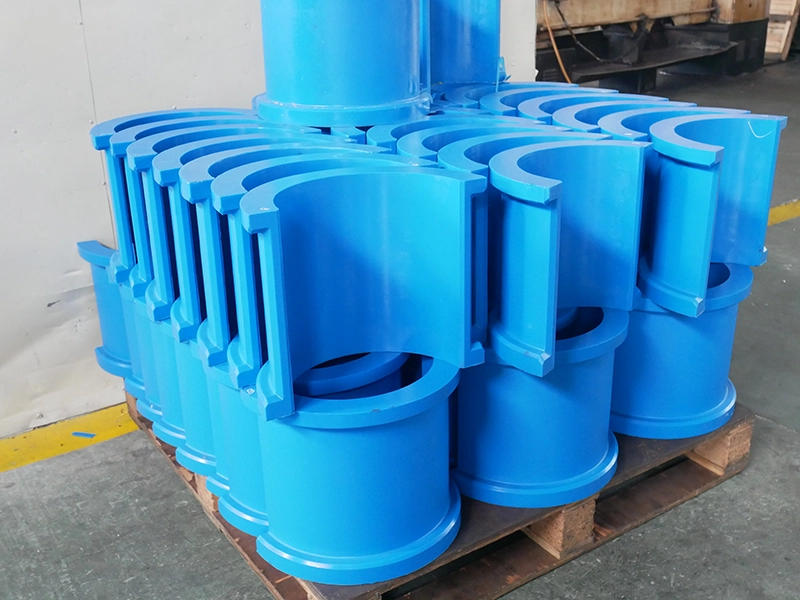
| 分割デザイン | はい | 既存ロープの改修 |
| ワンピーススリーブ | はい | OEM用ロープアセンブリ |
| 色 | 黄色、オレンジ、赤、黒 | 機器の識別 |
| 埋め込み補強 | 任意 | 衝撃の強い箇所 |
| ロゴと部品番号 | レーザー加工/成形 | OEMブランド展開 |
海洋、鉱業、クレーン、船舶用途向けのポリウレタン製ローププロテクター
作業環境は、硬度そのものよりも、プロテクターの性能に大きな影響を与えます。摩耗パターン、ロープの動きの頻度、衝撃エネルギー、および環境への曝露については、すべて事前に評価する必要があります。 ポリウレタン配合の選定.
– 海港における係留ロープの、塩水による腐食および岸壁との摩擦に対する保護
– 繰り返し発生する吊り上げ張力および衝撃荷重に耐える建設用クレーン用ワイヤーロープガード
– 坑内ケーブルの岩石との摩擦および低温による経年劣化に対する保護
– プロジェクト固有の紫外線耐性および耐候性要件を満たす洋上風力発電および屋外ケーブルシステム
– 物流用重量物運搬機器における、長時間静荷重作業時のロープ保護
ポリウレタン製ローププロテクターの一般的な故障原因と、その防止策
プロテクターの破損原因としては、材料選定、局所的な形状、嵌合状態、固定方法、汚染、荷重、設置方法などが考えられます。主な破損モードを特定することで、エンジニアは硬度だけに頼ることなく設計を見直すことができます。.
| 故障モード | 根本原因 | エンジニアリングレビュー |
|---|
| 表面のひび割れ | 不適切な表現 | ポリエーテル系 |
| 急速な摩耗 | 低硬度 | 配合の最適化 |
| エッジの破れ | 鋭い接触 | Radiusの再設計 |
| スライド | サイズが合わない | 許容誤差の最適化 |
| 圧縮変形 | 過負荷 | 壁の厚さを増やす |
| 加水分解 | 湿気への曝露 | 加水分解耐性のある製剤 |
- カスタム成形ポリウレタン製品の製造において、どのように品質管理を行っているのか?
ロープ保護の適用例と検証方法
ローププロテクターの有効性は、設置データ、点検間隔、写真、寸法チェック、ロープの状態記録などの文書化されたデータに基づいて検証してください。実験データは選定の参考になりますが、実際の使用状況や環境を考慮して解釈する必要があります。.
応用例1 – 海上曳航ロープ
問題
既存の曳航ロープは、フェアリードと接触する部分に集中的な摩耗が見られた。.
エンジニアリングレビュー
- 再設計された分割型ポリウレタンプロテクター
- 肉厚の増加
- 接触圧力、曲げ、摩耗の観察結果に基づいて硬度を選定
検証計画
ロープとプロテクターを規定の間隔で点検し、摩耗箇所と摩耗深さを比較して、記録された状態に基づいてメンテナンス間隔を設定する。.
応用例2 – 地下鉱山用ホイスト
問題
既存の保護材は、度重なる衝撃や曲げによってひび割れが生じた。.
エンジニアリングレビュー
カスタムレビュー 鋳造ポリウレタン 等級、肉厚、エッジ半径、嵌合性、および固定方法。.
検証計画
点検間隔は、代表的な設備を実際の稼働状況下で監視した後にのみ確定してください。.
重工業用機器向けのポリウレタン製ローププロテクターの選び方
適切な選定は、カタログの寸法ではなく、使用条件から始める必要があります。ロープの直径、構造、曲げ頻度、接触圧力、および環境暴露条件を総合的に考慮することで、プロテクターの形状とポリウレタンの配合が決定されます。.
手順 1 — ロープの直径を測定する
ロープの直径と構造を測定し、適合性、動き、設置、および製造公差を考慮に入れてください。.
ステップ 2 — 接触面の評価
摩耗箇所を特定する:
ステップ3 — 環境の特定
ステップ 4 — 硬度を選択する
一般的な推奨事項:
- 動的曲げ:柔軟性、適合性、疲労挙動を優先する
- 激しい摩耗:耐摩耗性と曲げおよび衝撃に対する要求とのバランスを取る
ステップ 5 — インストールの確認
選択してください: