Polyurethan-Seilschutz für Offshore- und Bergbauanwendungen
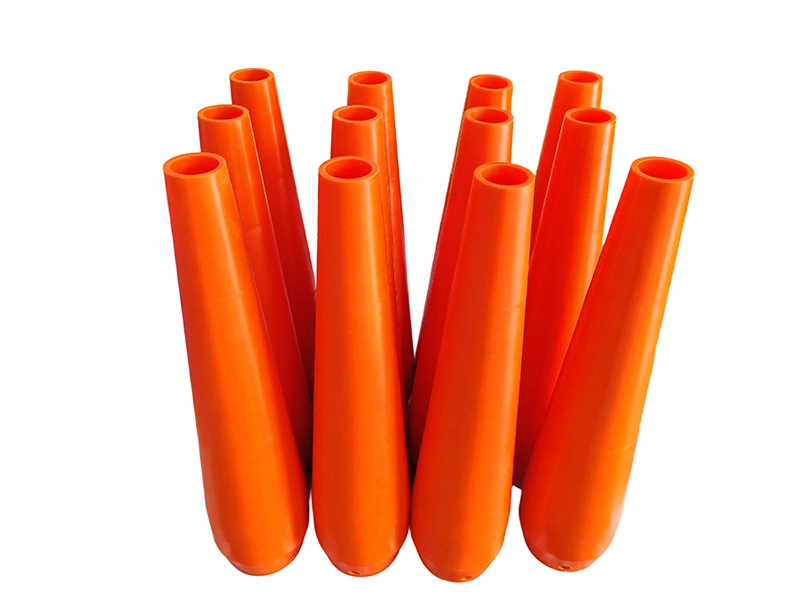
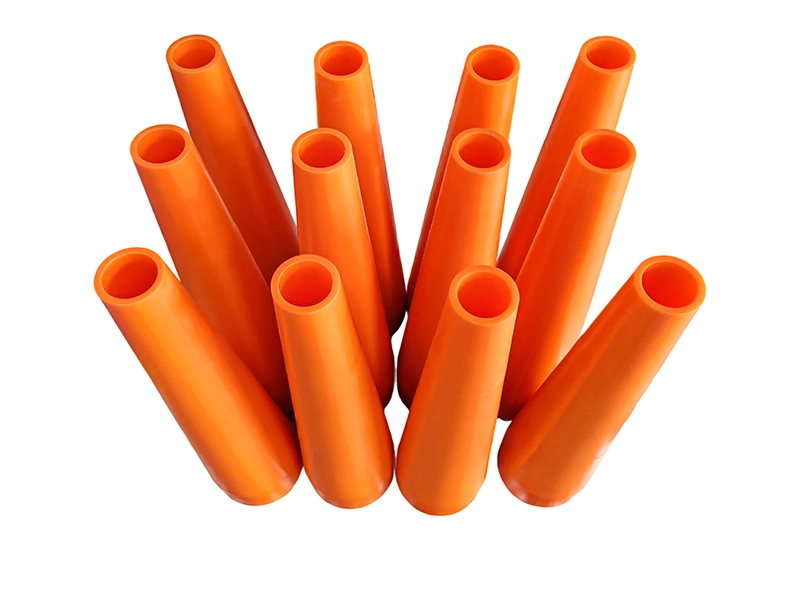
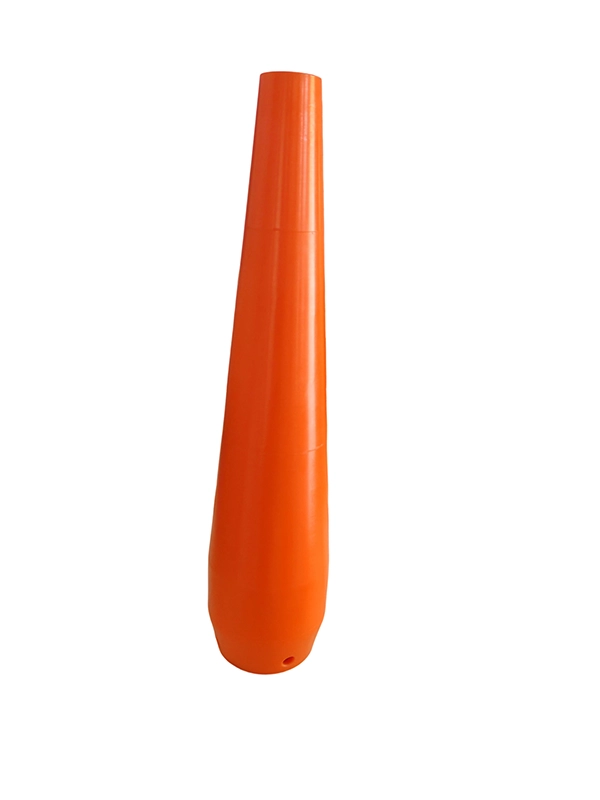
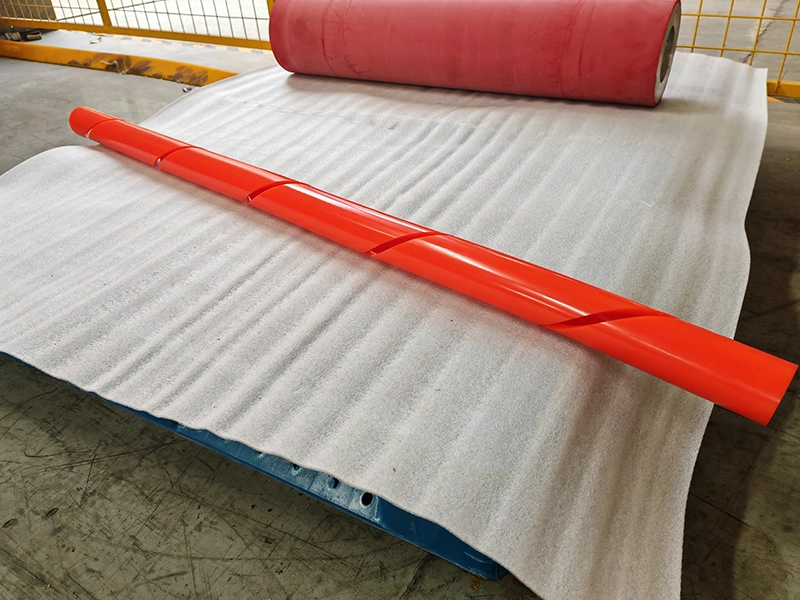
Maßgefertigte Seilschutzvorrichtungen aus Polyurethan für Kran-, Schiffs-, Offshore- und Bergbauseilsysteme.
- Formuliertes Gusselastomer: Entwickelt, um Seile und Schlingen bei korrekter Montage und Prüfung vor lokalem Kantenkontakt zu schützen.
- Anwendungsgerechte Reißfestigkeit unterstützt wiederholten Kontakt, nachdem die Formulierung und Geometrie validiert wurden.
- Kundenspezifische Abmessungen ermöglichen eine kontrollierte Passform, Installation und Inspektion der jeweiligen Seilkonstruktion.
- Wandstärke und Konstruktion können entsprechend der zu erwartenden Belastung, Biegung, dem erforderlichen Freiraum und der Betriebstemperatur ausgewählt werden.
- Einsatz bei niedrigen Temperaturen: Geben Sie die erforderliche Temperatur an und überprüfen Sie die Flexibilität und das Schlagverhalten der ausgewählten Formulierung.
Branchen, die wir bedienen: Offshore, Bergbau, Kran, Schifffahrt
Industrielle Seil- und Kabelsysteme können Abrieb, Stößen, Biegungen, Witterungseinflüssen und lokalem Druck an Seilscheiben, Umlenkrollen, Rollen und Kanten ausgesetzt sein. Der Seilschutz sollte anhand der Seilkonstruktion, der Belastung, der Bewegung, der Kontaktgeometrie, der Umgebungsbedingungen und des Inspektionsplans ausgewählt werden.
Wir fertigen nach Maß Seilschutzvorrichtungen aus gegossenem Polyurethan Für diese Kontaktstellen können Zusammensetzung, Härte, Wandstärke, Spaltkonstruktion, Befestigung und Verstärkung an Offshore-Schleppsysteme und unterirdische Anlagen angepasst werden. Bergbau Hebezeuge, Kräne und andere industrielle Seilkonstruktionen.
Maßgefertigte Seilschutzvorrichtungen aus Polyurethan für OEM-Geräte und verschiedene Drahtseilgrößen
Jedes Seil unterliegt unterschiedlichen Biegeradien, Belastungen, Expositionsbedingungen und Installationsanforderungen. Geometrie, Härte und Befestigungsdesign sollten anhand der gesamten Beanspruchung und nicht allein anhand des Seildurchmessers ausgewählt werden.
Benutzerdefinierte Parameter
Technikbereich
Typische Anwendungen
Härte
Aus den Servicebedingungen ausgewählt
Offshore-Schleppseile
Seildurchmesser
Maßanfertigung nach Seilmaß und Passformanforderungen
Schiffswinden
Länge
Individuell anpassbare Länge des geschützten Kontakts
Krananlagen
Wandstärke
Ausgewählt aus Last, Bewegung und Freiraum
Bergbauaufzüge
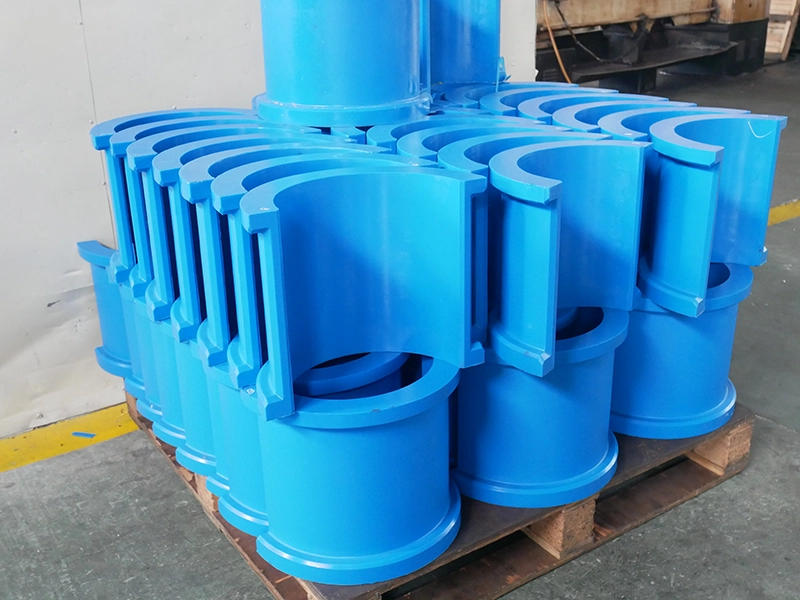
Geteiltes Design
Ja
Nachrüstung bestehender Seile
Einteiliger Ärmel
Ja
OEM-Seilbaugruppe
Farbe
Gelb, Orange, Rot, Schwarz
Gerätekennzeichnung
Eingebettete Bewehrung
Optional
Bereiche mit starker Beanspruchung
Logo & Artikelnummer
Lasergeschnitten / Geformt
OEM-Branding
Polyurethan-Seilschutzvorrichtungen für Offshore-, Bergbau-, Kran- und Schifffahrtsanwendungen
Das Arbeitsumfeld hat einen größeren Einfluss auf die Leistungsfähigkeit des Schutzes als die Härte allein. Das Abriebmuster, die Häufigkeit der Seilbewegungen, die Aufprallenergie und die Umwelteinflüsse sollten alle vor Auswahl von Polyurethan-Formulierungen.
– Schutz von Anlege- und Festmacherleinen in Seehäfen vor Salzwasserkorrosion und Abrieb an der Kaimauer
– Drahtseilschutz für Baukrane, ausgelegt für wiederkehrende Hubzug- und Stoßbelastungen
– Schutz von Untertagekabeln vor Gesteinsreibung und Alterung bei niedrigen Temperaturen
– Offshore-Windparks und Freiluftkabelsysteme mit projektspezifischen UV- und Witterungsanforderungen
– Seilschutz für schwere Hebezeuge in der Logistik bei Arbeiten mit lang andauernder statischer Belastung
Häufige Ausfallursachen bei Seilschutzvorrichtungen aus Polyurethan und wie wir diese verhindern
Das Versagen von Schutzvorrichtungen kann auf Materialwahl, lokale Geometrie, Passung, Befestigung, Verschmutzung, Belastung oder Montage zurückzuführen sein. Die Identifizierung des dominanten Versagensmechanismus hilft Ingenieuren, die Konstruktion zu überarbeiten, ohne sich allein auf die Härte zu verlassen.
Anwendungsbeispiele und Validierungsmethoden für Seilschutzsysteme
Die Eignung von Seilschutzvorrichtungen ist anhand dokumentierter Installationsdaten, Inspektionsintervalle, Fotos, Maßkontrollen und Aufzeichnungen zum Seilzustand zu prüfen. Labordaten können die Auswahl unterstützen, sollten aber stets im Kontext der tatsächlichen Nutzung und Umgebungsbedingungen interpretiert werden.
Anwendungsbeispiel 1 – Offshore-Schleppseil
Problem
Die vorhandenen Schleppseile wiesen konzentrierten Verschleiß an den Stellen auf, an denen sie mit einer Umlenkrolle in Berührung kamen.
Technische Überprüfung
Neu gestalteter, geteilter Polyurethan-Schutz
Erhöhte Wandstärke
Härtebestimmung anhand von Kontaktdruck-, Biege- und Verschleißbeobachtungen
Validierungsplan
Überprüfen Sie Seil und Schutzvorrichtung in festgelegten Abständen, vergleichen Sie Verschleißstellen und -tiefen und legen Sie das Wartungsintervall anhand des aufgezeichneten Zustands fest.
Anwendungsbeispiel 2 – Untertage-Förderanlage
Problem
Die vorhandenen Schutzvorrichtungen wiesen nach wiederholten Stößen und Biegungen Risse auf.
Technische Überprüfung
eine benutzerdefinierte gegossenes Polyurethan Güteklasse, Wandstärke, Kantenradien, Passung und Befestigungsmethode.
Validierungsplan
Das Inspektionsintervall kann erst bestätigt werden, nachdem eine repräsentative Anlage im realen Betrieb überwacht wurde.
So wählen Sie Polyurethan-Seilschutzvorrichtungen für schwere Industrieanlagen aus
Die richtige Auswahl beginnt mit den Betriebsbedingungen und nicht mit den Katalogabmessungen. Seildurchmesser, Konstruktion, Biegefrequenz, Anpressdruck und Umwelteinflüsse bestimmen gemeinsam die Geometrie des Schutzes und die Polyurethan-Zusammensetzung.
Schritt 1 – Seildurchmesser messen
Messen Sie den Seildurchmesser und die Konstruktion und berücksichtigen Sie dabei Passgenauigkeit, Bewegungsfreiheit, Montageaufwand und Fertigungstoleranzen.
Dynamische Biegung: Flexibilität, Passform und Ermüdungsverhalten priorisieren.
Starker Abrieb: Verschleißfestigkeit mit Biege- und Stoßfestigkeitsanforderungen in Einklang bringen
Schritt 5 – Installation bestätigen
Wählen Sie:
Geteiltes Design
Einteilige, geformte Hülse
Wie sollten gegossenes Polyurethan, TPU und Gummi hinsichtlich ihrer Eignung zum Seilschutz verglichen werden?
Vergleichen Sie spezifische Güteklassen hinsichtlich Reißfestigkeit, Abriebfestigkeit, Druckverformungsrest, Schnittausdehnung, Biegefestigkeit, Temperaturbeständigkeit, Beständigkeit gegenüber Chemikalien, Herstellungsverfahren und Montage. Die Materialbezeichnung allein gibt keine Auskunft über die Leistungsfähigkeit; testen Sie repräsentative Protektoren unter den tatsächlichen Kontaktpunkten und Belastungen.
Wie sollten Polyether- und Polyester-basierte Polyurethane für den Einsatz im maritimen Bereich ausgewählt werden?
Polyetherbasierte Polyurethane eignen sich häufig für feuchte oder nasse Umgebungen, während Polyester-basierte Typen für andere Verschleiß- oder Flüssigkeitsbedingungen geeignet sein können. Vor der Zulassung muss die genaue Zusammensetzung hinsichtlich Beständigkeit gegenüber Meerwasser, Temperatur, Mikroorganismen, Ölen, Reinigungsmitteln, Belastung und Expositionsdauer geprüft werden.
Wie wird die Kompatibilität mit Dyneema, Polyester, Nylon oder anderen synthetischen Seilen geprüft?
Die Polyurethanrezeptur und die Additive sind mit dem Seilhersteller abzuklären. Anschließend sind an repräsentativem Seilmaterial Tests hinsichtlich Kontakt, Druck, Temperatur, Wasser, Ölen, Reinigungsmitteln und Einwirkungsdauer durchzuführen. Markierung, Quellung, Erweichung und Festigkeitserhalt sind für die jeweilige Kombination zu bewerten.
Sind geteilte Seilschoner besser als einteilige Hülsen?
Geteilte Ausführungen ermöglichen die Montage, ohne dass das Seil entfernt werden muss, und eignen sich daher ideal für Wartungs- und Nachrüstungsprojekte. Einteilige Hülsen werden in der Regel für neue Seilkonstruktionen bevorzugt, die einen durchgehenden Schutz erfordern.
Sind Seilschutzvorrichtungen aus Polyurethan beständig gegen Meerwasser, Öl und UV-Strahlung?
Für Meerwasser, Öle, Fette oder den Einsatz im Freien kann eine geeignete Formulierung spezifiziert werden, die Beständigkeit variiert jedoch je nach Belastungsgrad und Expositionsart. Definieren Sie die Medien, die Konzentration, die Temperatur, die Einwirkzeit, das Reinigungsverfahren und die UV-Anforderungen und überprüfen Sie anschließend das ausgewählte Material anhand von Lieferantendaten und repräsentativen Tests.
Wie lange halten Seilschutzvorrichtungen aus Polyurethan?
Die Lebensdauer hängt von Seilbewegung, Kontaktgeometrie, Belastung, Abrieb, Stößen, Umgebungsbedingungen, Installation und Prüfkriterien ab. Das Austauschintervall sollte anhand dokumentierter Versuche und regelmäßiger Zustandsprüfungen und nicht anhand einer universellen Lebensdauer oder eines Materialvergleichs festgelegt werden.
Können Seilschutzvorrichtungen aus Polyurethan nach Maß gefertigt werden?
Ja. OEM-Hersteller passen Seildurchmesser, Hülsenlänge, Wandstärke, Spaltkonstruktion, Härte, Farbe, Kennzeichnungen und Montageart in der Regel entsprechend den Zeichnungen oder Mustern der Kunden an.