Industrial rope and cable systems can experience abrasion, impact, bending, weathering, and local contact pressure at sheaves, fairleads, rollers, and edges. A rope protector should be specified from the rope construction, load, movement, contact geometry, environment, and inspection plan.
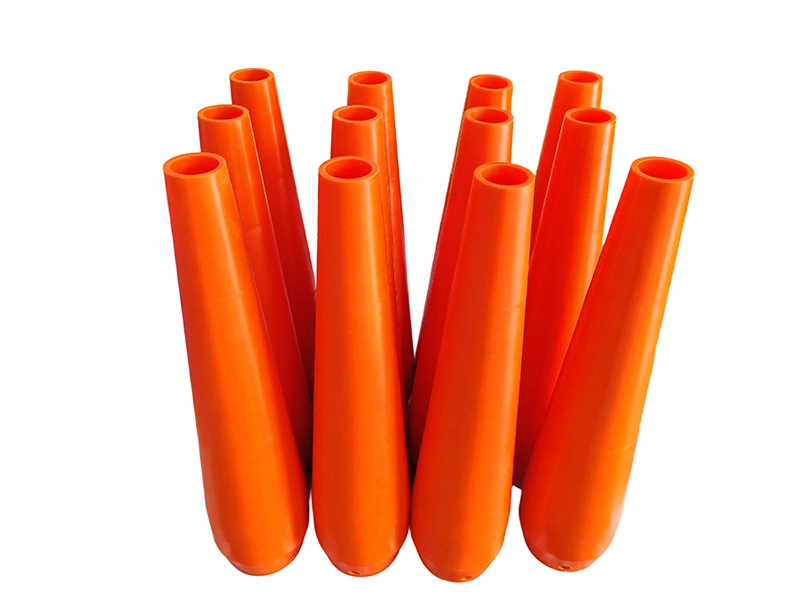
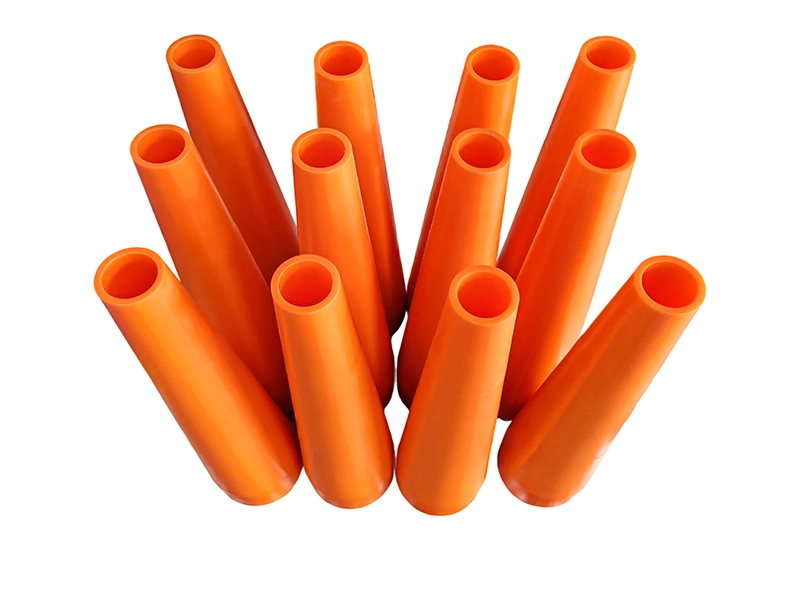
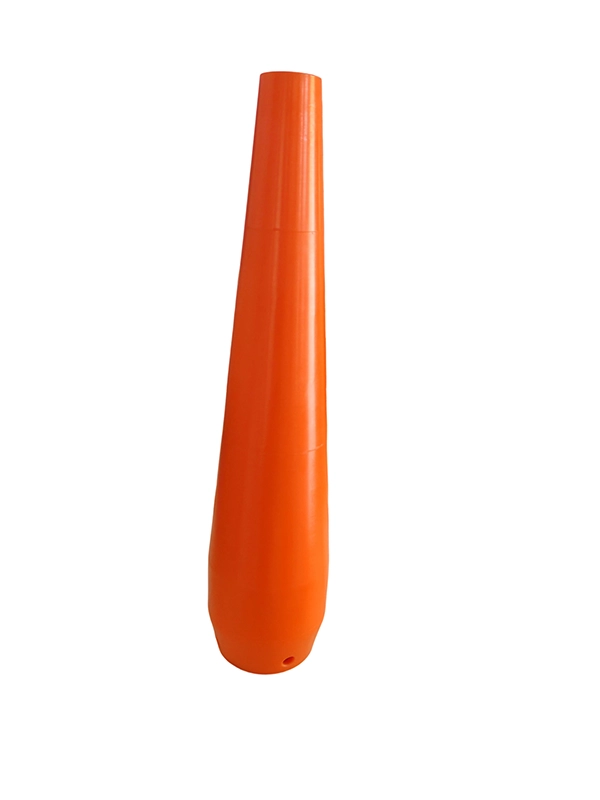
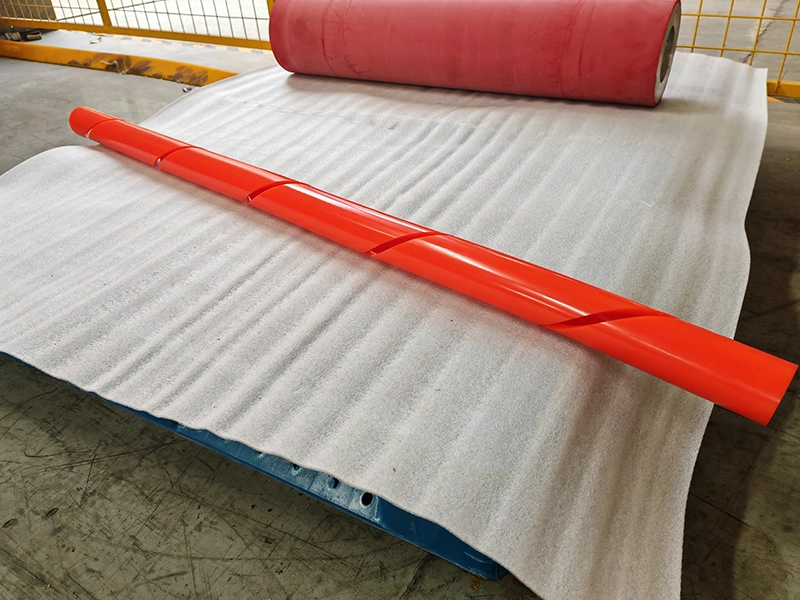
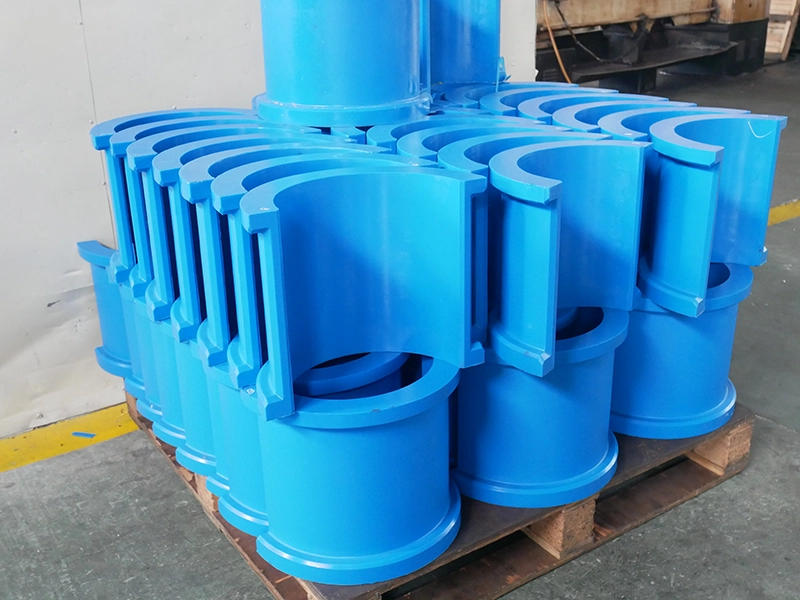
We manufacture custom cast polyurethane rope protectors for these contact locations. Formulation, hardness, wall thickness, split design, fastening, and reinforcement can be matched to offshore towing systems, underground mining hoists, cranes, and other industrial rope assemblies.
Custom Polyurethane Rope Protectors for OEM Equipment and Wire Rope Sizes
Every rope operates with different bending radii, loads, exposure, and installation constraints. Select geometry, hardness, and attachment design from the full duty rather than rope diameter alone.
Custom Parameter
Engineering Range
Typical Applications
Hardness
Selected from service conditions
Offshore towing ropes
Rope Diameter
Custom to measured rope and fit requirements
Marine winches
Length
Custom to protected contact length
Crane systems
Wall Thickness
Selected from load, movement, and clearance
Mining hoists
Split Design
Yes
Existing rope retrofit
One-piece Sleeve
Yes
OEM rope assembly
Color
Yellow, Orange, Red, Black
Equipment identification
Embedded Reinforcement
Optional
Heavy impact areas
Logo & Part Number
Laser / Molded
OEM branding
Polyurethane Rope Protectors for Offshore, Mining, Crane and Marine Applications
The working environment determines protector performance more than hardness alone. Abrasion pattern, rope movement frequency, impact energy, and environmental exposure should all be evaluated before selecting polyurethane formulations.
– Marine port mooring rope protection against saltwater corrosion and quay wall friction
– Construction crane wire rope guard for repeated lifting tension and impact loads
– Mining underground cable protection against rock friction and low-temperature aging
– Offshore wind and outdoor cable systems with project-specific UV and weathering requirements
– Logistics heavy lifting equipment rope protection for long-duration static load working
Common Failure Modes of Polyurethane Rope Protectors and How We Prevent Them
Protector failure can involve material selection, local geometry, fit, fastening, contamination, load, or installation. Identifying the dominant failure mode helps engineers revise the design without relying on hardness alone.
Rope Protection Application Examples and Validation Methods
Validate rope protectors with documented installation data, inspection intervals, photographs, dimensional checks, and rope-condition records. Laboratory data can support selection but should be interpreted with the actual contact and environment.
Application Example 1 – Offshore Towing Rope
Problem
Existing towing ropes showed concentrated wear where they contacted a fairlead.
Engineering Review
Redesigned split polyurethane protector
Increased wall thickness
Hardness selected from contact pressure, bending, and wear observations
Validation Plan
Inspect the rope and protector at defined intervals, compare wear location and depth, and set the maintenance interval from recorded condition.
Application Example 2 – Underground Mining Hoist
Problem
Existing protectors showed cracking after repeated impact and bending.
Engineering Review
Review a custom cast polyurethane grade, wall thickness, edge radii, fit, and fastening method.
Validation Plan
Confirm the inspection interval only after a representative installation has been monitored under actual duty.
How to Select Polyurethane Rope Protectors for Heavy Industrial Equipment
Correct selection begins with operating conditions rather than catalog dimensions. Rope diameter, construction, bending frequency, contact pressure, and environmental exposure together inform protector geometry and polyurethane formulation.
Step 1 — Measure Rope Diameter
Measure rope diameter and construction, then allow for fit, movement, installation, and manufacturing tolerance.
Dynamic bending: prioritize flexibility, fit, and fatigue behavior
Heavy abrasion: balance wear resistance with bending and impact requirements
Step 5 — Confirm Installation
Choose:
Split design
One-piece molded sleeve
How should cast polyurethane, TPU, and rubber be compared for rope protection?
Compare specific grades for tear behavior, abrasion, compression set, cut growth, bending, temperature, chemical exposure, manufacturing method, and installation. Material names alone do not determine performance; test representative protectors at the actual contact point and load.
How should polyether- and polyester-based polyurethane be selected for marine service?
Polyether-based polyurethane is often considered for wet or humid service, while polyester-based grades may suit other wear or fluid conditions. Confirm the exact formulation against seawater, temperature, microbes, oils, cleaning agents, load, and exposure duration before approval.
How is compatibility checked with Dyneema, polyester, nylon, or other synthetic ropes?
Confirm the polyurethane formulation and additives with the rope manufacturer, then test contact, pressure, temperature, water, oils, cleaners, and exposure time on representative rope material. Marking, swelling, softening, and strength retention should be evaluated for the actual combination.
Are split rope protectors better than one-piece sleeves
Split designs allow installation without removing the rope, making them ideal for maintenance and retrofit projects. One-piece sleeves are generally preferred for new rope assemblies requiring continuous protection.
Do polyurethane rope protectors resist seawater, oil and UV?
A suitable formulation may be specified for seawater, oils, grease, or outdoor service, but resistance varies by grade and exposure. Define the fluids, concentration, temperature, duration, cleaning method, and UV requirement, then verify the selected material with supplier data and representative testing.
How long do polyurethane rope protectors last?
Service life depends on rope movement, contact geometry, load, abrasion, impact, environment, installation, and inspection criteria. Establish the replacement interval from documented trials and periodic condition checks rather than a universal lifespan or material comparison.
Can polyurethane rope protectors be custom manufactured?
Yes. OEM manufacturers typically customize rope diameter, sleeve length, wall thickness, split design, hardness, color, identification markings, and installation method according to customer drawings or samples.