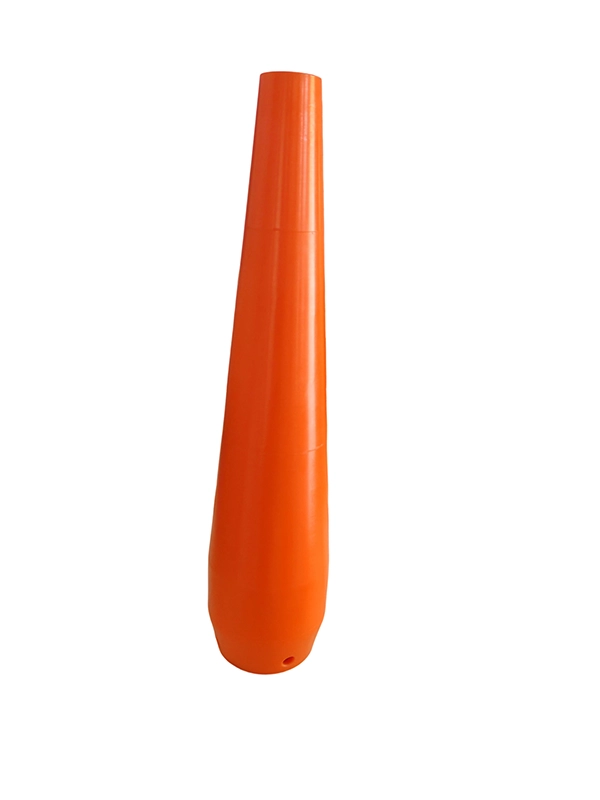
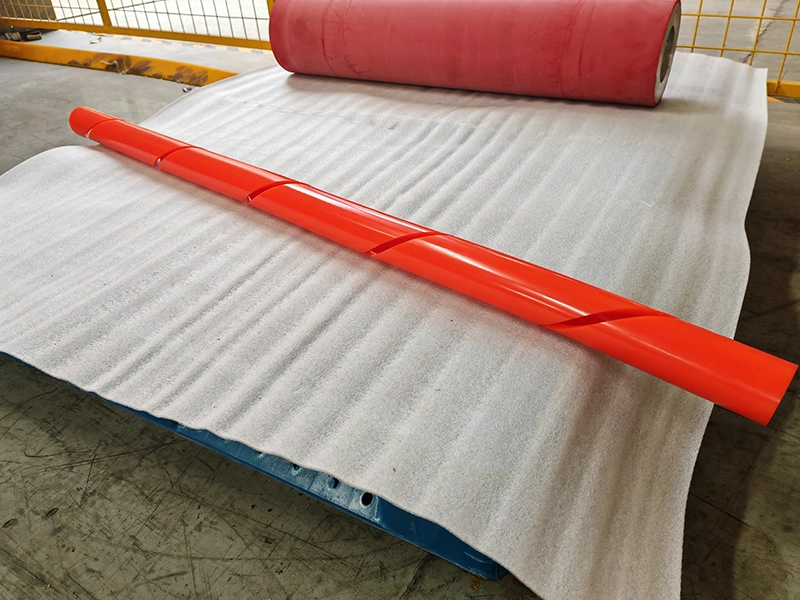
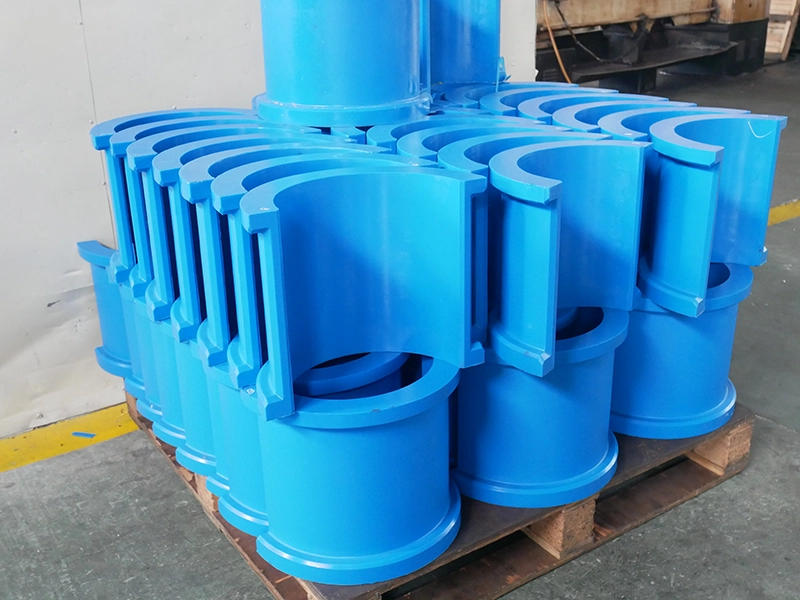
Industrial rope and cable systems can experience abrasion, impact, bending, weathering, and local contact pressure at sheaves, fairleads, rollers, and edges. A rope protector should be specified from the rope construction, load, movement, contact geometry, environment, and inspection plan.
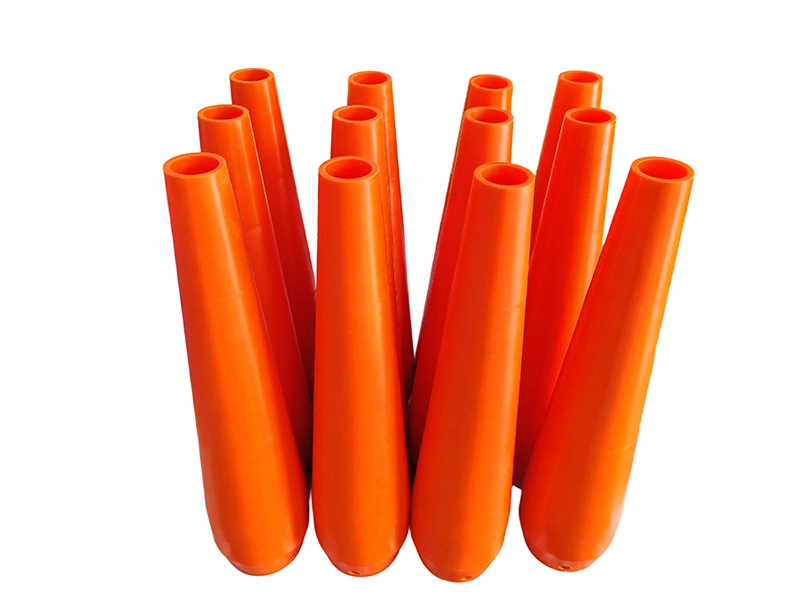
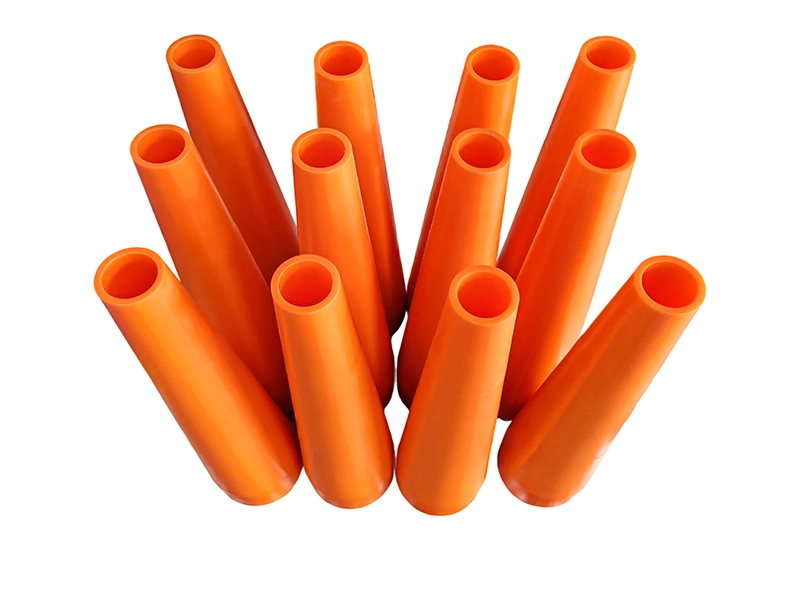
당사는 맞춤형 제품을 제조합니다 주조 폴리우레탄 로프 보호대 for these contact locations. Formulation, hardness, wall thickness, split design, fastening, and reinforcement can be matched to offshore towing systems, underground 광업 hoists, cranes, and other industrial rope assemblies.
OEM 장비 및 다양한 와이어 로프 규격에 맞는 맞춤형 폴리우레탄 로프 보호대
Every rope operates with different bending radii, loads, exposure, and installation constraints. Select geometry, hardness, and attachment design from the full duty rather than rope diameter alone.
맞춤 항목
엔지니어링 제품군
적용 예시
경도 등급
Selected from service conditions
해상 예인 로프
로프 직경
Custom to measured rope and fit requirements
해군용 윈치
길이
Custom to protected contact length
크레인 시스템
벽 두께
Selected from load, movement, and clearance
광산용 승강기
분할 디자인
네
기존 로프 개조
원피스 소매
네
OEM 로프 어셈블리
색상
노란색, 주황색, 빨간색, 검은색
장비 식별
내장 보강재
선택 사항
충격이 심한 구역
로고 및 부품 번호
레이저 / 성형
OEM 브랜딩
해양, 광산, 크레인 및 선박 용도로 사용되는 폴리우레탄 로프 보호대
작업 환경은 경도 그 자체보다 보호 장치의 성능에 더 큰 영향을 미칩니다. 마모 양상, 로프 이동 빈도, 충격 에너지 및 환경적 노출 요인을 모두 평가한 후 폴리우레탄 배합 선정.
– 해수 부식 및 부두 벽면 마찰로부터 해양 항만 계류 로프를 보호
– 반복적인 인양 인장 하중 및 충격 하중을 견디는 건설용 크레인 와이어 로프 보호 장치
– 광산 지하 케이블의 암석 마찰 및 저온 노화로부터의 보호
– Offshore wind and outdoor cable systems with project-specific UV and weathering requirements
– 장시간 정적 하중 작업 시 물류용 중량물 운반 장비의 로프 보호
폴리우레탄 로프 프로텍터의 일반적인 고장 유형과 이를 방지하는 방법
Protector failure can involve material selection, local geometry, fit, fastening, contamination, load, or installation. Identifying the dominant failure mode helps engineers revise the design without relying on hardness alone.
Rope Protection Application Examples and Validation Methods
Validate rope protectors with documented installation data, inspection intervals, photographs, dimensional checks, and rope-condition records. Laboratory data can support selection but should be interpreted with the actual contact and environment.
Application Example 1 – Offshore Towing Rope
문제
Existing towing ropes showed concentrated wear where they contacted a fairlead.
Engineering Review
재설계된 분할형 폴리우레탄 보호대
벽 두께 증가
Hardness selected from contact pressure, bending, and wear observations
Validation Plan
Inspect the rope and protector at defined intervals, compare wear location and depth, and set the maintenance interval from recorded condition.
Application Example 2 – Underground Mining Hoist
문제
Existing protectors showed cracking after repeated impact and bending.
Engineering Review
Review a custom 주조 폴리우레탄 grade, wall thickness, edge radii, fit, and fastening method.
Validation Plan
Confirm the inspection interval only after a representative installation has been monitored under actual duty.
중공업용 폴리우레탄 로프 보호대 선택 방법
Correct selection begins with operating conditions rather than catalog dimensions. Rope diameter, construction, bending frequency, contact pressure, and environmental exposure together inform protector geometry and polyurethane formulation.
1단계 — 로프 지름 측정하기
Measure rope diameter and construction, then allow for fit, movement, installation, and manufacturing tolerance.
Dynamic bending: prioritize flexibility, fit, and fatigue behavior
Heavy abrasion: balance wear resistance with bending and impact requirements
5단계 — 설치 확인
다음 중 하나를 선택하세요:
분할형 디자인
일체형 성형 슬리브
How should cast polyurethane, TPU, and rubber be compared for rope protection?
Compare specific grades for tear behavior, abrasion, compression set, cut growth, bending, temperature, chemical exposure, manufacturing method, and installation. Material names alone do not determine performance; test representative protectors at the actual contact point and load.
How should polyether- and polyester-based polyurethane be selected for marine service?
Polyether-based polyurethane is often considered for wet or humid service, while polyester-based grades may suit other wear or fluid conditions. Confirm the exact formulation against seawater, temperature, microbes, oils, cleaning agents, load, and exposure duration before approval.
How is compatibility checked with Dyneema, polyester, nylon, or other synthetic ropes?
Confirm the polyurethane formulation and additives with the rope manufacturer, then test contact, pressure, temperature, water, oils, cleaners, and exposure time on representative rope material. Marking, swelling, softening, and strength retention should be evaluated for the actual combination.
분리형 로프 보호대가 일체형 슬리브보다 더 나을까요?
분리형 설계는 로프를 제거하지 않고도 설치할 수 있어, 유지보수 및 개조 공사에 이상적입니다. 지속적인 보호가 필요한 신규 로프 조립체의 경우 일반적으로 일체형 슬리브가 선호됩니다.
폴리우레탄 로프 보호대는 바닷물, 기름, 자외선에 내성이 있나요?
A suitable formulation may be specified for seawater, oils, grease, or outdoor service, but resistance varies by grade and exposure. Define the fluids, concentration, temperature, duration, cleaning method, and UV requirement, then verify the selected material with supplier data and representative testing.
폴리우레탄 로프 보호대의 수명은 얼마나 되나요?
Service life depends on rope movement, contact geometry, load, abrasion, impact, environment, installation, and inspection criteria. Establish the replacement interval from documented trials and periodic condition checks rather than a universal lifespan or material comparison.
폴리우레탄 로프 보호대는 맞춤형으로 제작할 수 있나요?
네. OEM 제조업체는 일반적으로 고객의 도면이나 샘플에 따라 로프 직경, 슬리브 길이, 벽 두께, 분할 구조, 경도, 색상, 식별 표시 및 설치 방법을 맞춤 제작합니다.