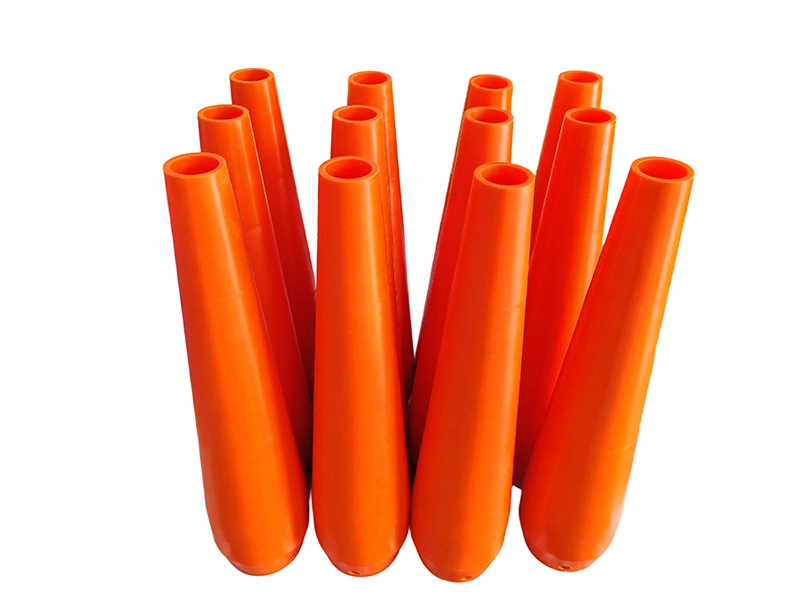
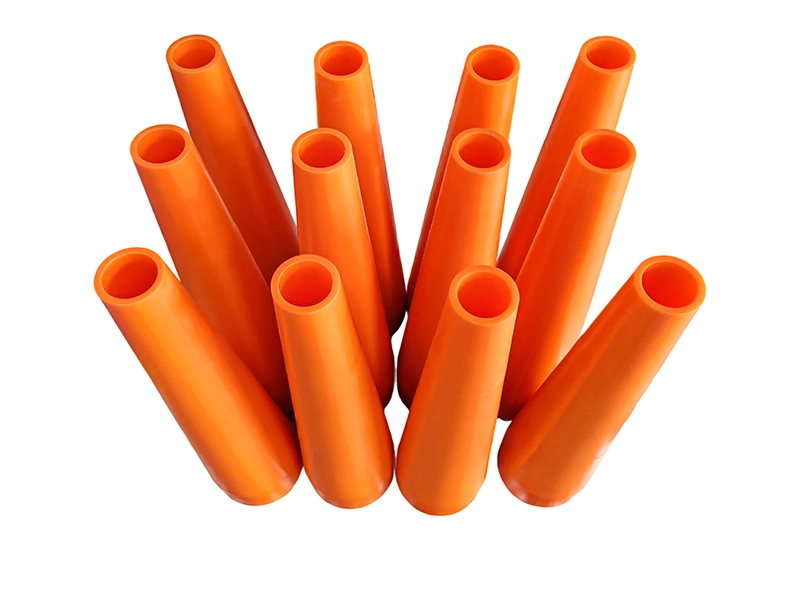
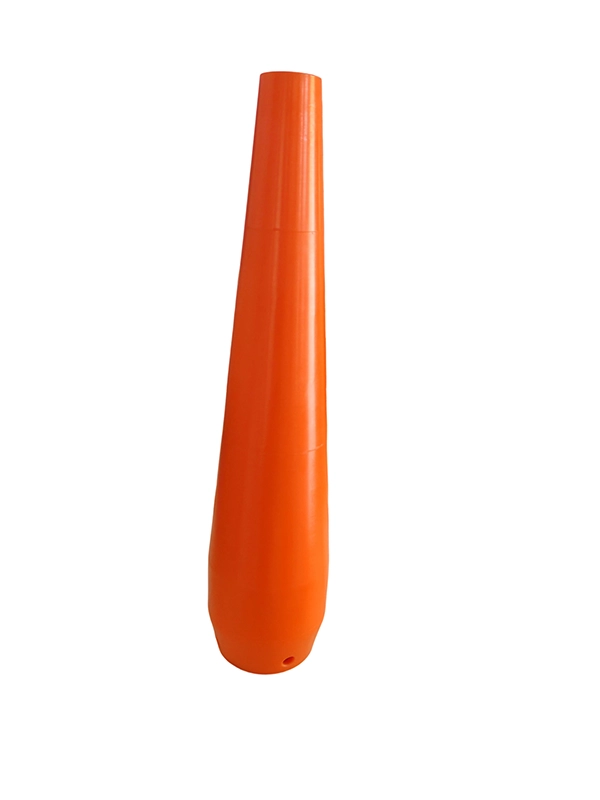
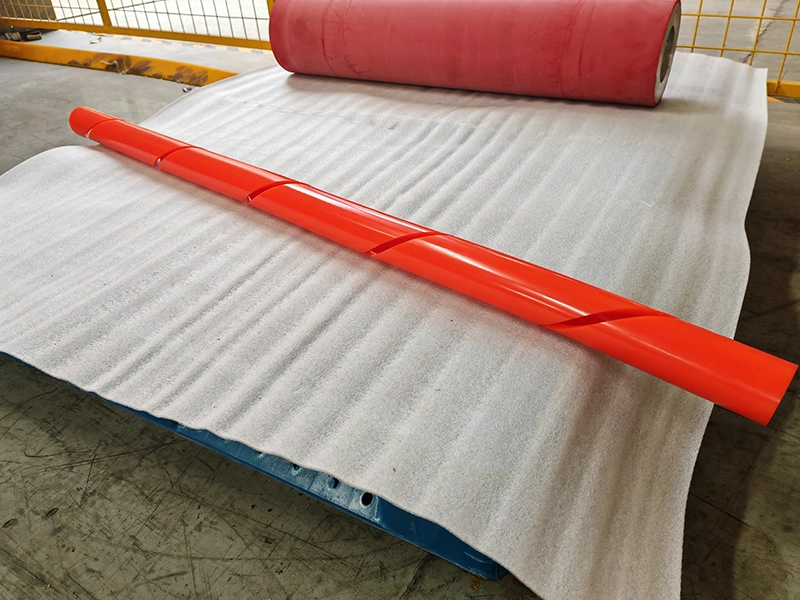
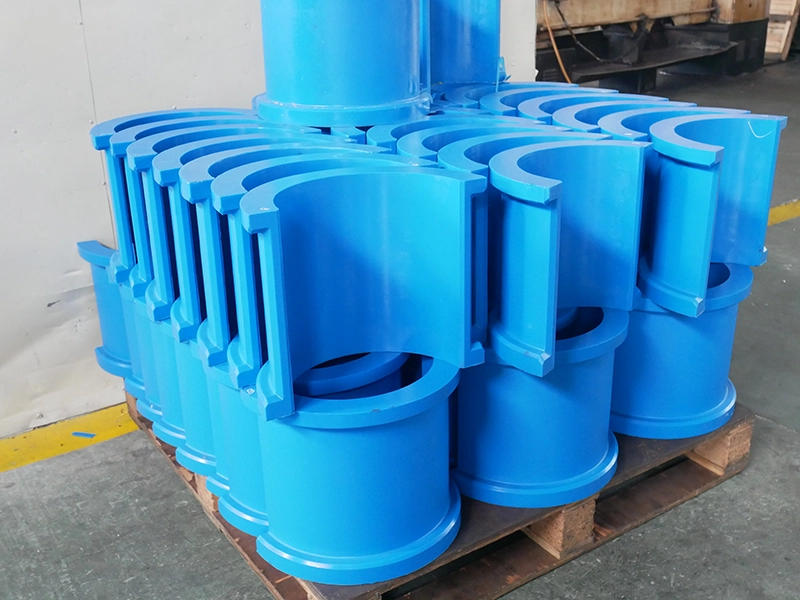
Protectores de cuerda de poliuretano para plataformas marinas y minería.
Protectores de cuerda de poliuretano fundido a medida para sistemas de cables de grúas, aplicaciones marinas, plataformas petrolíferas y minería.
- Elastómero moldeado formulado: Diseñado para proteger las cuerdas y eslingas del contacto con los bordes cuando se instala e inspecciona correctamente.
- Resistencia al desgarro adaptada a la aplicación Permite el contacto repetido una vez validadas la formulación y la geometría.
- Las dimensiones personalizadas permiten un ajuste, instalación e inspección controlados para el conjunto de cuerda especificado.
- El espesor de la pared y la construcción pueden seleccionarse en función del impacto, la flexión, el espacio libre y la temperatura de funcionamiento previstos.
- Servicio a bajas temperaturas: Especifique la temperatura requerida y verifique la flexibilidad y el comportamiento ante impactos de la formulación seleccionada.
Sectores a los que prestamos servicio: Offshore, minería, grúas, sector marítimo
Los sistemas industriales de cables y cuerdas pueden sufrir abrasión, impacto, flexión, deterioro por la intemperie y presión de contacto localizada en poleas, guías, rodillos y bordes. Se debe especificar un protector de cuerda en función de la construcción de la cuerda, la carga, el movimiento, la geometría de contacto, el entorno y el plan de inspección.
Fabricamos productos a medida protectores de cable de poliuretano moldeado para estos puntos de contacto. La formulación, la dureza, el espesor de la pared, el diseño dividido, la fijación y el refuerzo se pueden adaptar a los sistemas de remolque en alta mar, subterráneos. minería polipastos, grúas y otros conjuntos de cables industriales.
Protectores de cable de poliuretano a medida para equipos OEM y cables metálicos de distintos diámetros
Cada cuerda funciona con diferentes radios de curvatura, cargas, exposición y limitaciones de instalación. Seleccione la geometría, la dureza y el diseño de fijación en función de su vida útil total, en lugar de basarse únicamente en el diámetro de la cuerda.
Parámetro personalizado
Gama de ingeniería
Aplicaciones orientativas
Categoría de dureza
Seleccionado de las condiciones del servicio
Cables de remolque marítimos
Diámetro de la cuerda
Cuerda hecha a medida según las especificaciones y requisitos de ajuste.
Cabrestantes marinos
Longitud
Adaptado a la longitud de contacto protegida
Sistemas de grúas
Espesor de la pared
Seleccionado en función de la carga, el movimiento y el espacio libre.
Elevadores mineros
Diseño dividido
Sí
Adaptación de cuerdas existentes
Manga de una sola pieza
Sí
Conjunto de cuerdas OEM
Color
Amarillo, naranja, rojo, negro
Identificación del equipo
Armadura integrada
Opcional
Zonas de gran impacto
Logotipo y número de referencia
Láser / Moldeado
Marca del fabricante de equipos originales (OEM)
Protectores de cable de poliuretano para aplicaciones en alta mar, minería, grúas y náuticas
El entorno de trabajo influye más en el rendimiento de los protectores que la dureza por sí sola. Antes de tomar una decisión, deben evaluarse el patrón de abrasión, la frecuencia de movimiento de la cuerda, la energía de impacto y la exposición ambiental. selección de formulaciones de poliuretano.
– Protección de las amarras portuarias contra la corrosión provocada por el agua salada y la fricción con el muro del muelle
– Protector de cable metálico para grúas de obra, diseñado para soportar tensiones de elevación repetidas y cargas de impacto
– Protección de los cables subterráneos en la minería frente a la fricción con la roca y el envejecimiento a bajas temperaturas
– Sistemas de energía eólica marina y cableado exterior con requisitos específicos de resistencia a los rayos UV y a la intemperie.
– Protección de cables para equipos de elevación de gran tonelaje en el sector logístico, destinados a trabajos con cargas estáticas de larga duración
Modos de fallo habituales de los protectores de cable de poliuretano y cómo los prevenimos
El fallo del protector puede deberse a la selección del material, la geometría local, el ajuste, la fijación, la contaminación, la carga o la instalación. Identificar el modo de fallo predominante ayuda a los ingenieros a revisar el diseño sin depender únicamente de la dureza.
Ejemplos de aplicación y métodos de validación para sistemas de protección con cuerdas
Valide los protectores de cuerda con datos de instalación documentados, intervalos de inspección, fotografías, comprobaciones dimensionales y registros del estado de la cuerda. Los datos de laboratorio pueden servir de base para la selección, pero deben interpretarse teniendo en cuenta el contacto real y el entorno.
Ejemplo de aplicación 1: Cuerda de remolque en alta mar
Problema
Los cables de remolque existentes presentaban un desgaste concentrado en los puntos de contacto con la guía.
Revista de Ingeniería
Protector de poliuretano dividido rediseñado
Aumento del espesor de la pared
La dureza se determinó a partir de la presión de contacto, la flexión y las observaciones de desgaste.
Plan de validación
Inspeccione la cuerda y el protector a intervalos definidos, compare la ubicación y la profundidad del desgaste y establezca el intervalo de mantenimiento a partir del estado registrado.
Ejemplo de aplicación 2 – Cabrestante para minería subterránea
Problema
Los protectores existentes mostraron grietas tras repetidos impactos y flexiones.
Revista de Ingeniería
Revisar un personalizado poliuretano colado grado, espesor de pared, radios de borde, ajuste y método de fijación.
Plan de validación
Confirme el intervalo de inspección únicamente después de que se haya supervisado una instalación representativa en condiciones de funcionamiento reales.
Cómo elegir protectores de cable de poliuretano para maquinaria industrial pesada
La selección correcta comienza con las condiciones de funcionamiento, más que con las dimensiones del catálogo. El diámetro de la cuerda, su construcción, la frecuencia de flexión, la presión de contacto y la exposición ambiental influyen en la geometría del protector y la formulación del poliuretano.
Paso 1 — Medir el diámetro de la cuerda
Mida el diámetro y la construcción de la cuerda, y luego tenga en cuenta el ajuste, el movimiento, la instalación y las tolerancias de fabricación.
Flexión dinámica: priorizar la flexibilidad, el ajuste y el comportamiento ante la fatiga.
Abrasión intensa: equilibrar la resistencia al desgaste con los requisitos de flexión e impacto.
Paso 5 — Confirmar la instalación
Elige:
Diseño dividido
Manguito moldeado de una sola pieza
¿Cómo se deben comparar el poliuretano fundido, el TPU y el caucho para la protección de cuerdas?
Compare las características específicas de los protectores en cuanto a comportamiento ante el desgarro, la abrasión, la deformación permanente por compresión, el crecimiento de cortes, la flexión, la temperatura, la exposición química, el método de fabricación y la instalación. El nombre del material por sí solo no determina su rendimiento; pruebe protectores representativos en el punto de contacto y la carga reales.
¿Cómo se deben seleccionar los poliuretanos a base de poliéter y poliéster para su uso en aplicaciones marinas?
El poliuretano a base de poliéter se suele considerar para aplicaciones en ambientes húmedos, mientras que los poliuretanos a base de poliéster pueden ser adecuados para otras condiciones de desgaste o exposición a fluidos. Antes de su aprobación, verifique la formulación exacta frente al agua de mar, la temperatura, los microbios, los aceites, los agentes de limpieza, la carga y la duración de la exposición.
¿Cómo se comprueba la compatibilidad con cuerdas de Dyneema, poliéster, nailon u otras fibras sintéticas?
Confirme la formulación del poliuretano y los aditivos con el fabricante de la cuerda y, a continuación, realice pruebas de contacto, presión, temperatura, resistencia al agua, aceites y limpiadores, así como pruebas de tiempo de exposición en una muestra representativa de la cuerda. Evalúe el marcado, la hinchazón, el ablandamiento y la retención de la resistencia para la combinación específica.
¿Son mejores los protectores de cuerda divididos que los manguitos de una sola pieza?
Los diseños divididos permiten su instalación sin necesidad de retirar el cable, lo que los hace ideales para proyectos de mantenimiento y modernización. Por lo general, se prefieren los manguitos de una sola pieza para los nuevos conjuntos de cables que requieren una protección continua.
¿Los protectores de cuerda de poliuretano son resistentes al agua de mar, al aceite y a los rayos UV?
Se puede especificar una formulación adecuada para agua de mar, aceites, grasas o uso en exteriores, pero la resistencia varía según el grado y la exposición. Defina los fluidos, la concentración, la temperatura, la duración, el método de limpieza y el requisito de protección UV, y luego verifique el material seleccionado con los datos del proveedor y las pruebas representativas.
¿Cuánto duran los protectores de cuerda de poliuretano?
La vida útil depende del movimiento de la cuerda, la geometría de contacto, la carga, la abrasión, los impactos, el entorno, la instalación y los criterios de inspección. El intervalo de reemplazo debe determinarse mediante pruebas documentadas y comprobaciones periódicas del estado de la cuerda, en lugar de basarse en una vida útil universal o en la comparación de materiales.
¿Se pueden fabricar a medida los protectores de cuerda de poliuretano?
Sí. Los fabricantes OEM suelen personalizar el diámetro del cable, la longitud del manguito, el espesor de la pared, el diseño de la ranura, la dureza, el color, las marcas de identificación y el método de instalación de acuerdo con los planos o las muestras del cliente.