

Pepsen at the ABB Supplier Conference: Custom Polyurethane Dampers for Industrial Robots
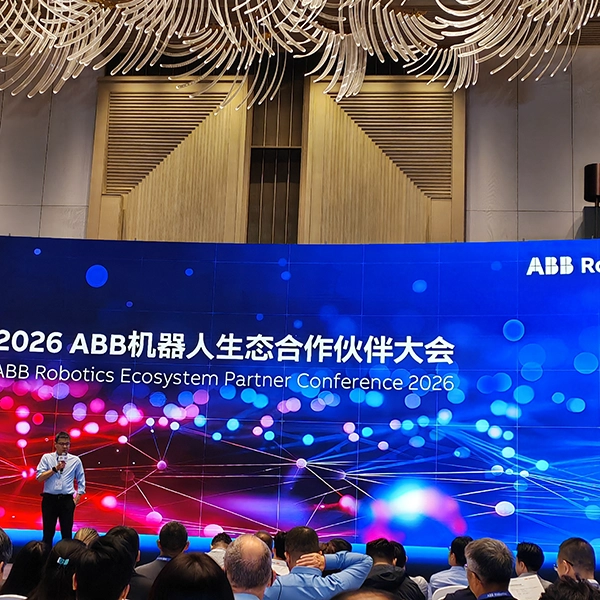
Shanghai Pepsen Polyurethane Co., Ltd. is an approved supplier to ABB. We recently took part in the ABB Supplier Conference, an opportunity to meet within the supplier network and exchange perspectives on industrial manufacturing and supplier development.
For Pepsen, this experience connects directly with our work: manufacturing custom cast polyurethane components for industrial equipment, including polyurethane protection dampers for industrial robots.
These components are made to customer drawings. Their dimensions, geometry and fit are determined by the equipment design and the intended installation position. They are small parts, but their function matters. At points where robot components or surrounding structures may come into contact, a properly designed protective block can help reduce direct impact and protect the equipment.
This article shares our experience as an ABB supplier and explains how we approach the manufacture of custom polyurethane protection components.
1. Participating in the ABB Supplier Conference
As an approved ABB supplier, Pepsen was pleased to participate in the ABB Supplier Conference.
For a manufacturing company, supplier events are more than an opportunity to meet other businesses. They provide a chance to understand the expectations placed on suppliers and to consider how manufacturing processes, product quality and cooperation can continue to improve.
In industrial supply chains, a component is rarely judged by its material alone. Its fit with the equipment, consistency between batches, suitability for the application and the supplier’s ability to respond to technical or quality issues all matter.
These considerations are relevant to the way we manufacture custom polyurethane products at Pepsen.
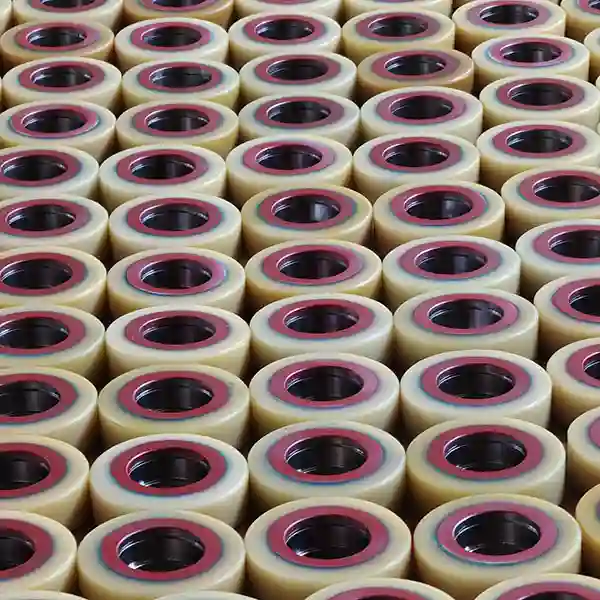
Our work is based on customer drawings, samples and application requirements. We produce polyurethane wheels, rollers and other custom-molded components for industrial equipment. Each design needs to be considered in the context of its actual function rather than treated as a standard part with a different size.
2. Custom Polyurethane Dampers for Industrial Robots
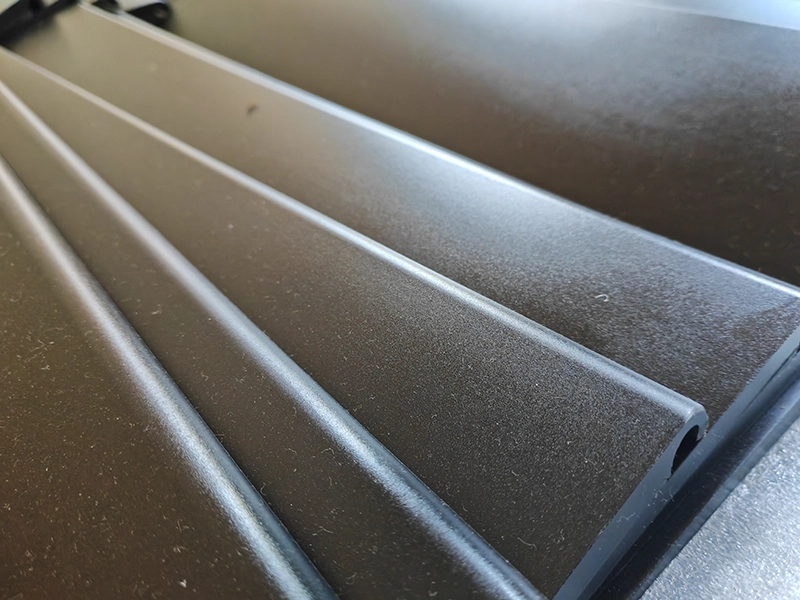
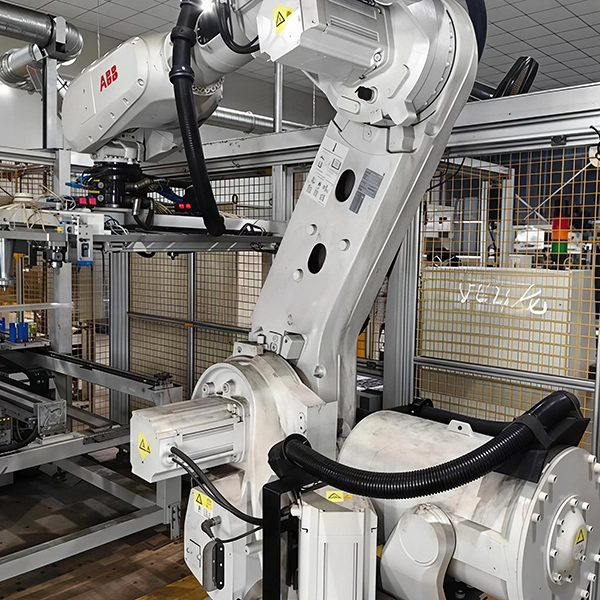
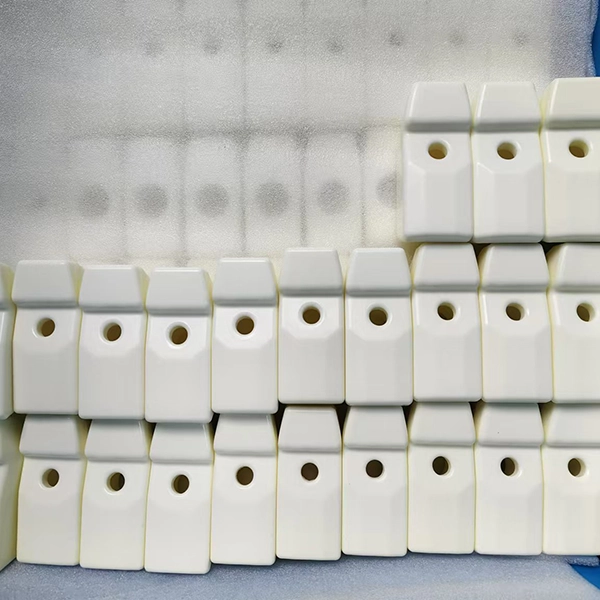
One of the products Pepsen supplies for industrial robotics applications is the custom polyurethane damper.
Unlike a standard off-the-shelf bumper, this component is manufactured according to the customer’s drawing. Its shape and dimensions need to match the designated position and surrounding mechanical structure.
The purpose of the block is to provide protection at potential contact or collision points. Depending on the equipment design, a polyurethane protective component can serve as a contact buffer between mechanical parts and help limit direct impact on the surrounding structure.
For this type of component, several details need attention:
- Geometry and dimensions: The block must follow the drawing and fit the designated installation position.
- Contact area: The shape and contact surface influence how the block meets the surrounding component.
- Material hardness: Hardness should be selected according to the intended protective function and operating conditions.
- Mounting arrangement: The component must fit the equipment’s fixing and assembly requirements.
- Working conditions: The expected contact, impact and operating environment should be considered during material and design review.
These details cannot be decided by looking at the product name alone. A polyurethane damper for one robot design may not be suitable for another.
That is why Pepsen manufactures these components to customer drawings instead of relying on a single standard specification.
3. Why Use Polyurethane for Industrial Protection Components?
Polyurethane elastomers are used in industrial equipment because their properties can be adjusted for different applications.
Depending on the formulation and hardness selected, cast polyurethane can combine elasticity, abrasion resistance, tear strength and resistance to repeated mechanical contact. This makes it useful for components that need to provide a protective contact surface while maintaining their shape and function in service.
However, polyurethane is not a single fixed material. Different formulations and hardness levels can produce different performance characteristics.
When selecting a material for a protective block, the relevant questions include:
- How does the component contact the surrounding structure?
- Is the contact occasional or repeated?
- What level of deformation is acceptable?
- Does the part need to resist abrasion as well as impact?
- What are the temperature and environmental conditions?
- Are there specific dimensional or assembly requirements?
The answers help determine which polyurethane system is appropriate.
Choosing a harder material is not automatically better, nor is a softer material always more protective. The material needs to suit the function of the component and the conditions in which it operates.
At Pepsen, we manufacture custom cast polyurethane products with different hardness, dimensions, colors and material options. You can learn more about our custom cast polyurethane parts.
4. From Customer Drawing to Finished Polyurethane Component
A custom polyurethane damper begins with understanding the drawing and the component’s intended use.
The manufacturing process involves more than producing the required external shape. The dimensions, mold design, material selection and finishing requirements all need to work together.
Our general approach includes the following stages.
From Customer Drawing to Finished Polyurethane Component
| Manufacturing stage | Key activities |
|---|---|
| Drawing Review | Review customer drawings, dimensions, geometry and installation requirements. |
| Requirement Confirmation | Understand the component’s application, contact position and working conditions. |
| Material Selection | Select a suitable polyurethane formulation and hardness based on application requirements. |
| Mold Development | Prepare the mold according to the component design. |
| Casting | Cast the polyurethane elastomer into the required shape. |
| Finishing & Inspection | Complete finishing operations and check the product against drawing requirements. |
For an overview of Pepsen’s product range and manufacturing options, visit our polyurethane products page.
5. Quality Control and Continuous Improvement in OEM Manufacturing
Supplying custom components to industrial equipment manufacturers requires attention to both the individual part and the process used to produce it.
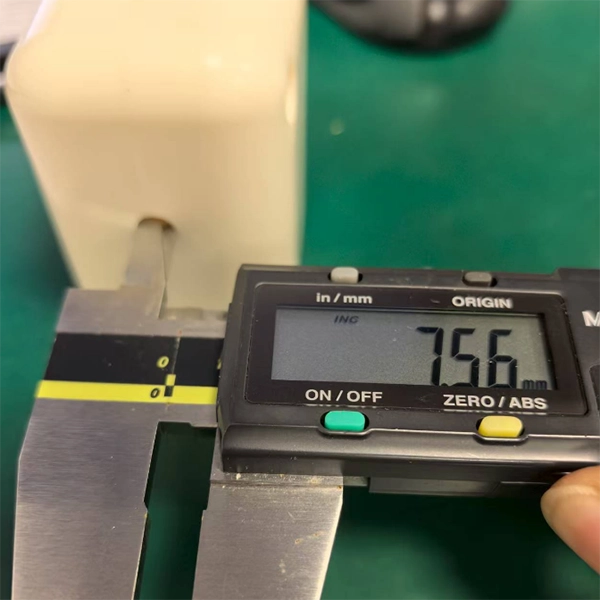
A component can have the correct material and appearance but still cause problems if a critical dimension, mounting feature or contact surface does not meet the drawing requirements.
For this reason, quality control should not be limited to a final visual inspection.
At Pepsen, our customer-service and quality-management procedures cover complaint registration, initial response, batch containment and traceability, investigation, corrective action and effectiveness verification.
When a product-quality issue is reported, the relevant information is reviewed so that the problem can be assessed and the appropriate actions determined. For cases requiring a structured 8D response, the investigation and corrective-action process provides a framework for identifying causes and preventing recurrence.
This is particularly important for custom components. A problem involving a small feature may affect the assembly or operation of a much larger piece of equipment.
We also recognize that manufacturing improvements need to be based on actual production and inspection findings. A proposed corrective action should not be treated as effective until the relevant verification has been completed.
6. Custom Polyurethane Components Beyond Dampers
Industrial robots are one example of equipment that uses specially designed polyurethane components. Across industrial machinery, polyurethane is also used in wheels, rollers, bumpers, bushings, wear parts and other custom-molded products.
Different applications place different demands on the material and component design.
For example:
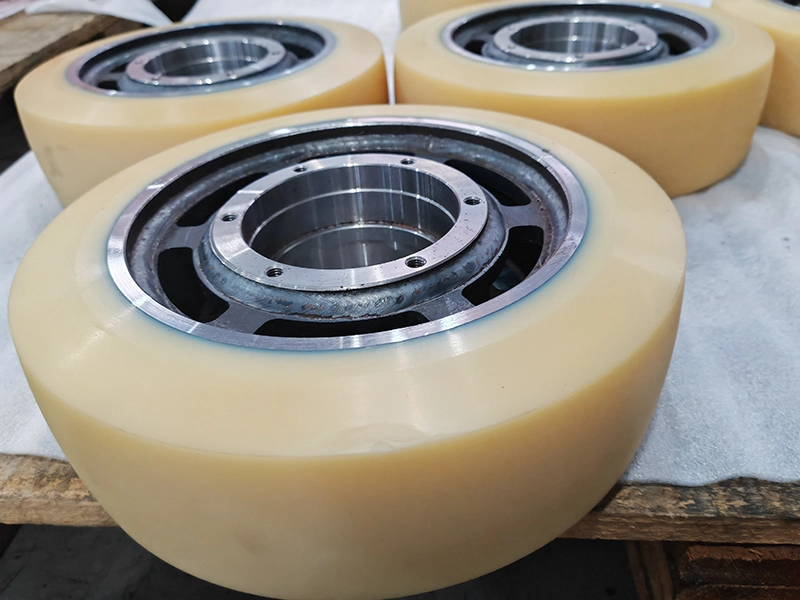
- Polyurethane wheels need to suit their load, rolling surface and operating conditions.
- Polyurethane rollers may require a specific diameter, profile, hardness and bonding arrangement.
- Protective blocks and bumpers need to match their contact function and mounting position.
- Custom molded parts may require particular dimensions, inserts or surface features to fit an existing assembly.
Pepsen manufactures these products according to drawings, samples and application requirements.
You can explore our custom polyurethane wheels and polyurethane rollers to see more examples of our product range.
7. Continuing to Improve as an Industrial Supplier
Taking part in the ABB Supplier Conference was a meaningful experience for Pepsen as an approved supplier.
It also reinforced an important point about industrial manufacturing: reliable supply depends on more than the ability to produce a component. It requires attention to product requirements, manufacturing processes, inspection, communication and improvement over time.
For custom polyurethane components, these responsibilities begin with understanding what the part needs to do.
A damper may be relatively small, but its geometry, material and fit are connected to the equipment around it. The same principle applies to polyurethane wheels, rollers and other engineered components.
At Pepsen, we will continue to develop our custom cast polyurethane manufacturing capabilities and work with industrial customers on components designed for their equipment and operating requirements.
Looking for a Custom Polyurethane Component Manufacturer?
If you are developing a polyurethane damper, bumper, wheel, roller or another custom industrial component, Pepsen can review your drawing, sample and application requirements.
To help us understand your project, please provide:
- A 2D drawing or 3D file
- Required dimensions and tolerances
- Material or hardness requirements, if specified
- Intended function and installation position
- Operating conditions and expected contact or loading conditions
- Estimated order quantity
Our team can review the information and discuss the manufacturing requirements with you.
Contact Pepsen to discuss your custom cast polyurethane project.