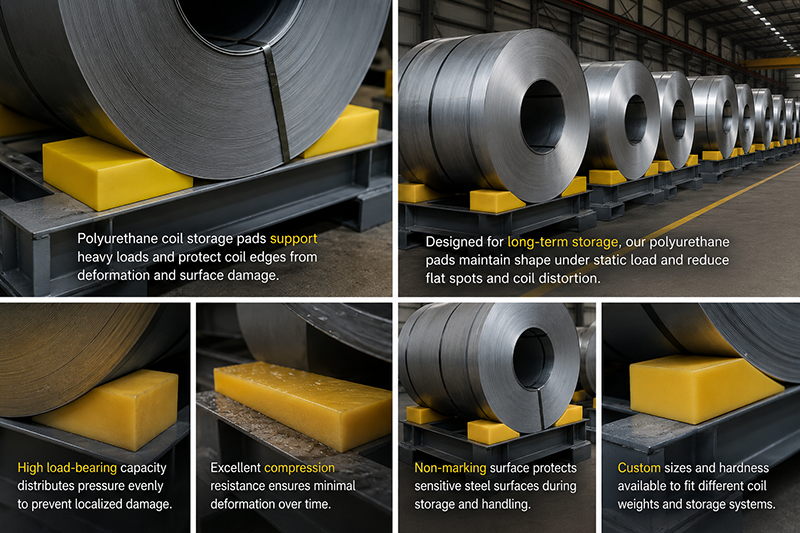
Steel coils may remain stationary under high contact loads for extended periods. Storage-pad selection should address compression, coil stability, surface marking, rack geometry, contaminants, environment, and inspection requirements before a support system is approved.
We manufacture cast polyurethane coil storage pads for steel handling applications. Hardness is only one design input; compression set, contact area, coil diameter, support geometry, temperature, fluids, surface finish, and allowable deformation should be reviewed together.
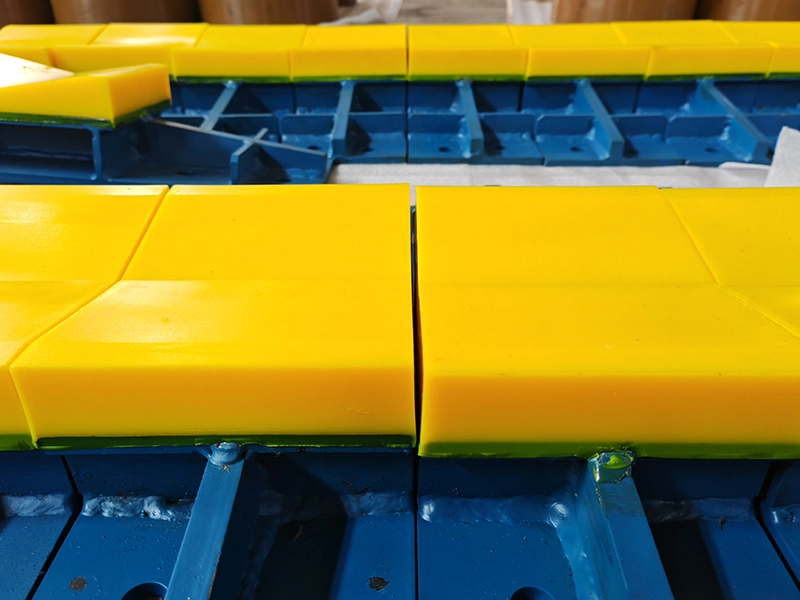
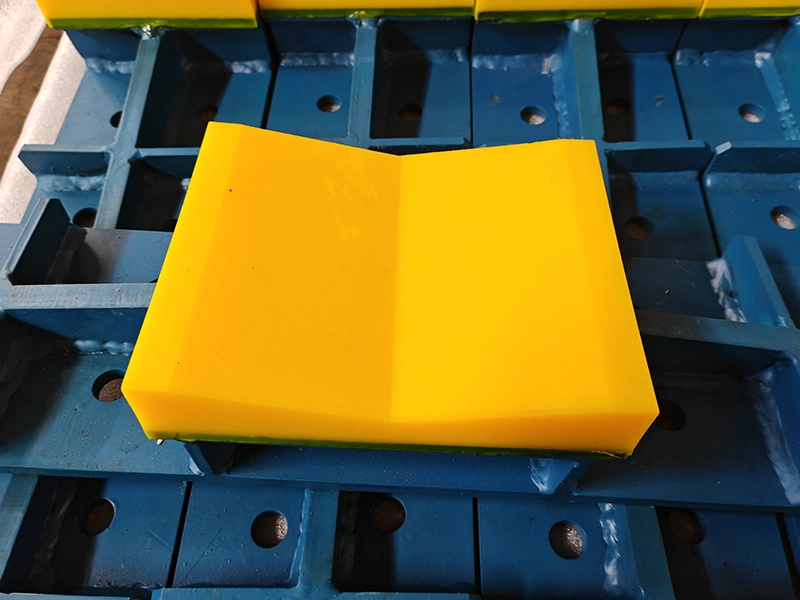
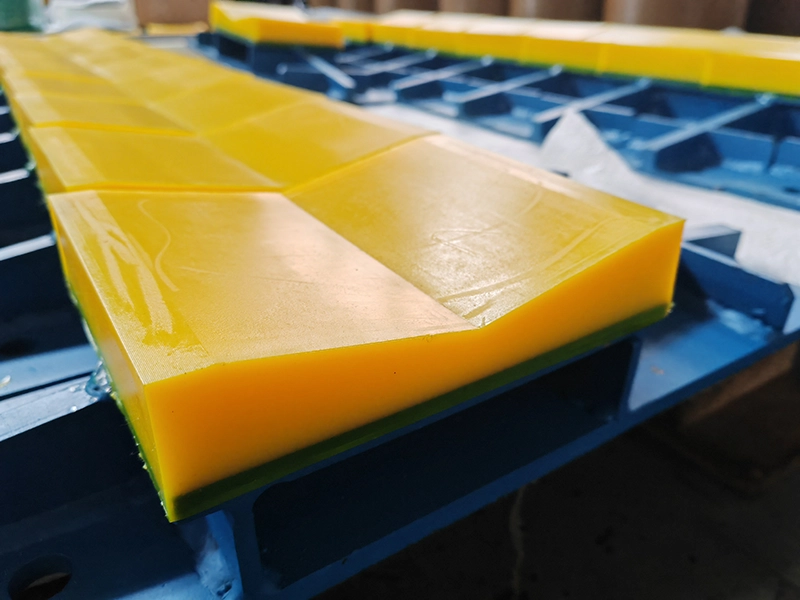
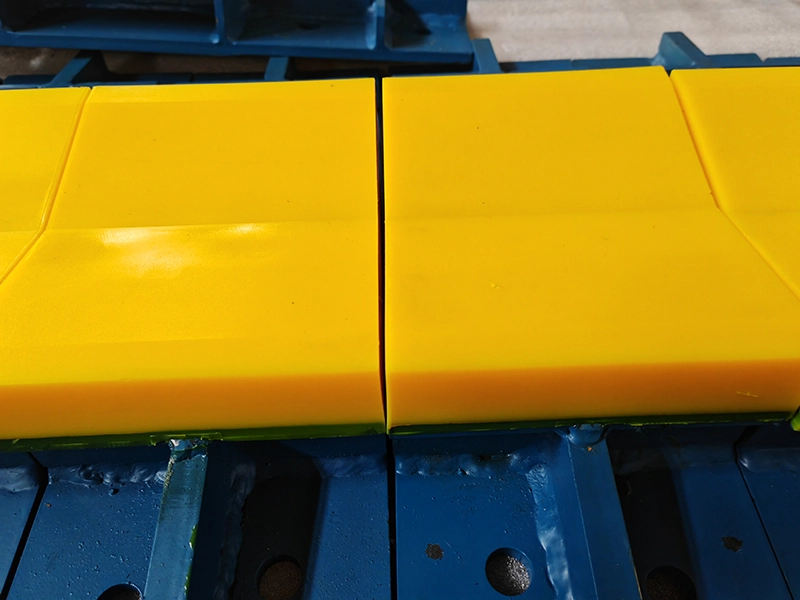
Custom Polyurethane Coil Pad & Saddle Molding Parameters For Steel Mill Yard OEM Orders
Hardness, core substrate, geometry, dimensions, color, and surface can be reviewed for hot- or cold-rolled coil racks. Tooling, sample timing, and production schedule are quoted from the drawing, quantity, material, and inspection requirements.
Customization Parameter
Available Engineering Range
Target Industry/Equipment Long-Tail Search Term
PU Formulation
Selected for the defined indoor or outdoor environment
Industrial Applications For Heavy-Duty Polyurethane Coil Storage Pads & Saddles
Molded PU coil supports can be considered for static rack systems in steel production, metal distribution, and aluminum processing after indoor or outdoor service conditions are defined.
– Hot rolled carbon steel coil storage rack bays at integrated steel mills
– Cold rolled stainless steel coil yards for automotive grade prime metal stock
– Aluminum extrusion coil storage racks at metal distribution service centers
– Outdoor open-air coil yards exposed to continuous sunlight and rain cycles
– Automated coil handling warehouse rack systems with fixed saddle positioning
– Galvanized steel coil storage to prevent white rust transfer contact abrasion
Technical Selection Factors for Polyurethane, Rubber, and Other Coil Supports
Compare candidate support materials with the same test methods and acceptance criteria. Relevant checks may include abrasion, tear behavior, compression set, UV exposure, chemical compatibility, marking, and retained geometry.
– Compare abrasion data for the selected polyurethane and alternative materials under the same method, load, wheel, and endpoint.
– For outdoor storage, specify UV and weathering acceptance criteria for color, cracking, hardness, and surface condition.
– Review tear behavior and edge geometry using data from the selected grades and representative contact conditions.
– Test non-marking and indentation risk on the actual polished, painted, galvanized, or stainless surface.
– Calculate load distribution through the pad and rack structure with the responsible rack or structural engineer.
– Evaluate one-piece or modular construction for retention, installation, replacement, and movement during handling.
Procurement and Quality Questions for Custom Polyurethane Coil Pads
Procurement should compare supplier capability, material records, tooling, sample approval, inspection, packing, delivery, and support against the project requirements.
– Request the specific management-system certificates, material records, and test reports required for the order.
– Confirm tooling ownership, drawing control, sample timing, and production lead time in the quotation.
– Confirm sample and production quantities from part size, tooling, material, and order requirements.
– Compare total landed cost, inspection, installation, service evidence, and replacement risk.
– Provide coil, rack, load, environment, and drawing data for design-for-manufacture review.
– Record warranty scope, exclusions, acceptance criteria, and claim process in the order.
– Agree the batch inspection and test report requirements before production.
Coil Storage Pad Application Examples and Validation Plans
The following application examples show what to document when existing coil supports crack, deform, move, or mark stored material. They are validation templates, not verified customer performance claims.
Application Example 1: Cold-Rolled Stainless Coil Storage
– Observed condition: Existing saddles show wear, movement, or marking on surface-critical coils.
– Engineering review: Record coil mass and diameter, contact area, rack geometry, saddle fit, surface finish, hardness, and material compatibility.
– Validation plan: Inspect coil surfaces, pad wear, deformation, movement, rack contact, and replacement triggers during a representative storage trial.
Application Example 2: Outdoor Hot-Rolled Coil Yard
– Validation plan: Define outdoor exposure, inspect color and cracking, measure pad deformation, and keep rack inspection intervals under the site engineering plan.
– Observed condition: Existing pads show weathering, cracking, movement, or loss of support geometry outdoors.
– Engineering review: Compare UV-stabilized formulations, support geometry, reinforcement, drainage, retention, and rack compatibility.
Polyurethane Coil Pad and Saddle Selection Guide for Steel Rack Engineers and Buyers
Use the following workflow to define a coil support for the actual load, rack, coil surface, environment, and validation requirements.
Step 1: Confirm maximum static coil load per saddle contact area
Calculate coil load per support, contact area, pressure distribution, dynamic handling factors, rack reactions, and allowable pad deformation.
– Indoor covered yards: compare candidate formulations for load, compression, fluids, temperature, and marking.
– Open-air yards: define UV and weathering acceptance criteria for water, drainage, temperature, color, cracking, and retained support geometry.
Step 3: Analyze Chemical Exposure and Residual Corrosion Control Lubricants
Identify anti-rust coatings, slitting oils, cleaners, water, and other chemicals. Compare candidate polyester-based polyurethane and polyether-based polyurethane grades using compatibility data and representative immersion or contact tests.
Step 4: Match Shore hardness to coil surface finish requirements
Step 4: Select coil contact geometry based on rack frame design
-Single flat rectangular pads for wide base coil racks; V-profile saddles for centered narrow coil positioning
How should polyester- and polyether-based polyurethane be compared for coil saddles?
Compare specific grades for compression set, tear behavior, abrasion, water exposure, temperature, oils, rust preventatives, cleaners, and marking risk. Neither chemistry is universally superior; review supplier data and test representative samples with the actual contact fluids and load.
How should polyurethane coil pads and hardwood blocks be compared for total cost?
Compare initial price, rack compatibility, coil stability, surface marking, debris, inspection, replacement interval, handling, disposal, and documented service results. Use site-specific records and a representative trial instead of assuming a fixed lifespan for either material.
How is load capacity determined for a polyurethane coil pad?
Calculate coil load per support, contact area, pressure distribution, rack reactions, coil diameter, dynamic handling factors, temperature, and allowable deformation. Select grade, hardness, geometry, and reinforcement together, then validate compression and stability with the responsible rack or structural engineer.
What compliance and quality documents are available for polyurethane coil pads?
Available documents depend on the selected formulation, supplier records, production route, destination market, and order. State the required management-system certificate, restricted-substance declaration, material record, inspection report, or test method before quotation and review it for the exact material supplied.
How is non-marking performance checked for surface-critical coils?
Request a clean, non-marking formulation and test it on the actual aluminum, stainless, painted, or coated surface under representative load, dwell time, movement, temperature, oils, and cleaners. Inspect for residue, color transfer, indentation, corrosion staining, and scratches before approval.
How is the V-groove angle selected for a coil storage saddle?
Select the angle and contact profile from coil diameter, mass, width, center height, rack geometry, support spacing, handling method, and lateral-restraint requirements. The responsible rack or structural engineer should verify load reactions, stability, and safety for the complete storage system.
What dimensional tolerances are available for custom coil pads?
Tolerance depends on part size, geometry, material, mold, inserts, machining, measurement method, and functional fit. Identify critical dimensions and datum references on the drawing so achievable tolerances and the inspection plan can be agreed before tooling.